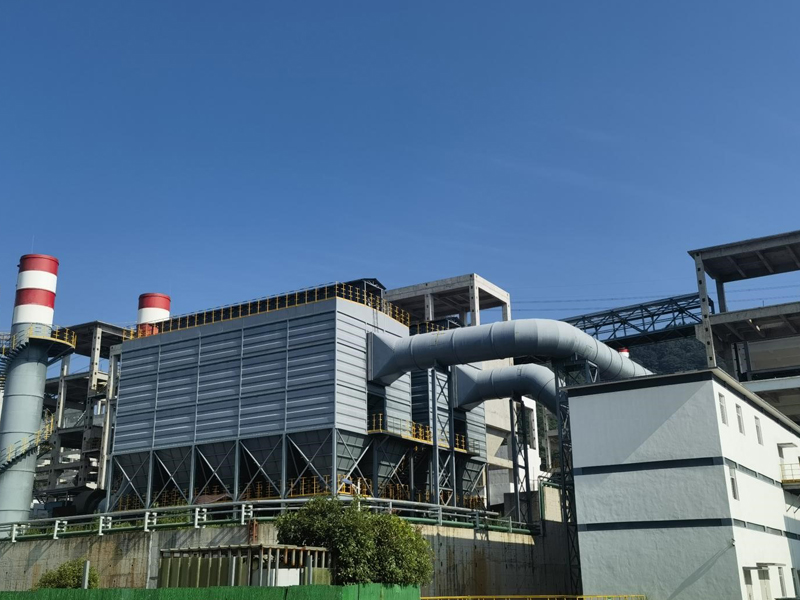
Understanding the Flue Gas Treatment Process: A Key to Environmental Compliance
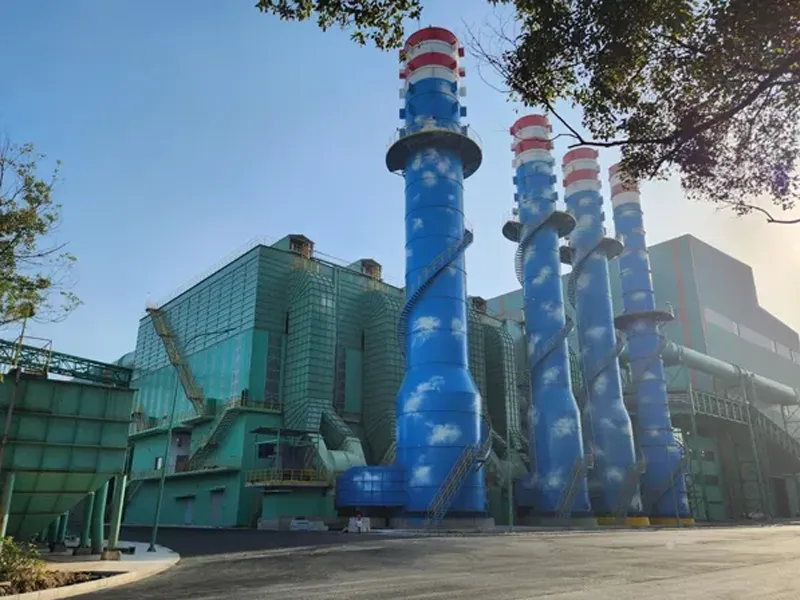
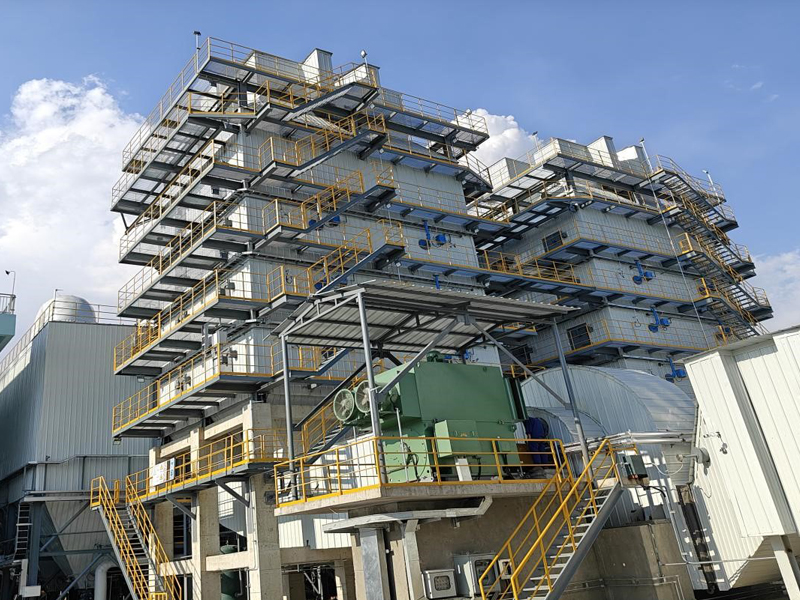
In today's eco-conscious world, effective flue gas treatment process has become essential for industrial operations. Tianshun specializes in providing comprehensive solutions that transform harmful emissions into clean air. Our advanced approach to the flue gas treatment process ensures that industries can meet stringent environmental standards while maintaining operational efficiency. Through continuous innovation and engineering excellence, we've developed systems that make the flue gas treatment process both reliable and cost-effective for businesses across various sectors.
The three types of flue gas treatment Process
There are many industries with large industrial plants which need flue gas treatment. Due to the different nature of these industries and other such specifics, it's important to pick the correct type of flue gas treatment. Changing times have brought about diversified and improved methods of treating flue gas. The following are the three main types of flue gas treatment, in which Tianshun equipment can be used.
WET PROCESS OF FLUE GAS TREATMENT
This process of treating flue gas is most often used in large industries because it has a higher cost of installation and creates residual water which again needs to be treated. It involves cooling down the temperature of the flue gas to below the dew point. Acid gases present condense and are then washed with either a suspension of milled limestone or a liquor of milk of lime.
DRY PROCESS OF FLUE GAS TREATMENT
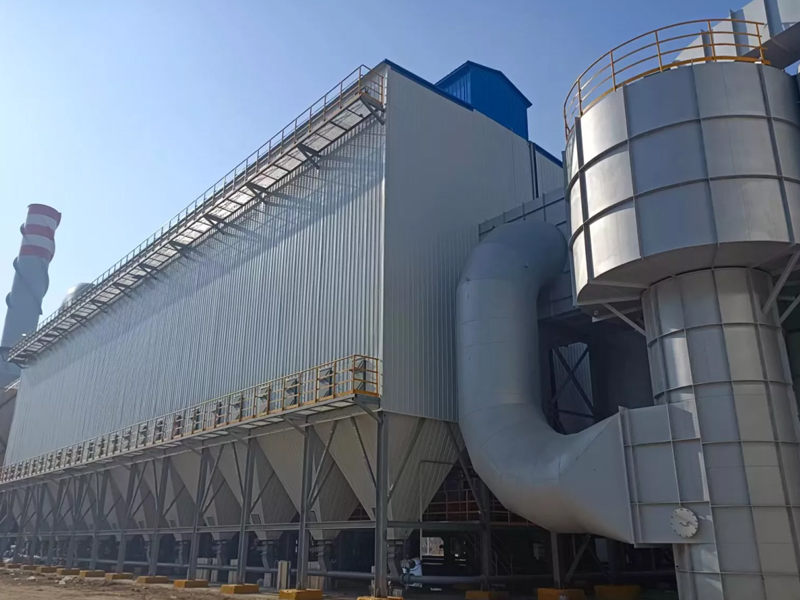
The dry process of treating flue gas makes use of hydrated lime which is injected as a dry powder to neutralize acid gases. Salts and fly ash result from this process, and they're separated either by a fabric filter or an electrostatic precipitator. It's the best method for low-capacity incinerators as it can be incorporated into existing installations easily, has a lower investment cost, space efficiency, and easy automation, as well as flexible operation. The resulting by-product is a dry powder which is easy to handle efficiently.
SEMI-WET PROCESS OF FLUE GAS TREATMENT
The third main method of flue gas treatment involves adding lime in the form of milk of lime or lime slurry which increases the humidity of the flue gas while lowering its temperature. Calcium hydroxide is dispersed in fine particles once the droplets dry, and the latent heat in the treated gas makes the water evaporate in a liquid-gas reaction.
Key Stages in Tianshun's Flue Gas Treatment Process
• Pre-treatment and Cooling Stage: The flue gas treatment process begins with temperature regulation and preliminary purification, ensuring optimal conditions for subsequent treatment phases
• Acid Gas Removal: Our specialized scrubbing systems in the flue gas treatment process effectively neutralize sulfur oxides and other acidic components
• Particulate Filtration: High-efficiency filters within our flue gas treatment process capture fine particles and dust with exceptional efficiency
• Final Purification: The concluding phase of our flue gas treatment process ensures complete compliance with emission standards through advanced polishing technologies
Benefits of Our Optimized Flue Gas Treatment Process
Choosing Tianshun's flue gas treatment process brings multiple advantages:
• Enhanced Efficiency: Our streamlined flue gas treatment process reduces energy consumption while maximizing treatment effectiveness
• Cost Savings: The intelligent design of our flue gas treatment process minimizes operational costs and maintenance requirements
• Regulatory Assurance: With Tianshun's flue gas treatment process, companies can confidently meet all environmental regulations
• Sustainable Operations: Our flue gas treatment process supports circular economy principles through resource recovery and reuse
 English