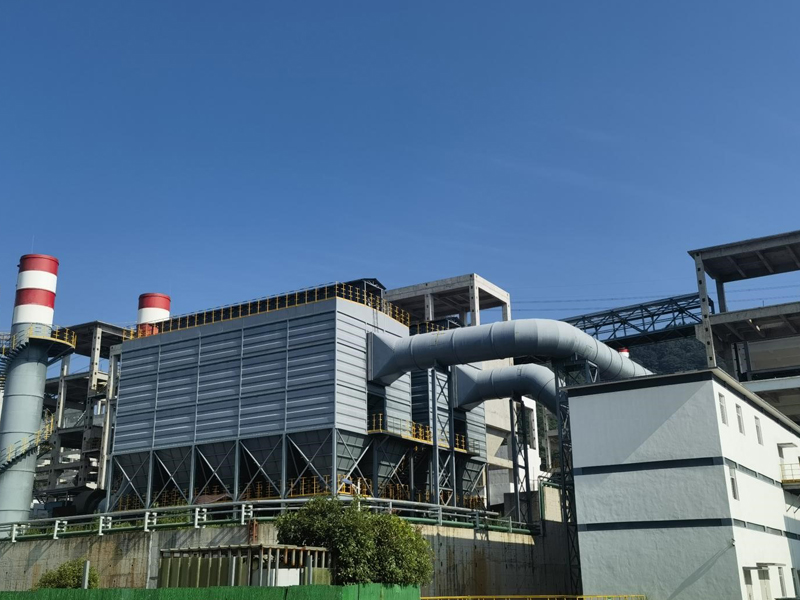
The flue gas in the steel industry is characterized by large emission volume, complex composition, and high dust concentration. Its solutions usually include the following aspects:
1. Flue gas dust removal
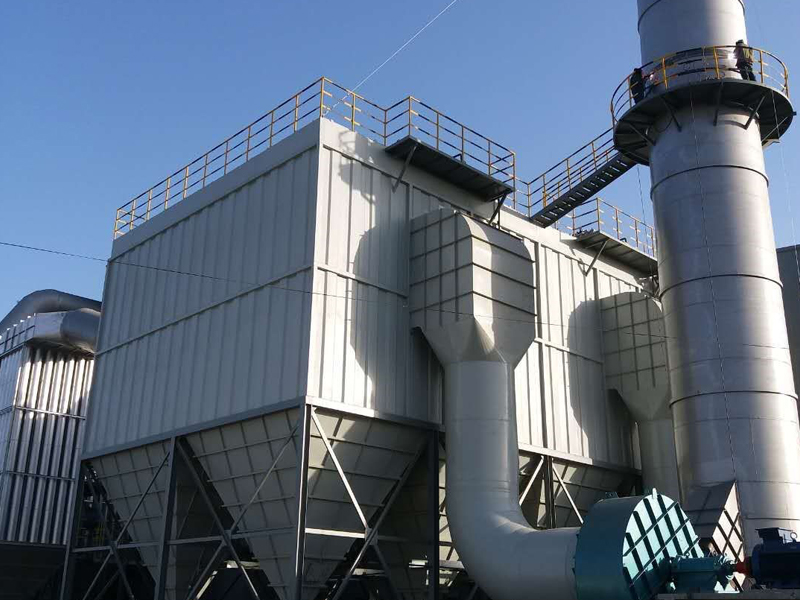
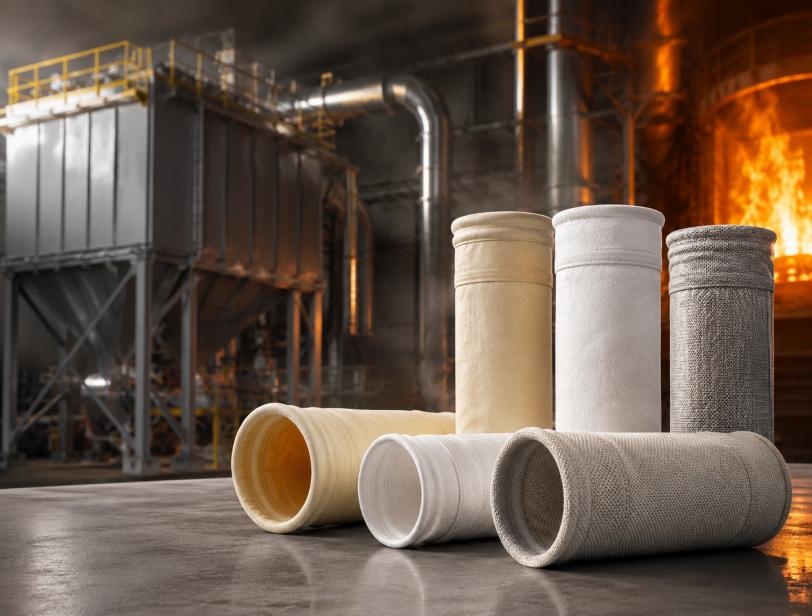
1.1 Bag dust collector:
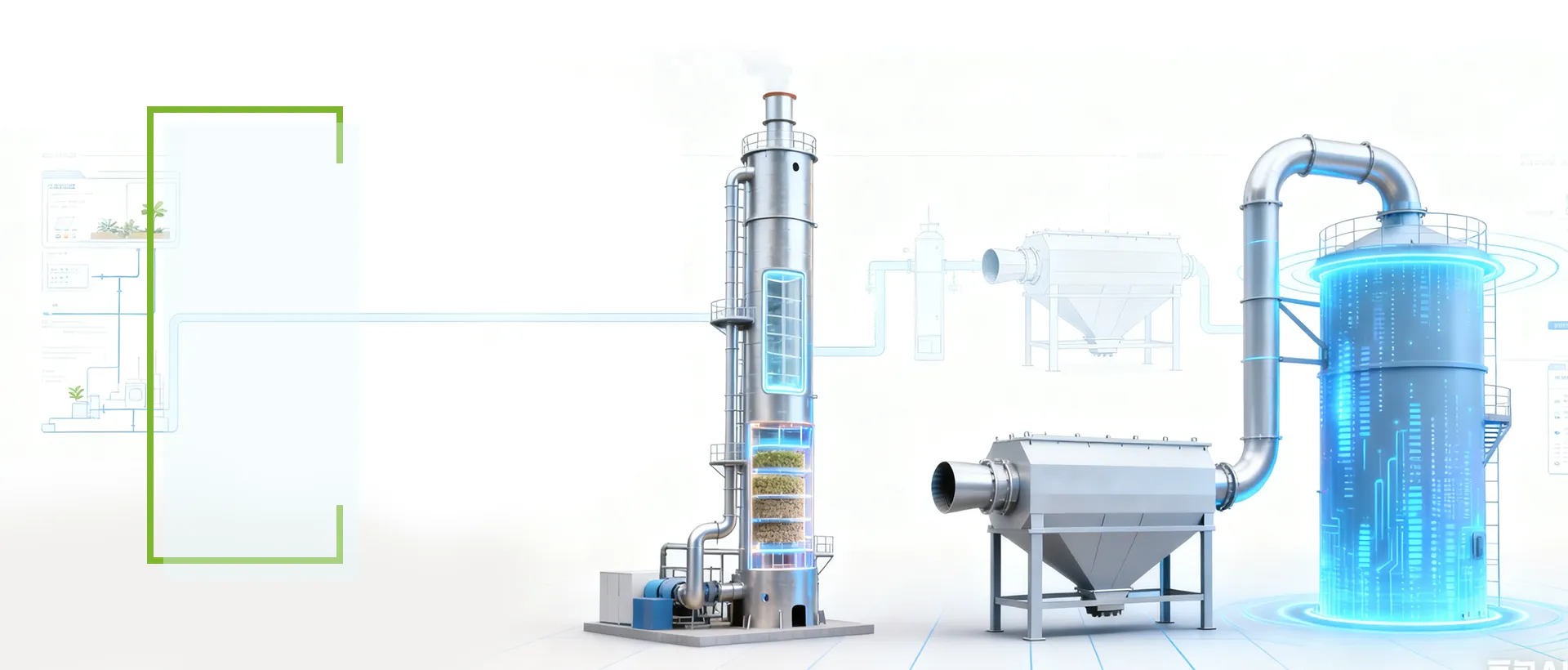
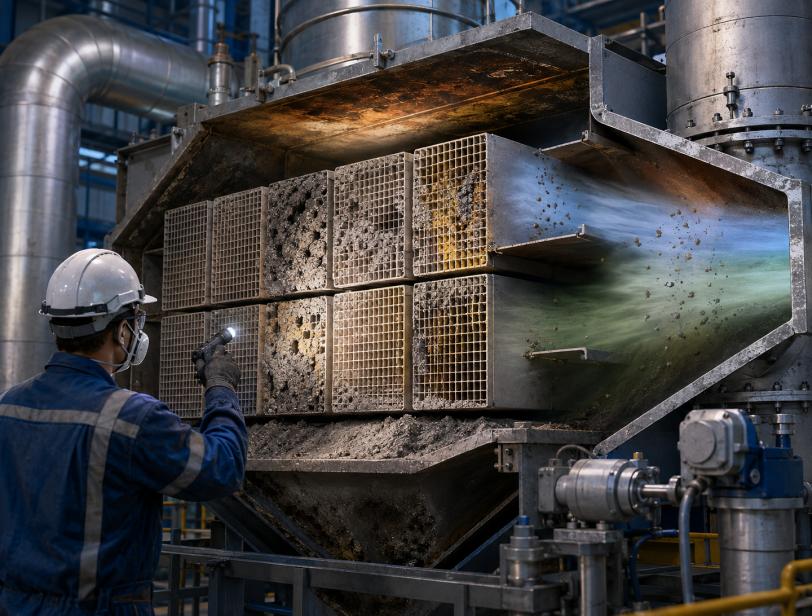
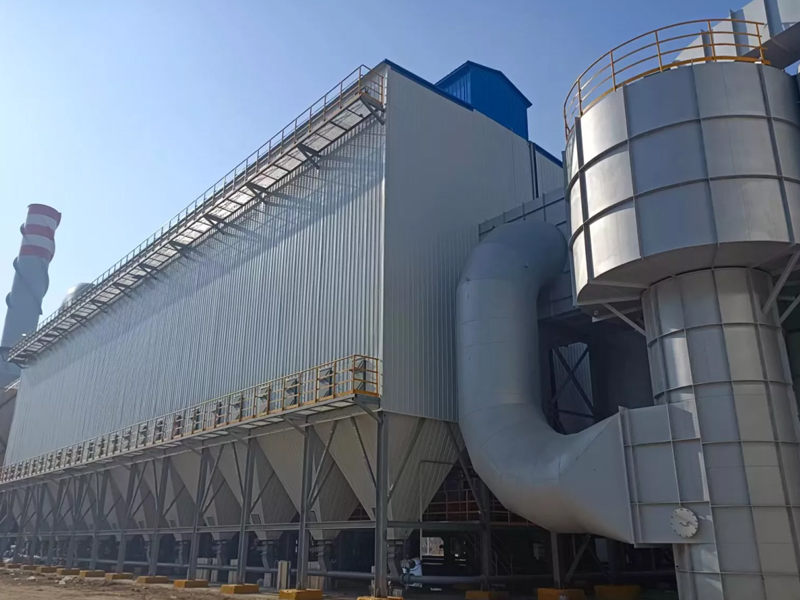
It purifies flue gas by the filtering effect of fiber fabric. When the dust - laden flue gas passes through the filter bag, the dust is intercepted on the surface of the bag, and the purified gas is discharged through the bag. This type of dust collector has a high dust removal efficiency, which can reach over 99%. It can effectively remove fine dust, operate stably, and has a relatively low maintenance cost.
1.2 Electrostatic precipitator:
It uses a high - voltage electric field to charge the dust particles in the flue gas. Under the action of the electric field force, the charged dust moves towards the electrodes and is collected. Its advantages are that it can handle a large volume of flue gas with low resistance, can adapt to high - temperature and high - humidity flue gas conditions, and the dust removal efficiency can reach about 99%.
2. Flue Gas Desulfurization
2.1 Limestone - gypsum method:
Using limestone slurry as the absorbent, it undergoes a chemical reaction with sulfur dioxide in the flue gas inside the absorption tower to generate calcium sulfite, which is then oxidized to form calcium sulfate (gypsum). This method has a high desulfurization efficiency, which can reach over 95%. It features mature technology, reliable operation, wide availability of absorbents, and low cost.
2.2 Ammonia - based desulfurization:
Ammonia water is used as the absorbent to absorb sulfur dioxide in the flue gas, generating ammonium sulfite and ammonium bisulfite. After oxidation, an ammonium sulfate solution is obtained, which can be used as a by - product of chemical fertilizers. The advantages of ammonia - based desulfurization are high desulfurization efficiency, which can reach about 98%, the ability to realize the resource utilization of sulfur, and no secondary pollution.
2.3 Fixed - bed desulfurization:
The fixed - bed desulfurization process involves using a solid adsorbent or catalyst to undergo a chemical reaction with sulfur - containing flue gas in a fixed - bed reactor, thereby removing sulfur dioxide (SO₂) from the flue gas. The adsorbent or catalyst is usually in granular form and is packed in the fixed - bed reactor. As the flue gas passes through the bed layer, SO₂ is adsorbed by the adsorbent or reacts with the catalyst, achieving the purpose of desulfurization.
2.4 Desulfurization by ultrafine calcium-based (sodium-based) powder:
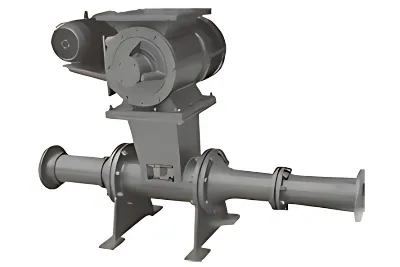
The prepared ultrafine calcium-based (sodium-based) powder is stored in a special silo, and the calcium-based (sodium-based) powder is quantitatively conveyed to the spraying device through equipment such as a screw feeder. The spraying device uses compressed air to spray the calcium-based (sodium-based) powder into the sulfur-containing flue gas in the desulfurization reactor at high speed, so that the calcium-based (sodium-based) powder is fully mixed and contacted with the flue gas. The ultrafine calcium-based (sodium-based) powder has a large specific surface area, a large contact area with sulfur dioxide and high reaction activity, and can complete the desulfurization reaction in a short time. It is suitable for treating flue gas with high sulfur dioxide concentration.
3. Flue gas denitrification
3.1 Selective Catalytic Reduction (SCR):
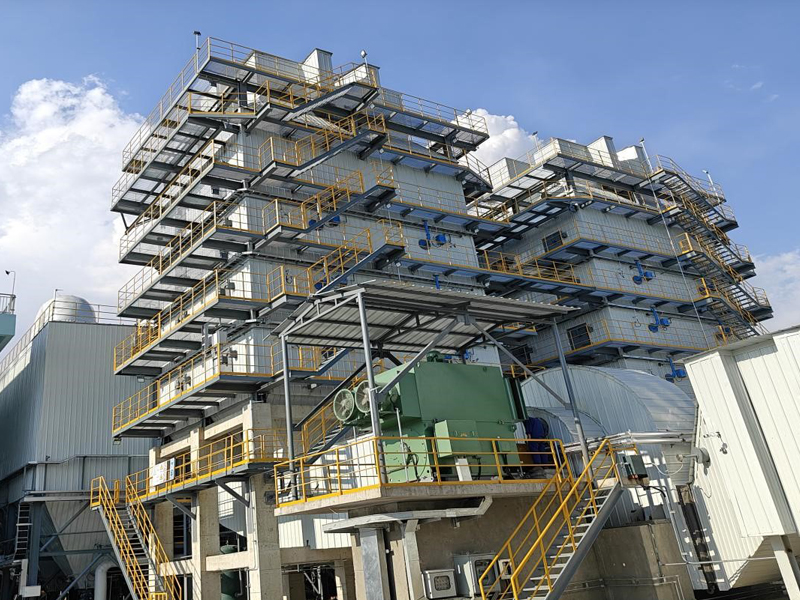
Under the action of a catalyst, reducing agents such as ammonia or urea are injected into the flue gas to reduce nitrogen oxides to nitrogen and water. The SCR method has a high denitrification efficiency, generally reaching 80% - 90%. It can adapt to different flue gas conditions, has mature technology, and is widely applied.
3.2 Selective Non - Catalytic Reduction (SNCR):
The reducing agent is injected into the high - temperature flue gas. Under the condition without a catalyst, the reducing agent reacts with nitrogen oxides in a reduction reaction. The advantage of the SNCR method is that it does not require a catalyst, resulting in a low investment cost. However, its denitrification efficiency is relatively low, generally ranging from 40% to 60%.
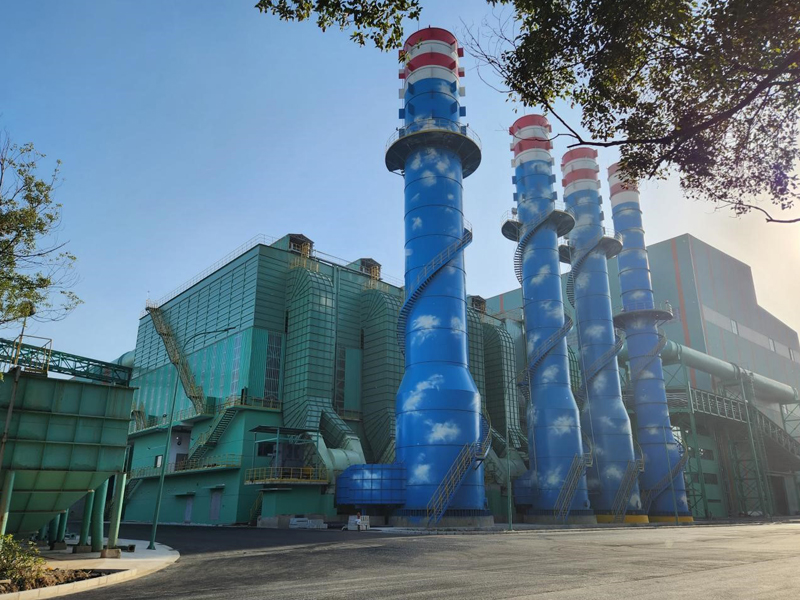
Flue gas solutions for the steel industry need to take various factors into comprehensive consideration. Based on the actual situation of enterprises, appropriate technologies and equipment should be selected to achieve compliant flue gas emissions and comprehensive utilization of resources.
 English