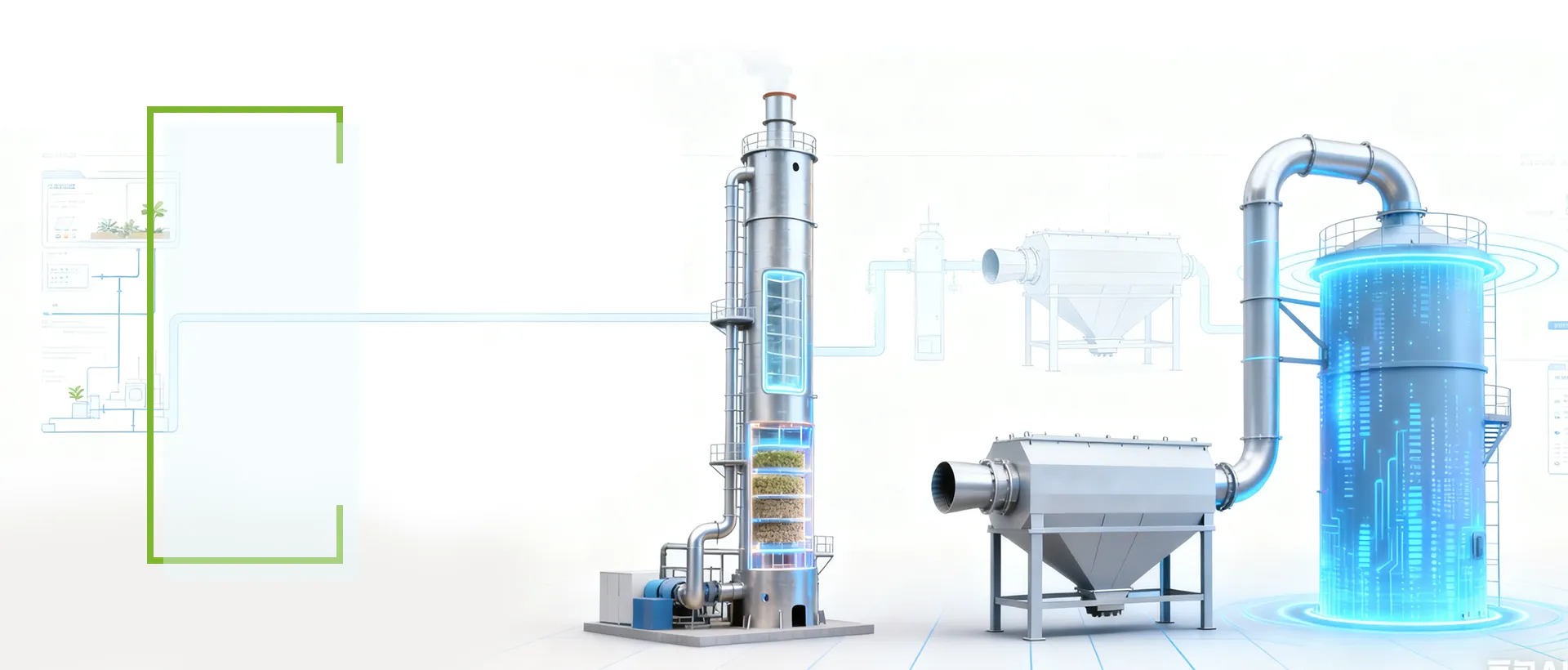
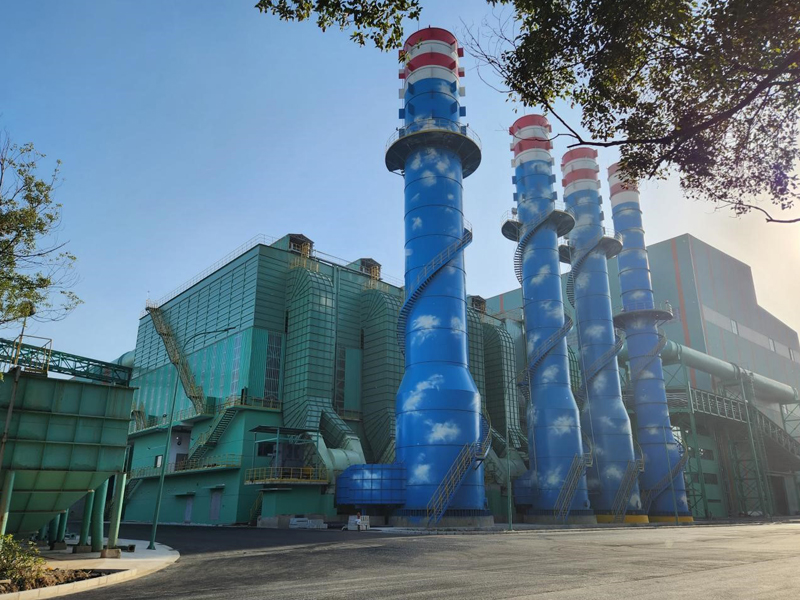
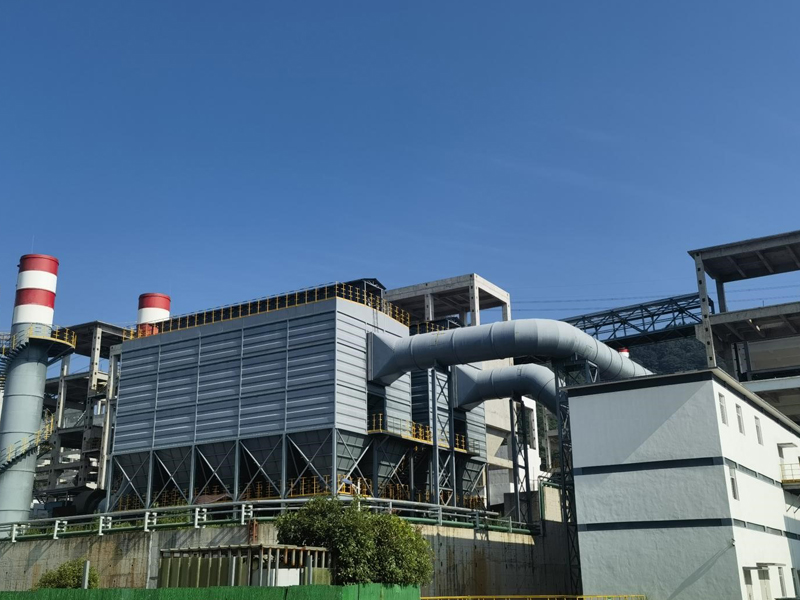
The treatment of dust in flue gas from waste incineration requires comprehensive consideration of various factors, and a combination of multiple technologies is adopted to achieve efficient and stable dust removal. The following are some common solutions for dust in flue gas from waste incineration:
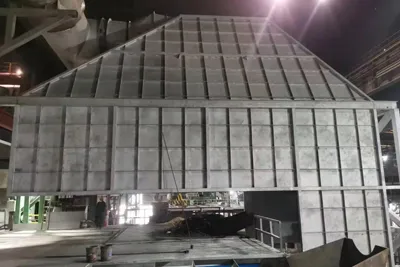
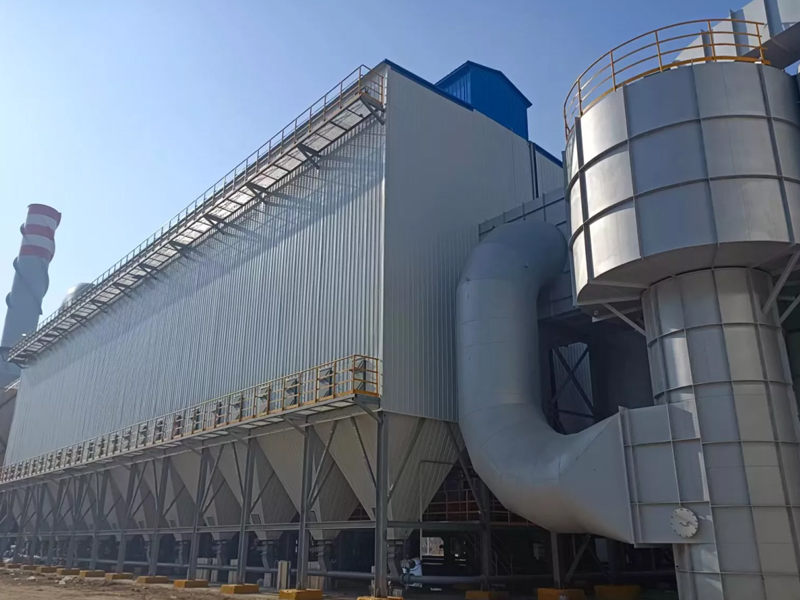
1. Bag dust collector
1.1 Working Principle:
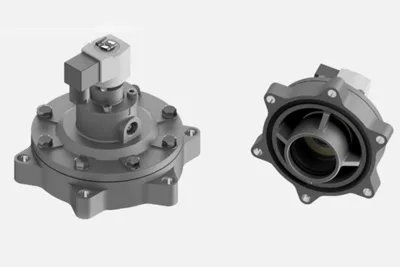
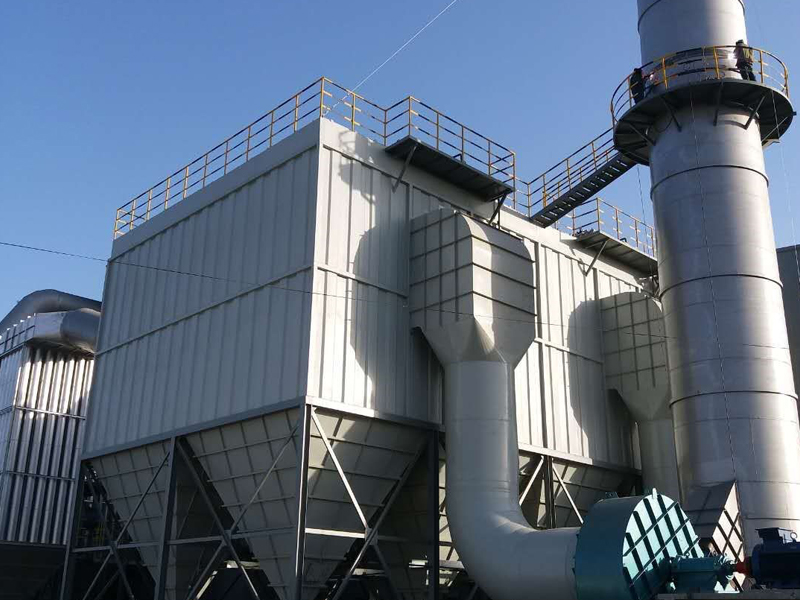
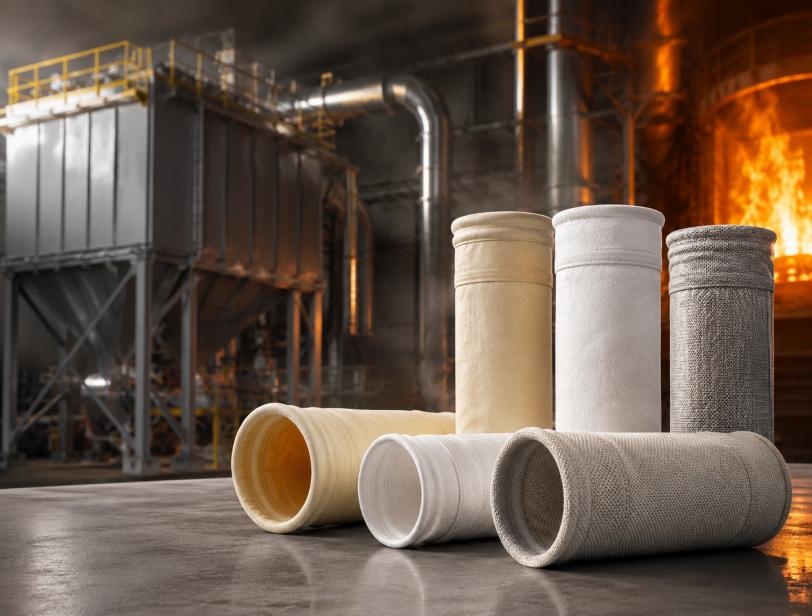
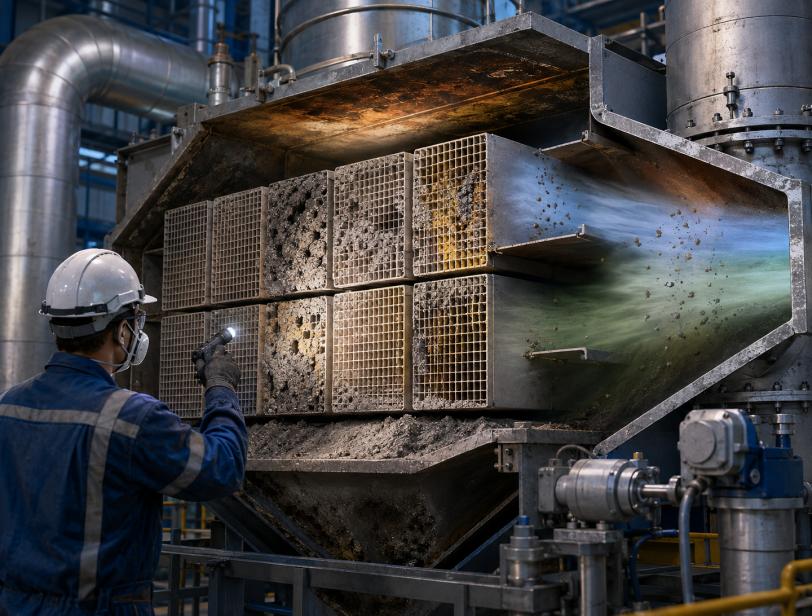
When the dust - laden flue gas enters the bag dust collector, the dust is intercepted by the filter bags, and the purified gas is discharged through the filter bags. As the filtration process continues, dust gradually accumulates on the surface of the filter bags. When the resistance reaches a certain value, the filter bags are cleaned by the dust - cleaning device to restore their filtering performance.
1.2 Advantages:
It has a high dust - removal efficiency, which can reach over 99%, and can effectively remove fine dust. It has strong adaptability to dust of different properties. It operates stably and is relatively simple to maintain.
1.3 Application Scenarios:
It is widely used in the flue gas dust removal of waste incineration plants. It can meet strict environmental protection emission standards and is especially suitable for areas with high requirements for dust emissions.
2. Activated carbon adsorption
2.1 Working Principle:
Activated carbon has a large specific surface area and abundant microporous structures, endowing it with a strong adsorption capacity for pollutants such as dust, heavy metals, and dioxins in the flue gas from waste incineration. Powdered activated carbon is sprayed into the flue gas to fully mix with it. Pollutants are adsorbed onto the surface of the activated carbon, and then the activated carbon along with the adsorbed pollutants is removed by subsequent dust - removal equipment.
2.2 Advantages:
It can effectively remove various pollutants in the flue gas, especially demonstrating remarkable adsorption effects on dioxins and heavy metals. The injection amount of activated carbon can be adjusted according to the concentration and types of pollutants in the flue gas, offering high flexibility.
2.3 Application Scenarios:
It is usually used in combination with bag dust collectors or electrostatic - bag composite dust collectors for the collaborative treatment of various pollutants in the flue gas from waste incineration, so as to meet the increasingly stringent environmental protection requirements.
3. Wet Scrubber
3.1 Working Principle:
After the dust - laden flue gas enters the wet scrubber, it comes into full contact with the sprayed water or alkaline solution. Dust particles are captured by the liquid droplets and discharged along with the liquid. Meanwhile, acidic gases in the flue gas can be absorbed by the alkaline solution.
3.2 Advantages:
It can remove both dust and acidic gases simultaneously, achieving good collaborative treatment effects. It can cool the flue gas, reducing the operating temperature of subsequent equipment. The equipment has a relatively simple structure and a low investment cost.
3.3 Application Scenarios:
It is often used as an auxiliary device for waste incineration flue gas treatment, working in conjunction with other dust - removal equipment. It is especially suitable for treating waste incineration flue gas containing acidic gases.
In practical applications, it is necessary to select appropriate flue gas dust solutions based on factors such as the scale of the waste incineration plant, flue gas characteristics, environmental protection requirements, and economic costs. Also, attention should be paid to the operation management and maintenance of the equipment to achieve compliant emissions of flue gas dust from waste incineration and sustainable environmental development.
 English