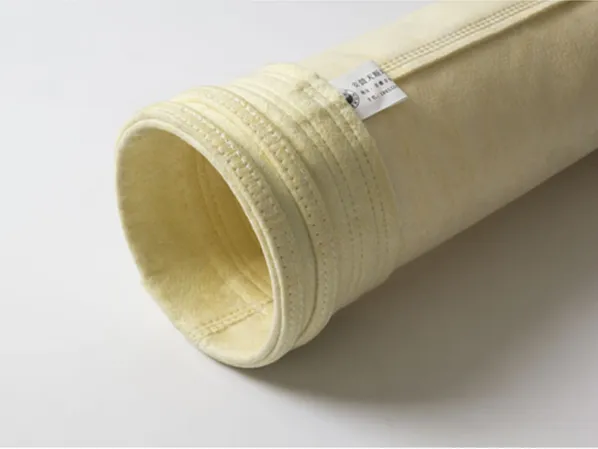
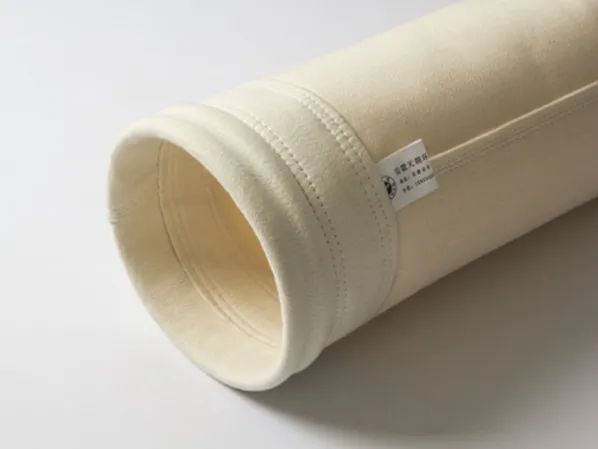
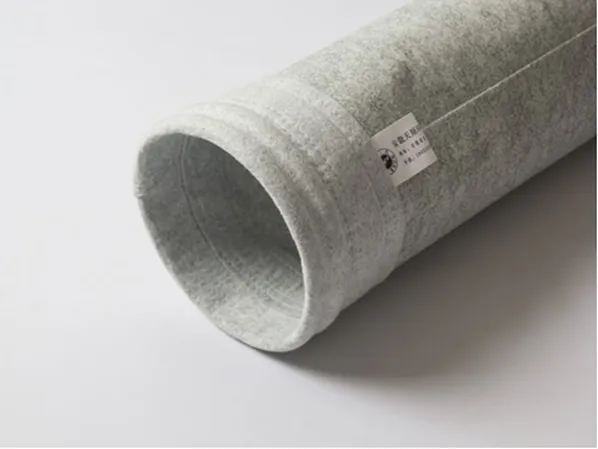
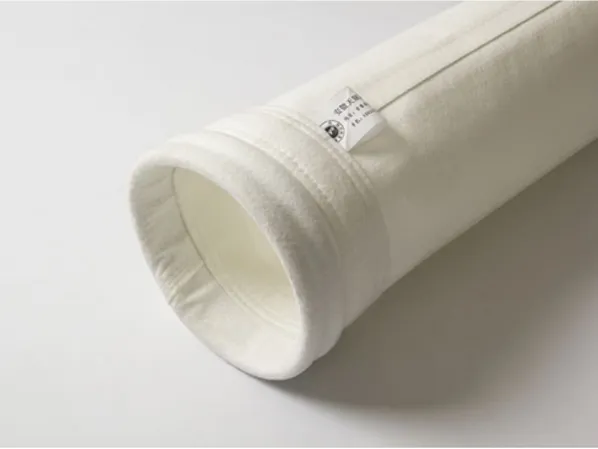
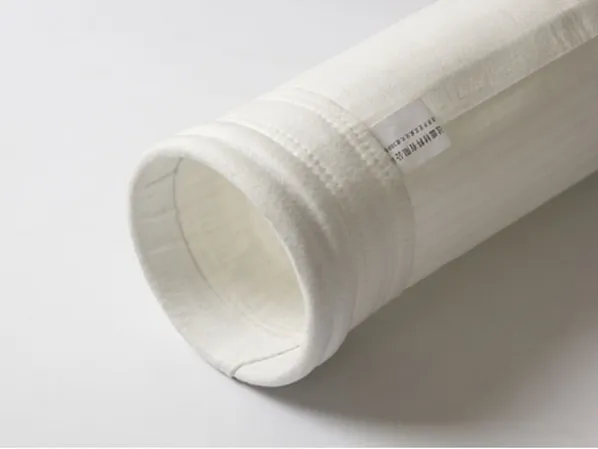
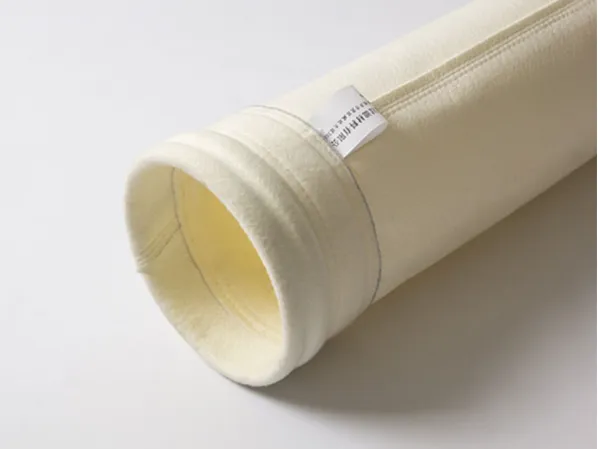
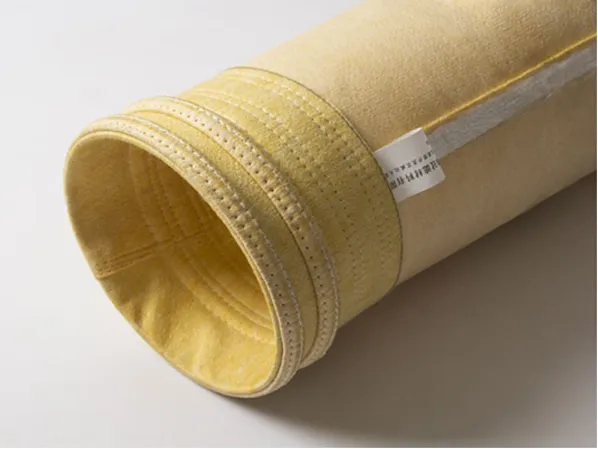
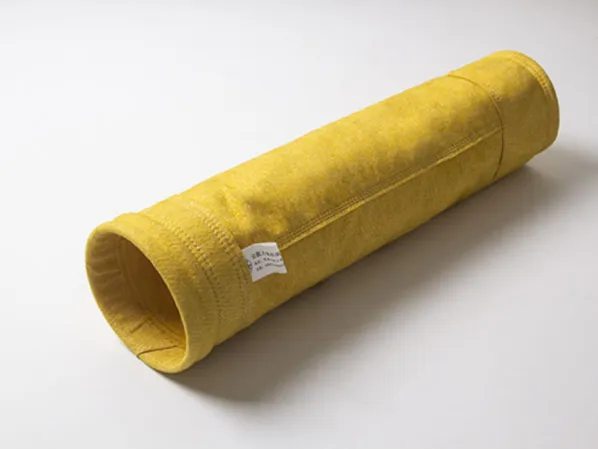
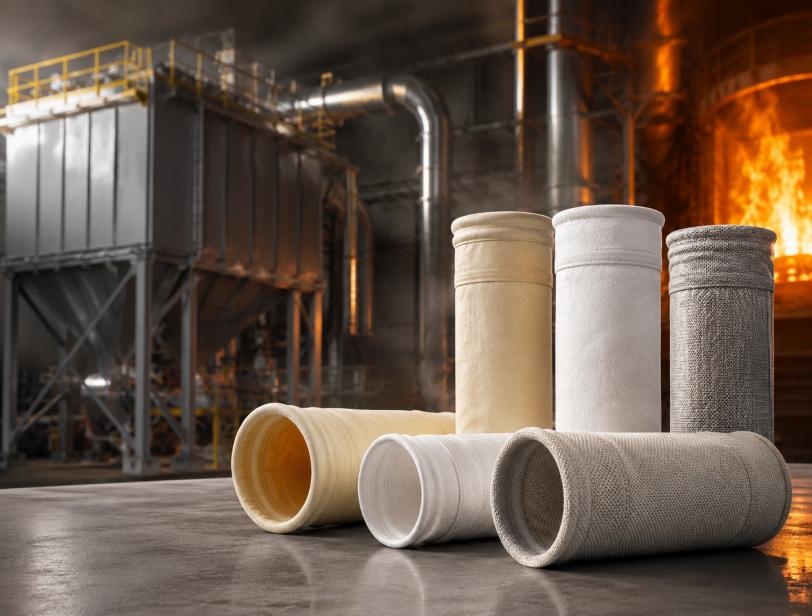
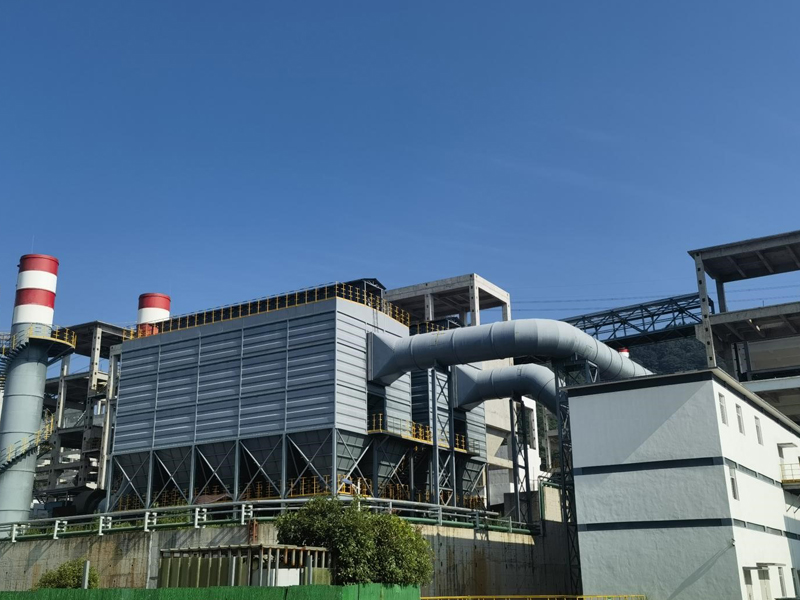
Fiberglass composite membrane filter bag
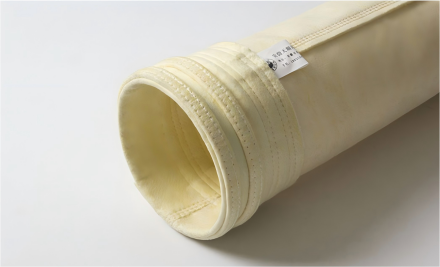
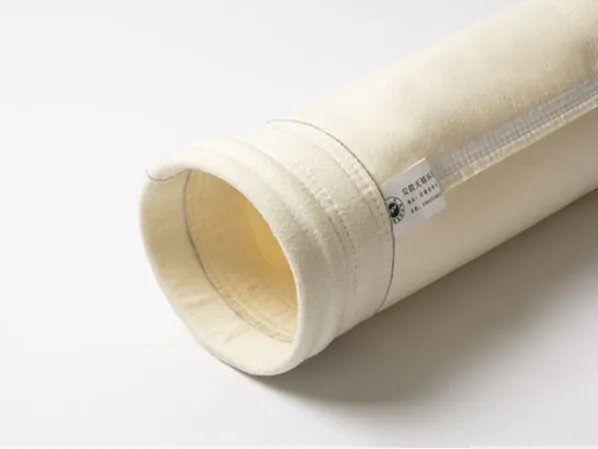
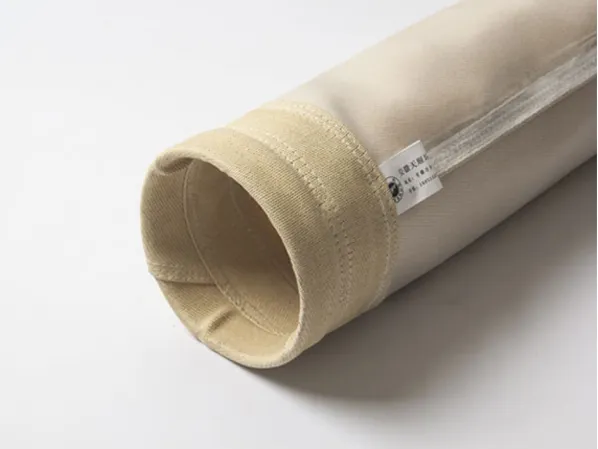
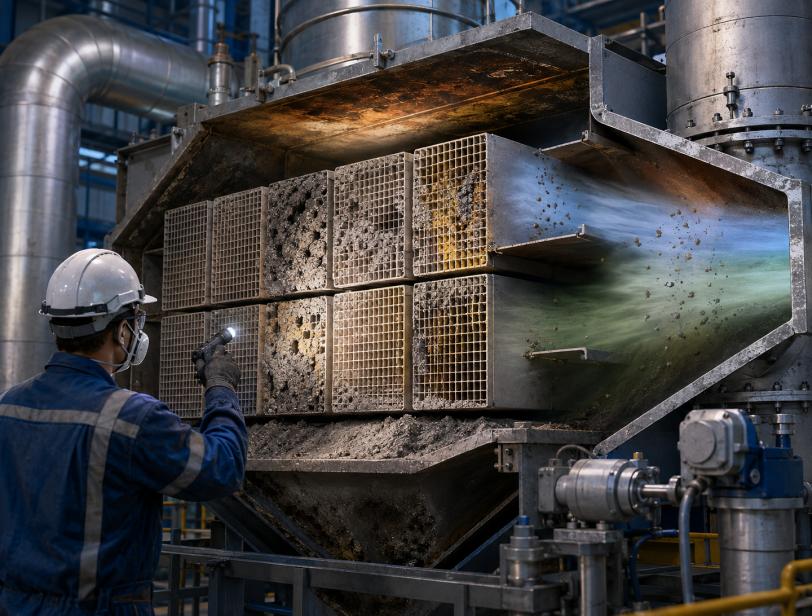
High-temperature resistant composite needle-punched felt is made of two or more high-temperature resistant fibers and corrosion-resistant chemical fibers mixed and layered, suitable for flue gas purification and dust recovery in various industries. Compared with glass fiber filter media, fluoropolymer has significantly improved wear resistance, flexural strength, corrosion resistance, and peel strength, with a filtration velocity of over 1.0 m/min and low operating resistance. After being treated with PTFE chemical raw materials, the product is suitable for different temperatures from 150-300℃. It is widely used in industries such as steel smelting, chemical industry, carbon black, cement, power generation, and waste incineration. Its characteristics include: high-temperature wear resistance, acid resistance, alkali resistance, and anti-condensation. Wide applications include: ceramics, steel, carbon black, cement, and calcium carbide. Suitable for high-load and long-life applications.
PPS dust collector bags
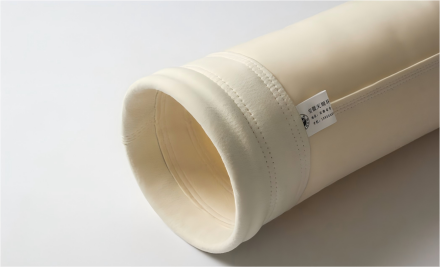
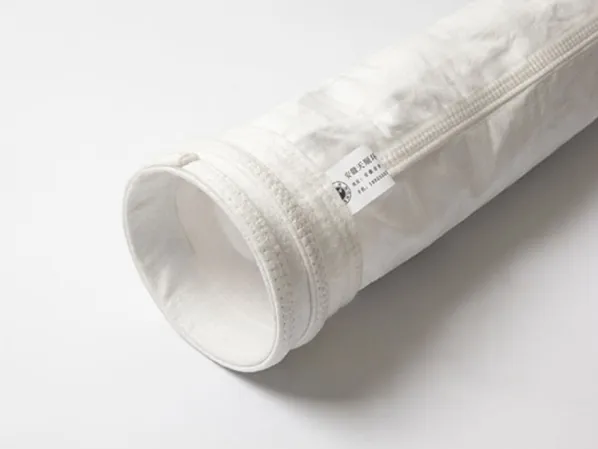
PPS filter felt is a filter material produced by our company using polyphenylene sulfide (PPS) fibers produced in the United States, Japan and other countries, and processed according to the production process of other high-temperature filter felts. It is one of the main varieties of high-temperature filter materials.
Characteristics of PPS needle-punched filter media
1. Excellent chemical resistance; it is resistant to almost all acids, alkalis and organic solvents, except for strong oxidizing agents.
2. Excellent heat resistance: PPS can be used continuously below 190℃, with an instantaneous working temperature of up to 232℃, a melting point of 285℃, and a limiting oxygen index of 34-35. At 180℃, PPS has a heat shrinkage rate of less than 1% without a decrease in strength; at 210℃, after 1200 hours, the heat shrinkage rate does not exceed 1.5%, and the strength remains above 80%.
3. Applicable in situations where the oxygen content is 15% or below.
4. Sulfur oxides in fuels or flue gas have been proven to be resistant to acid and alkali corrosion. The fibers also possess strong chemical resistance.
5. It has excellent hydrolysis resistance and its strength is not lost even after prolonged exposure (500 hours) to high temperatures (160℃) and high humidity (79%). It is very suitable for applications where the flue gas contains moisture.
6. Under operating conditions of 190-232℃, PPS filter bags have excellent performance records when the air-to-cloth ratio is as high as 5:1 for online cleaning and 6:1 for offline cleaning.
PPS fibers retain their strength and inherent chemical resistance, enabling them to maintain excellent filtration performance and achieve an ideal service life even in harsh environments. PPS filter felt is an ideal filter material in pulse-jet dust collectors used for filtering coal-fired boilers, waste incinerators, and fly ash from power plants.
Hybrid conductive membrane filter bags
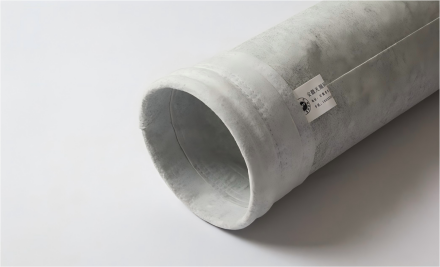
Conductive fiber needle-punched felt is made by blending conductive fibers with polyester fibers in diameter of 6-8 micrometers using high-tech methods. The metal fibers are evenly mixed into the textile fibers, and the resulting fabric looks no different from ordinary fabrics, but has excellent antistatic properties. It can withstand various dyeing and finishing processes and washing without changing its antistatic properties.
1. It adopts nano-high-performance fiber conductive technology, which can quickly eliminate static electricity generated on the surface of the filter bag.
2. After this technical treatment, the physical properties of the fabric will not change, and it will have a natural luster and a soft feel.
3. This high-performance conductive fiber is insoluble in water and has a long-lasting and stable function.
Polyester dust collector bags
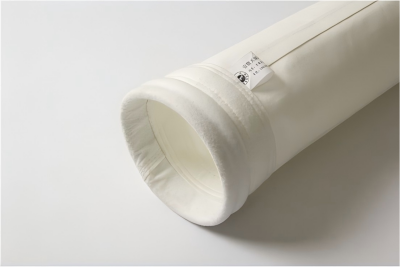
This product possesses the advantages of ordinary felt filter cloth, such as high porosity, good air permeability, high dust collection efficiency, and long service life. Due to its moderate temperature resistance (up to 150℃), moderate acid and alkali resistance, and excellent abrasion resistance, it has become a widely used type of felt filter material. Surface treatment methods include singeing, calendering, or coating, depending on the specific requirements of the mining conditions.
Antistatic polyester dust collector filter bag
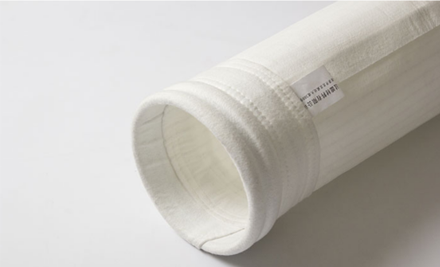
When the concentration of general industrial dust particles reaches a certain level (i.e., the explosion limit index), it can easily lead to explosion and fire if it encounters factors such as electrostatic discharge sparks or external ignition. For example, coal dust, flour dust, and chemical dust can all explode when exposed to electrostatic discharge.
In the field of baghouse dust collection, if dust needs to be collected and recovered using filter bags, the filter material used to make the dust collector bags must have antistatic properties. Our factory has absorbed and digested domestic and foreign technologies, and combined them with the needs of domestic cement plants, coal mill dust collection in thermal power plants, blast furnace gas coal mill dust collection, and other dust-producing industries, to develop and produce antistatic needle-punched filter felt.
Acrylic dust collector bags
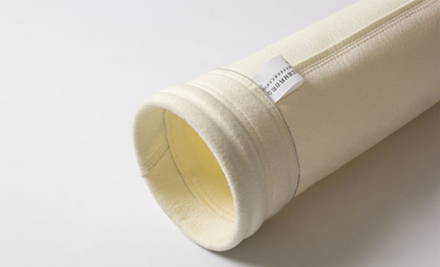
Acrylic-coated filter bags, also known as homopolymer acrylic or acrylic fiber, are synthetic fiber filter media with excellent hydrolysis resistance, suitable for continuous operation at temperatures of 125℃-140℃. They exhibit good resistance to organic solvents, oxidants, inorganic and organic acids, and have excellent hydrolysis resistance. Homopolymer acrylic has moderate alkali resistance. Overall, the performance of homopolymer acrylic fiber filter media is superior to that of copolymer acrylic fiber filter media (Copolymer Acrylics).
P84 composite dust collector bag
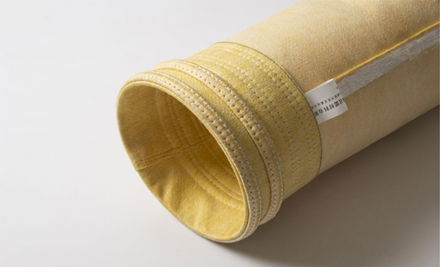
P84 dust collector bag
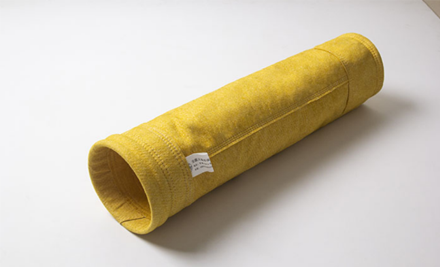
P84 high-temperature resistant fiber is INSPEC FIBERS polyimide fiber produced by LENZING AG in Austria. This fiber has a special trilobal cross-section, which increases its surface area by 80% compared to other round fibers, thus greatly improving filtration efficiency.
This filter media has the following three significant characteristics:
1. Significant temperature resistance
Working environment 260℃
2. Good chemical resistance
P84 filter media has excellent acid and alkali resistance, making it particularly suitable for treating waste gas from waste incineration.
3. Low backwashing pressure and high efficiency in removing mud cake.
P84 fibers, due to their irregular cross-section, increase surface area and provide numerous micropores, resulting in surface filtration superior to depth filtration. Dust remains only on the surface of the filter felt and does not enter the felt itself, thus requiring less backwashing pressure and significantly improving filter cake release efficiency. It exhibits excellent fine particle collection efficiency and low operating pressure differential, leading to correspondingly lower operating costs.
Aramid dust collector bags
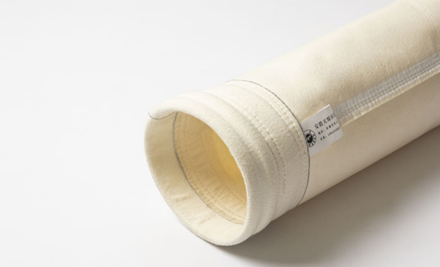
In the field of baghouse dust collection, the filter bag is often referred to as the heart of the baghouse dust collector. The type of dust-laden flue gas that a baghouse dust collector can handle mainly depends on the chemical fibers used to manufacture the filter bags. Under normal flue gas temperature conditions, as long as the filter bags can withstand temperatures below 150℃, chemical fibers such as polyester, polypropylene, acrylic, and nylon are generally sufficient. For applications with high flue gas temperatures, such as chemical plants, carbon black (white carbon black) tail gas, blast furnace gas from ironmaking plants, vertical kiln tail gas from cement plants, kiln tail gas from calcium carbide plants, foundry and steelmaking plants, asphalt fumes from asphalt concrete mixing, refractory brick kiln fumes, and coking fumes, the following issues arise: First, the dust in these flue gases is unsuitable for electrostatic precipitators due to its resistivity limitation, and can only be collected using bag filters or other methods. Second, reducing the temperature of the dust-laden flue gas to below 150℃ requires significant investment or is subject to site limitations. Third, because the dust-laden flue gas contains sulfur, it has an acid dew point, meaning it can only be filtered and separated at temperatures above the acid dew point. Therefore, a chemical fiber capable of withstanding high temperatures is needed to make the filter material.
Alkali-free fiberglass woven fabric dust collector bags
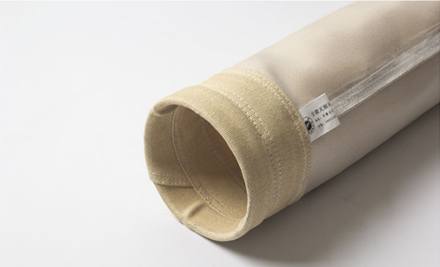
PTFE membrane filter bags
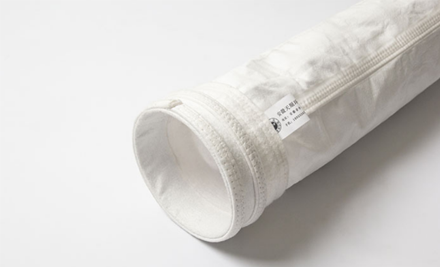
PTFE needle-punched felt is a chemically extremely stable fiber. Our company mainly imports it from DuPont (Teflon) in the United States and INSPECALenzing in Austria. Its characteristics are as follows:
1. Continuous operating temperature above 250 degrees Celsius, instantaneous temperature 280 degrees Celsius.
2. It is completely resistant to acids, alkalis and oxidation, and is almost non-flammable.
3. Fibers that will not age.
4. Meets harsh working conditions and has an extremely long service life, typically exceeding 3 years. 100% PTFE needle-punched felt filter media is mainly used in chemical, waste incineration, and high-temperature liquid filtration industries, maintaining excellent chemical stability under various complex working conditions.
 English