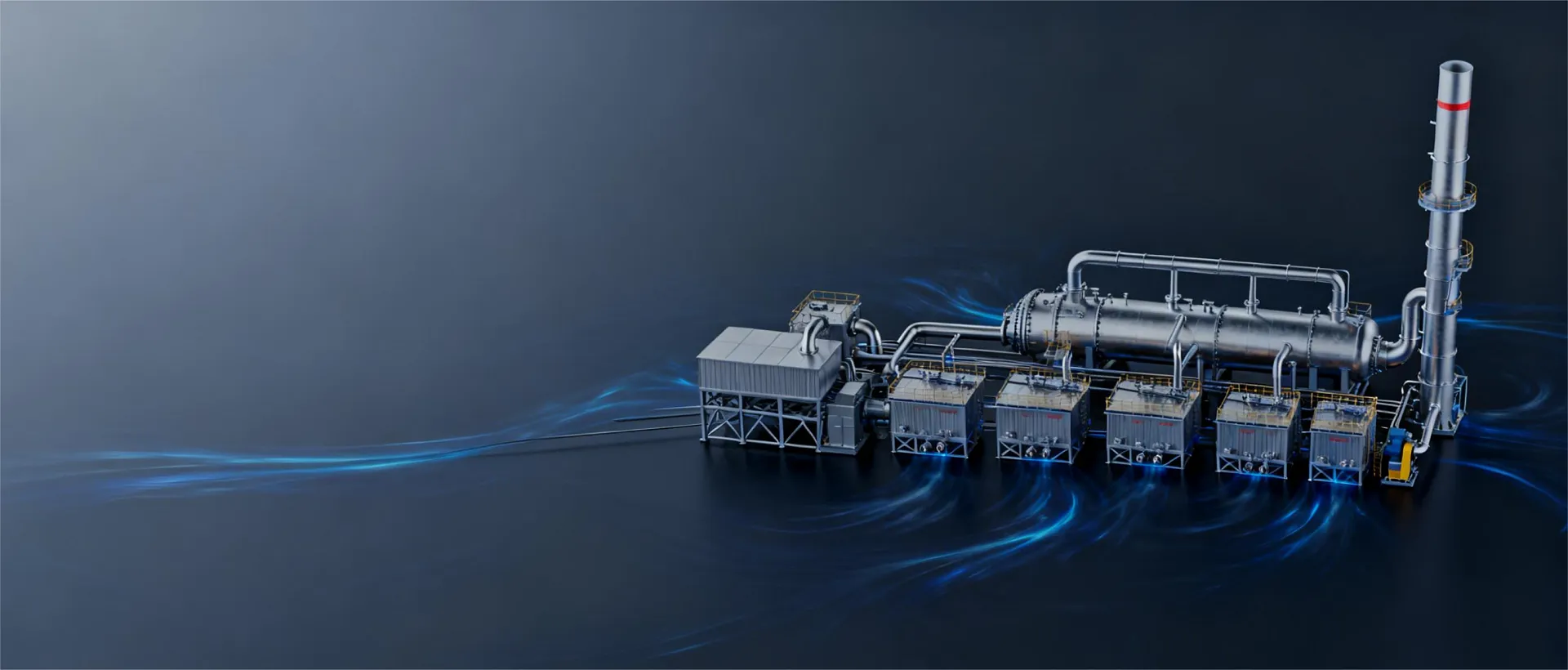
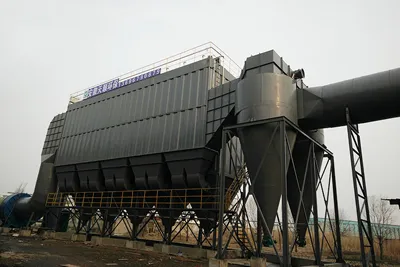
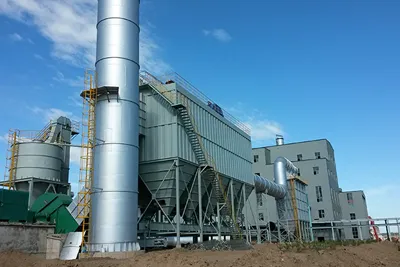
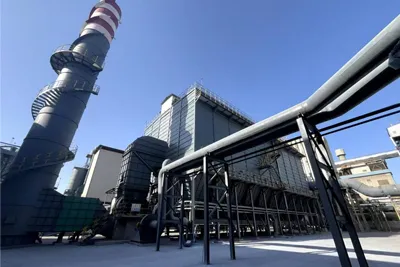
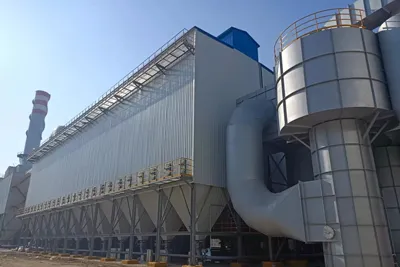
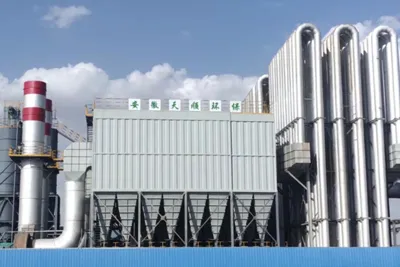
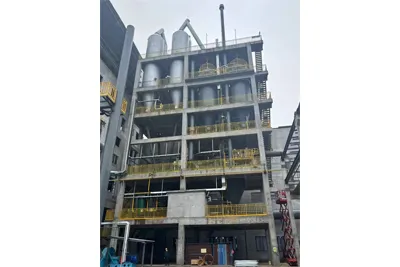
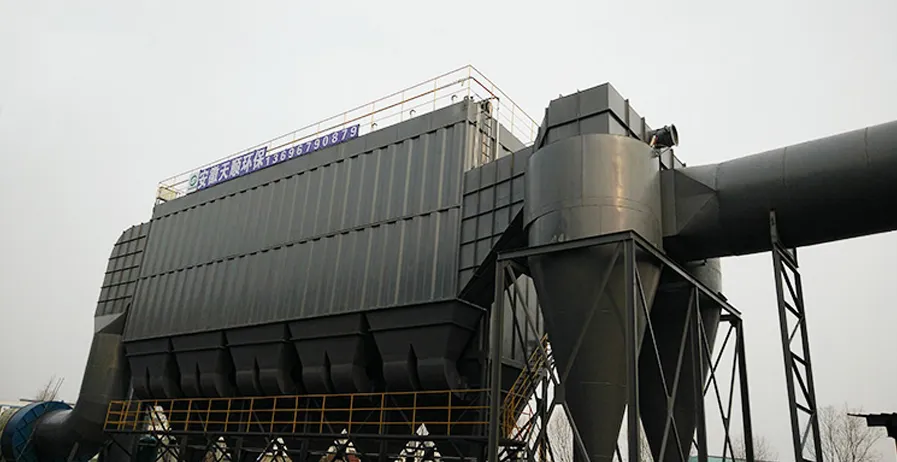
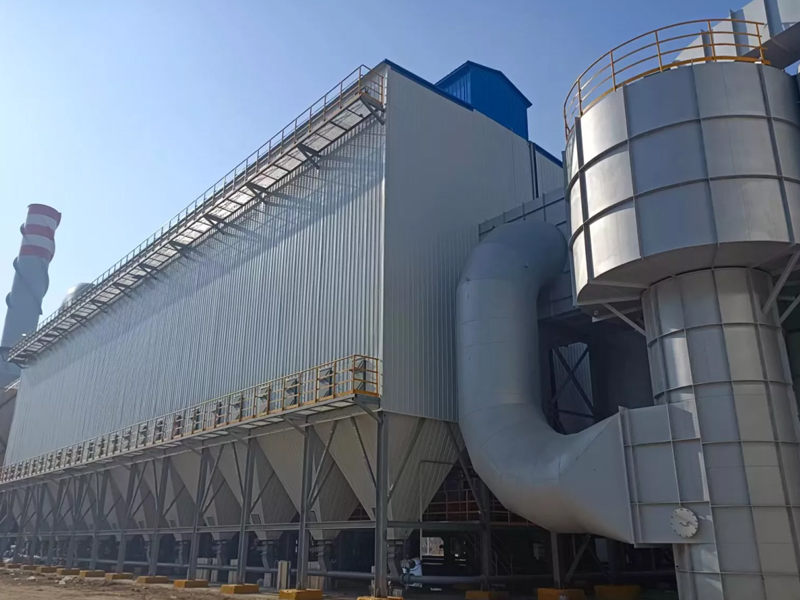
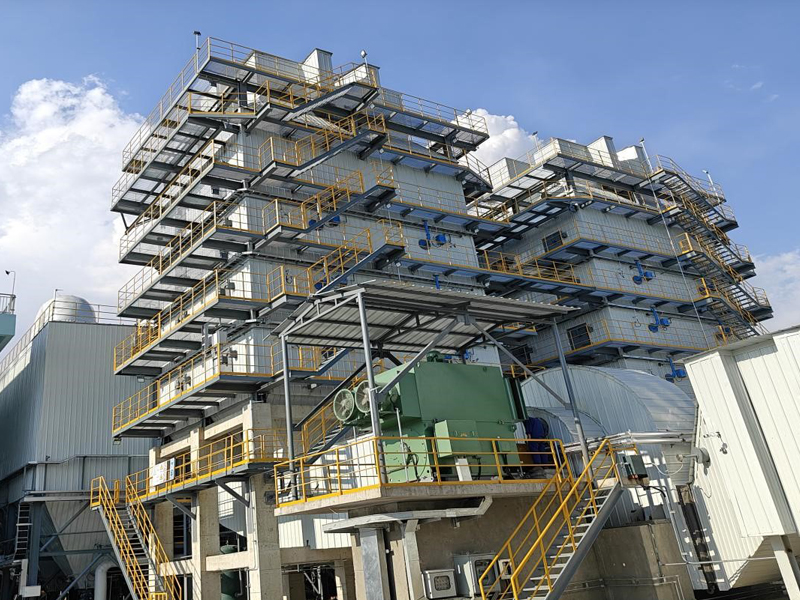
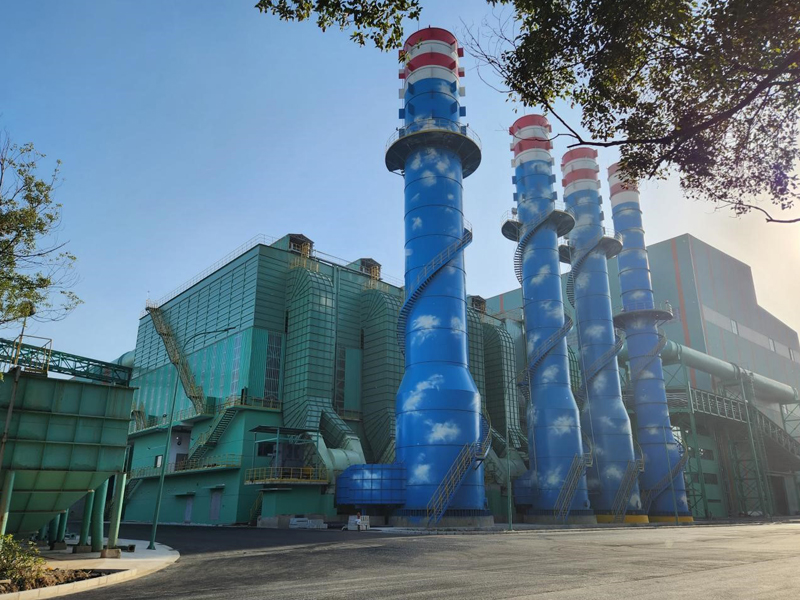
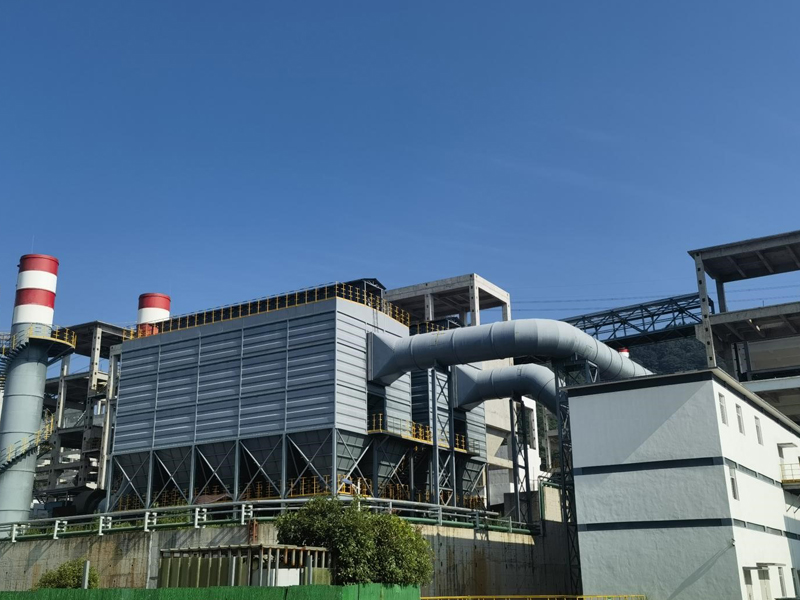
Tianshun provides customized flue gas treatment systems for controlling dust, SO₂, NOx, acid gases and other industrial emissions. Each flue gas cleaning system integrates gas collection, cooling, filtration, desulfurization, denitrification and final purification according to flue gas conditions, emission targets and plant layout.
Different Types of Flue Gas Treatment Equipment
How Does a Flue Gas Treatment System Work?
The complete flue gas treatment process may include gas collection, filtration, desulfurization, denitrification and final purification, depending on the pollutants and emission targets.
1. Flue Gas Capture and Pre-Treatment
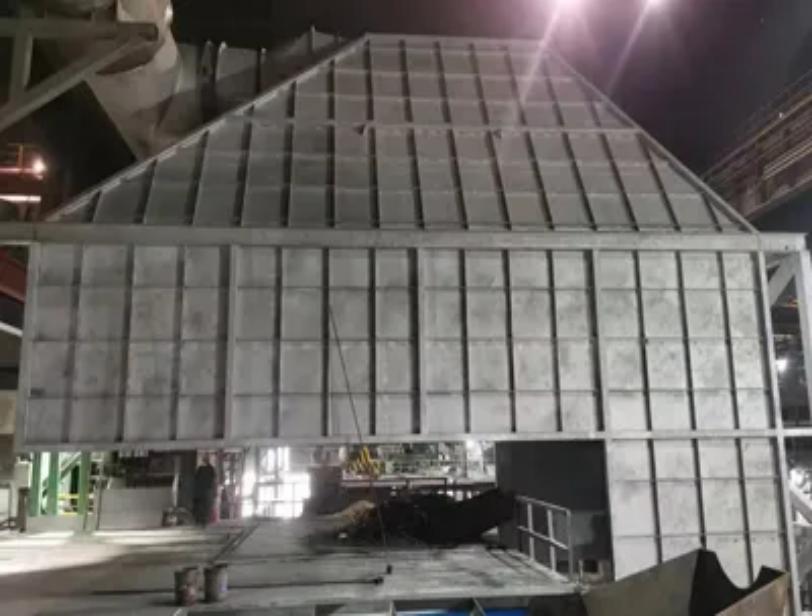
Flue gas is collected through hoods and ducts, then cooled or conditioned when necessary to protect downstream equipment and stabilize operation.
2. Fine Particulate Filtration
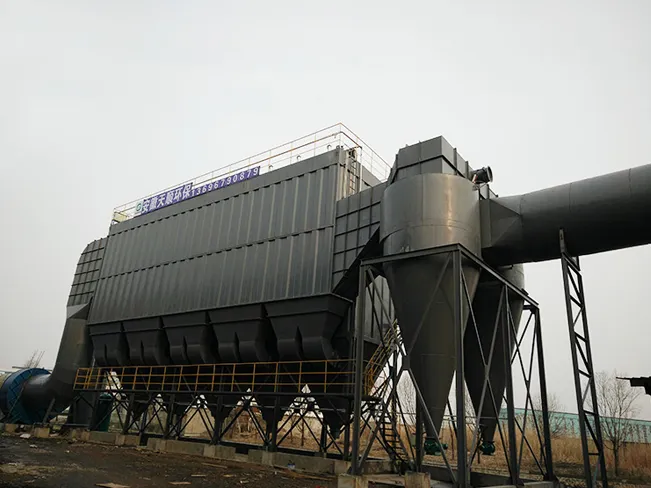
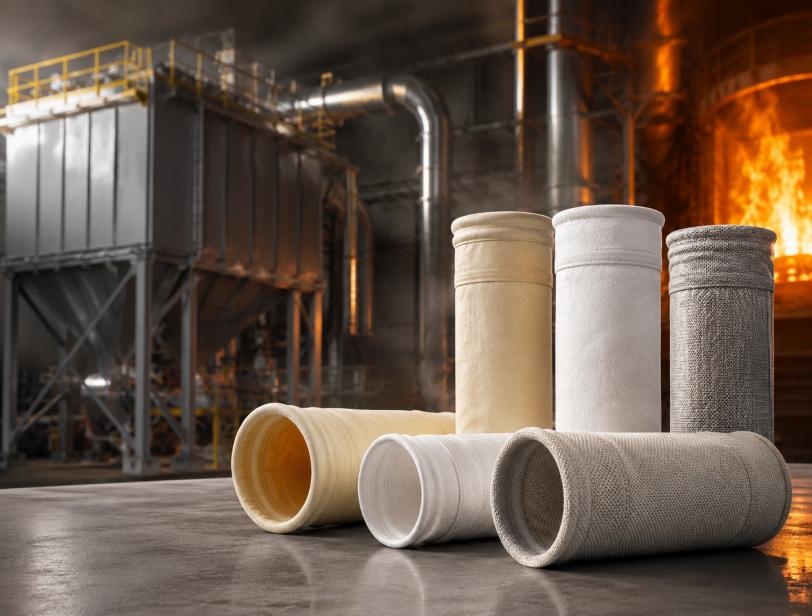
Fine dust is removed through bag filters, electrostatic precipitators or other flue gas filtration equipment selected according to gas and dust characteristics.
3. SO₂, NOx and Acid Gas Control
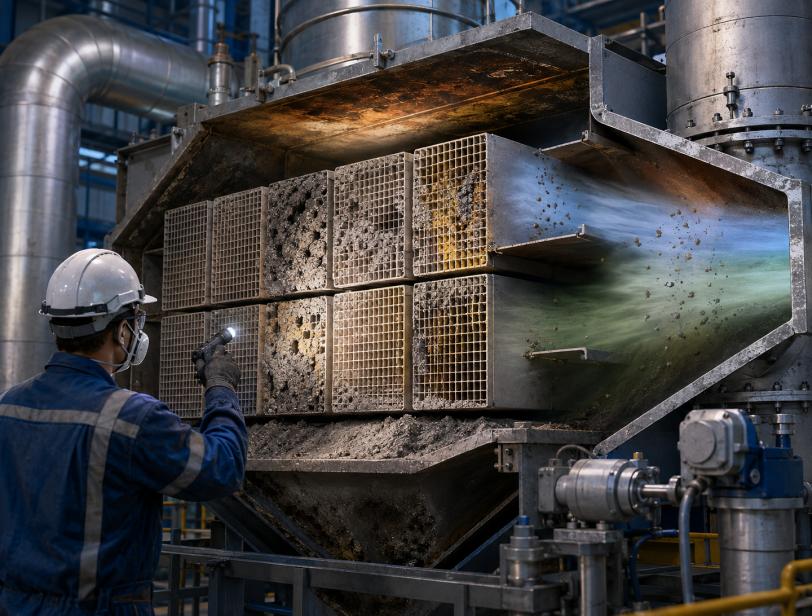
A flue gas desulfurization system removes SO₂ and acid gases, while a flue gas denitrification system controls NOx through SCR, SNCR or other suitable technologies.
4. Final Purification and Discharge
Residual pollutants may be treated through adsorption or fine filtration. The cleaned gas is then monitored and safely discharged through the stack.
Warning: Use of undefined constant No - assumed 'No' (this will throw an Error in a future version of PHP) in
/repo1/WebsiteBuildingSystem_v2024/librarys/Suco/View.php(276) : eval()'d code on line
1732
Warning: Use of undefined constant No - assumed 'No' (this will throw an Error in a future version of PHP) in
/repo1/WebsiteBuildingSystem_v2024/librarys/Suco/View.php(276) : eval()'d code on line
1732
Warning: Use of undefined constant No - assumed 'No' (this will throw an Error in a future version of PHP) in
/repo1/WebsiteBuildingSystem_v2024/librarys/Suco/View.php(276) : eval()'d code on line
1732
Warning: Use of undefined constant No - assumed 'No' (this will throw an Error in a future version of PHP) in
/repo1/WebsiteBuildingSystem_v2024/librarys/Suco/View.php(276) : eval()'d code on line
1732
Warning: Use of undefined constant No - assumed 'No' (this will throw an Error in a future version of PHP) in
/repo1/WebsiteBuildingSystem_v2024/librarys/Suco/View.php(276) : eval()'d code on line
1732
Warning: Use of undefined constant No - assumed 'No' (this will throw an Error in a future version of PHP) in
/repo1/WebsiteBuildingSystem_v2024/librarys/Suco/View.php(276) : eval()'d code on line
1732
Warning: Use of undefined constant No - assumed 'No' (this will throw an Error in a future version of PHP) in
/repo1/WebsiteBuildingSystem_v2024/librarys/Suco/View.php(276) : eval()'d code on line
1732
Warning: Use of undefined constant No - assumed 'No' (this will throw an Error in a future version of PHP) in
/repo1/WebsiteBuildingSystem_v2024/librarys/Suco/View.php(276) : eval()'d code on line
1732
Warning: Use of undefined constant No - assumed 'No' (this will throw an Error in a future version of PHP) in
/repo1/WebsiteBuildingSystem_v2024/librarys/Suco/View.php(276) : eval()'d code on line
1732
Warning: Use of undefined constant No - assumed 'No' (this will throw an Error in a future version of PHP) in
/repo1/WebsiteBuildingSystem_v2024/librarys/Suco/View.php(276) : eval()'d code on line
1732
Warning: Use of undefined constant No - assumed 'No' (this will throw an Error in a future version of PHP) in
/repo1/WebsiteBuildingSystem_v2024/librarys/Suco/View.php(276) : eval()'d code on line
1732
Warning: Use of undefined constant No - assumed 'No' (this will throw an Error in a future version of PHP) in
/repo1/WebsiteBuildingSystem_v2024/librarys/Suco/View.php(276) : eval()'d code on line
1732
Industrial Applications of Flue Gas Treatment Systems
Tianshun provides customized industrial waste gas treatment solutions for production processes that generate dust, SO₂, NOx, acid gases and other pollutants. Typical applications include:
Industrial silicon and ferroalloy furnaces
Steel and non-ferrous metallurgy
Industrial boilers and power generation
Cement, lime and high-temperature kilns
Waste incineration and waste-to-energy plants
Chemical and material processing
Mining and mineral processing
Each exhaust gas treatment system is configured according to the production process, pollutant composition, flue gas parameters and required outlet emission levels.
How to Choose the Right Flue Gas Treatment System
Selecting the right flue gas treatment system depends on the pollutants, gas conditions, production process and required emission limits. Tianshun configures suitable flue gas treatment technologies according to each project’s operating requirements.
High-Dust Applications: Bag filters, electrostatic precipitators or cyclone systems for industrial furnaces, silicon processing and material handling.
SO₂ and Acid Gas Control: Wet, dry or semi-dry desulfurization equipment selected according to sulfur concentration and water availability.
NOx Emission Control: SCR or SNCR systems for boilers, kilns and other high-temperature processes.
Multi-Pollutant Treatment: An integrated exhaust gas treatment system combining filtration, desulfurization, denitrification and final purification.
Retrofit Projects: Modular emission control equipment designed around existing ducts, plant space and available utilities.
To recommend a suitable system, provide the flue gas flow, temperature, pollutant concentrations, operating hours and required outlet limits.
Pollutants and Recommended Flue Gas Treatment Technologies
| Pollutant | Common Sources | Recommended Treatment |
| Dust and particulate matter | Furnaces, boilers, smelting and material handling | Bag filters, electrostatic precipitators and cyclones |
| Sulfur dioxide and acid gases | Sulfur-containing fuels and raw materials | Wet, dry or semi-dry desulfurization |
| Nitrogen oxides | High-temperature combustion and thermal processes | SCR, SNCR and combustion-stage control |
| Mercury and organic pollutants | Waste incineration, coal combustion and chemical processing | Activated carbon adsorption and final filtration |
| Multiple pollutants | Complex industrial exhaust streams | Integrated flue gas cleaning system |
Key Features of Our Flue Gas Treatment System
Integrated Multi-Pollutant Control
The flue gas treatment system can combine dust filtration, desulfurization, denitrification, adsorption and final purification according to the pollutants contained in the gas.
Customized Process Configuration
Each flue gas cleaning system is designed according to gas flow, temperature, dust loading, SO₂ and NOx concentrations, emission targets and available installation space.
Stable and Intelligent Operation
Automatic monitoring and control help adjust fans, reagent dosing and operating parameters as production conditions change, supporting reliable treatment and controlled energy consumption.
Modular and Easy to Maintain
Modular emission control equipment simplifies inspection, component replacement and future system expansion while reducing maintenance difficulty and downtime.
Why Flue Gas Treatment Matters for Industrial Emission Control
A properly designed flue gas treatment system helps industries control pollutants, protect production equipment and maintain stable operation while meeting emission requirements.
1. Controls Multiple Industrial Pollutants
A customized flue gas purification system can remove dust, SO₂, NOx, acid gases and other pollutants through integrated treatment technologies.
2. Protects Equipment and Improves Reliability
Effective industrial waste gas treatment reduces dust accumulation, corrosion and contamination, helping extend equipment service life and minimize unplanned downtime.
3. Improves Resource Utilization
Depending on the application, treatment systems can support waste heat recovery, gas recycling and controlled by-product utilization.
4. Enables Future System Upgrades
A modular flue gas cleaning system allows additional filtration, desulfurization or denitrification units to be integrated when emission requirements change.
FAQs about Flue Gas Treatment
-
What pollutants can a flue gas treatment system remove?
A customized system can control dust, SO₂, NOx, acid gases, heavy metals and selected organic pollutants by combining filtration, desulfurization, denitrification and adsorption technologies.
-
How do I choose the right flue gas treatment equipment?
Equipment should be selected according to gas flow, temperature, pollutant concentrations, emission targets, available utilities, plant space and lifecycle operating costs.
-
Can one system treat dust, SO₂ and NOx?
Yes. An integrated system can combine dust collection, desulfurization and denitrification, although the final process sequence must be designed according to actual gas conditions.
-
Can Tianshun retrofit an existing plant?
Yes. Retrofit design can consider existing ducts, fans, collectors, plant space and utilities to minimize unnecessary reconstruction and production interruption.
 English