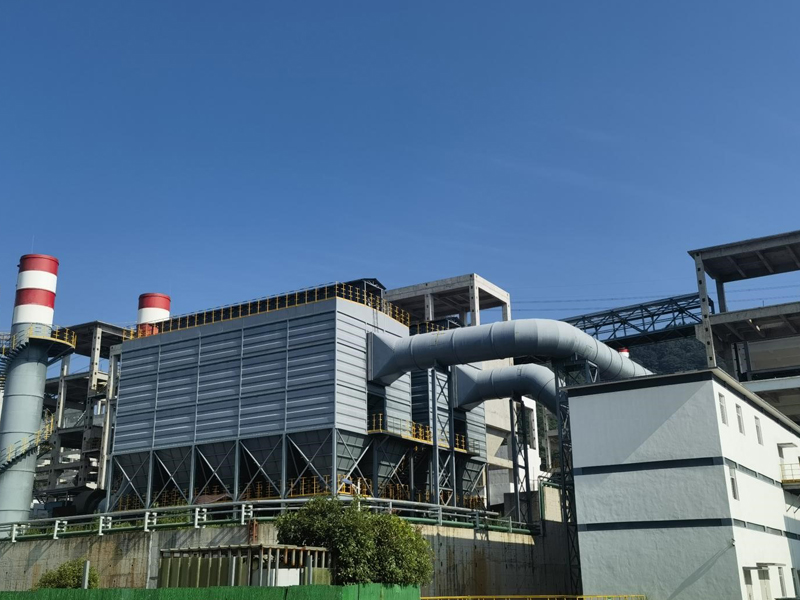
Loss of catalytic activity is usually driven by contaminants, blocked channels, excessive temperature exposure, or poor reagent distribution. Rising outlet NOx, increasing ammonia slip, and abnormal pressure drop should be treated as early diagnostic signals.
Increasing ammonia injection is rarely the correct first response. Operators should verify flue gas temperature, ammonia distribution, catalyst cleanliness, flow conditions, and upstream equipment before deciding whether the catalyst requires cleaning, regeneration, partial replacement, or complete replacement.
What Causes SCR Catalyst Deactivation?
SCR catalyst deactivation is normally caused by several mechanisms acting together rather than a single sudden failure.
Chemical Poisoning
SCR catalyst poisoning occurs when contaminants react with or cover the active sites required for ammonia adsorption and NOx conversion. Common contaminants include alkali metals, arsenic compounds, phosphorus, heavy metals, sulfur compounds, and process-specific impurities.
Alkali metals can neutralize acidic catalyst sites and reduce ammonia adsorption. Research on industrial SCR applications has identified chemical blocking by alkali metals as a major cause of activity loss.
Poisoning is particularly important in plants burning biomass, waste-derived fuel, high-ash coal, or fuels with unstable chemical composition.
Fly Ash Fouling and Channel Blockage
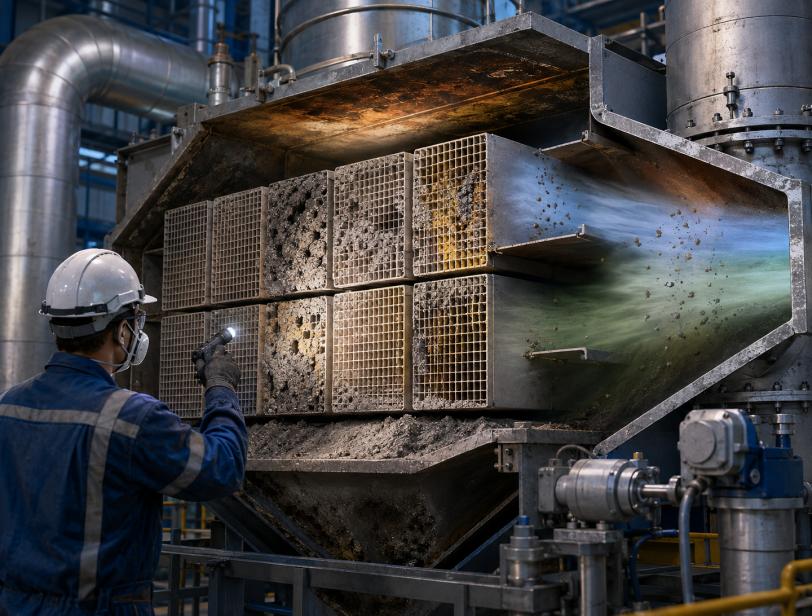
Dust can accumulate on the catalyst surface or block honeycomb channels. This reduces the active surface exposed to the gas and may create uneven flow through the reactor.
Typical causes include:
High inlet dust concentration
Ineffective upstream dust removal
Poor soot-blower coverage
Sticky deposits formed under unsuitable temperature conditions
Large particles entering the catalyst layers
Physical blockage often appears together with increasing reactor differential pressure.
Sulfur-Related Deposits
Sulfur trioxide can react with ammonia and water vapor to form ammonium sulfate or ammonium bisulfate. These compounds may deposit on the catalyst and downstream equipment, especially when the operating temperature is too low.
The resulting deposits restrict catalyst pores, increase pressure loss, and reduce the accessibility of active sites.
Thermal Aging and Mechanical Damage
Long-term operation above the catalyst’s recommended temperature range can change the structure of active components and reduce surface area. Severe temperature excursions may produce irreversible activity loss.
Thermal cycling, ash erosion, vibration, poor support alignment, and improper handling can also crack or wear catalyst modules.
What Are the Warning Signs of Catalyst Activity Loss?
A declining NOx reduction catalyst should be diagnosed through operating trends rather than one isolated measurement.
Higher Outlet NOx Under Comparable Conditions
Compare inlet and outlet NOx at similar load, temperature, gas flow, and ammonia-to-NOx ratio. A gradual decline in conversion efficiency under stable conditions is one of the strongest indicators of reduced catalyst activity.
However, poor ammonia distribution, faulty NOx analyzers, or low reactor temperature can produce similar symptoms and must be ruled out first.
Increasing Ammonia Slip
As catalyst activity decreases, more ammonia may pass through the reactor without reacting. The US EPA notes that ammonia slip generally increases as catalyst activity declines.
Higher ammonia injection combined with little improvement in outlet NOx usually indicates that the problem is not simply insufficient reagent.
Rising Differential Pressure
Increasing pressure drop may indicate blocked catalyst channels, ash accumulation, collapsed modules, or deposits in downstream equipment.
A rapid change often points to physical fouling, while a slow increase may reflect progressive deposit formation.
Uneven Temperature or NOx Profiles
Large differences between reactor zones can indicate poor gas distribution, blocked catalyst sections, damaged turning vanes, or an unbalanced ammonia injection grid.
Poor ammonia-to-NOx distribution can produce high local slip and incomplete NOx removal even when average injection rates appear correct. Field research has shown that improving reagent distribution is important for maintaining removal efficiency while controlling ammonia slip.
How Should Catalyst Performance Be Diagnosed?
Before condemning the catalyst, review the complete operating system.
Check whether the reactor is operating within the catalyst temperature window. Confirm the accuracy of inlet and outlet NOx analyzers, ammonia-flow instruments, temperature sensors, and differential-pressure transmitters.
Inspect the ammonia injection grid for blocked nozzles and uneven distribution. Upstream combustion changes, dust-removal failures, sulfur increases, or fuel changes should also be reviewed.
Catalyst samples can then be tested for remaining activity, chemical contamination, surface area, and mechanical strength. This helps distinguish reversible fouling from irreversible poisoning or thermal damage.
Can an SCR Catalyst Be Cleaned or Regenerated?
Cleaning may restore performance when deactivation is mainly caused by loose ash, soluble deposits, or physical blockage. Options can include controlled vacuum cleaning, compressed-air cleaning, washing, or specialized chemical treatment.
Cleaning should not be performed without checking catalyst material compatibility. Excessive pressure, unsuitable chemicals, or poor drying procedures can damage the catalyst structure.
Regeneration may be practical when contaminants can be removed and active components restored. However, severe poisoning, thermal sintering, structural cracking, or major erosion normally requires partial or complete replacement.
Practical SCR System Maintenance Strategies
An effective SCR system maintenance program should be based on operating trends and contamination risks.
Track NOx conversion, ammonia consumption, ammonia slip, differential pressure, gas temperature, and plant load together. Reviewing these parameters as a group provides more useful information than monitoring outlet NOx alone.
Inspect ammonia nozzles, soot blowers, catalyst seals, support structures, and reactor access points during planned outages. Upstream dust collection and desulfurization equipment should also be maintained because their performance directly affects catalyst life.
For variable fuels or high-dust processes, periodic catalyst sampling can identify chemical contamination before emissions performance falls below the required limit.
Conclusion
Catalyst activity loss should be treated as a system-level problem. Chemical contamination, ash deposits, temperature excursions, poor ammonia distribution, and mechanical damage can produce similar operating symptoms.
Reliable diagnosis combines emissions trends, ammonia slip, differential pressure, temperature profiles, visual inspection, and catalyst testing. This approach prevents unnecessary ammonia consumption and helps plants choose the most economical solution: operational adjustment, cleaning, regeneration, layer replacement, or system modification.
Environtech can evaluate flue gas conditions, catalyst configuration, ammonia distribution, and upstream treatment requirements to develop a more stable industrial SCR solution.
FAQ
What is the most common cause of SCR catalyst failure?
Chemical contamination and ash fouling are common causes, although the dominant mechanism depends on fuel and flue gas composition.
Does high ammonia slip mean the catalyst is damaged?
Not always. It may also result from excessive dosing, low temperature, poor mixing, or inaccurate instrumentation.
Can blocked catalyst channels be cleaned?
Loose ash and some deposits can often be removed. Chemically poisoned or structurally damaged catalyst may require regeneration or replacement.
How often should SCR catalysts be inspected?
Operating data should be reviewed continuously, with physical inspection and sampling scheduled according to dust loading, fuel composition, outage planning, and performance trends.
Should ammonia injection be increased when outlet NOx rises?
Not before checking temperature, analyzers, ammonia distribution, catalyst condition, and upstream process changes. Excess injection may only increase ammonia slip.
 English