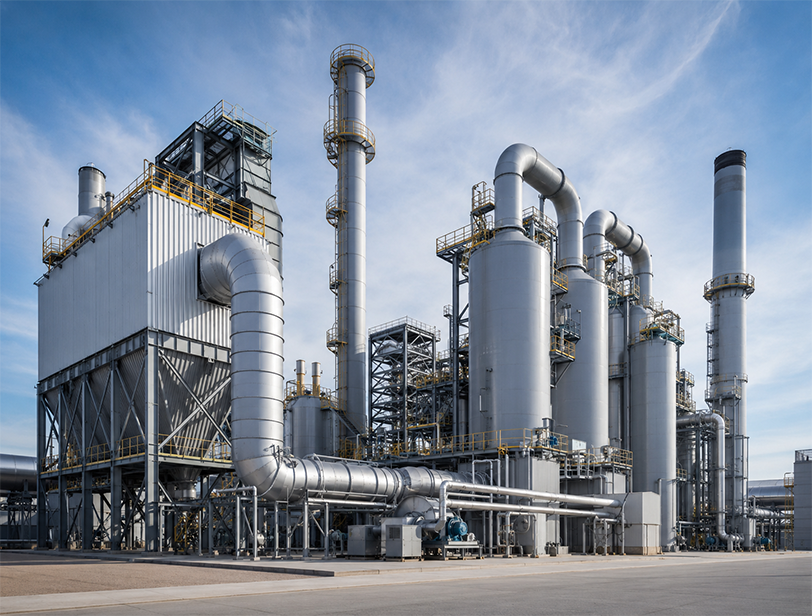
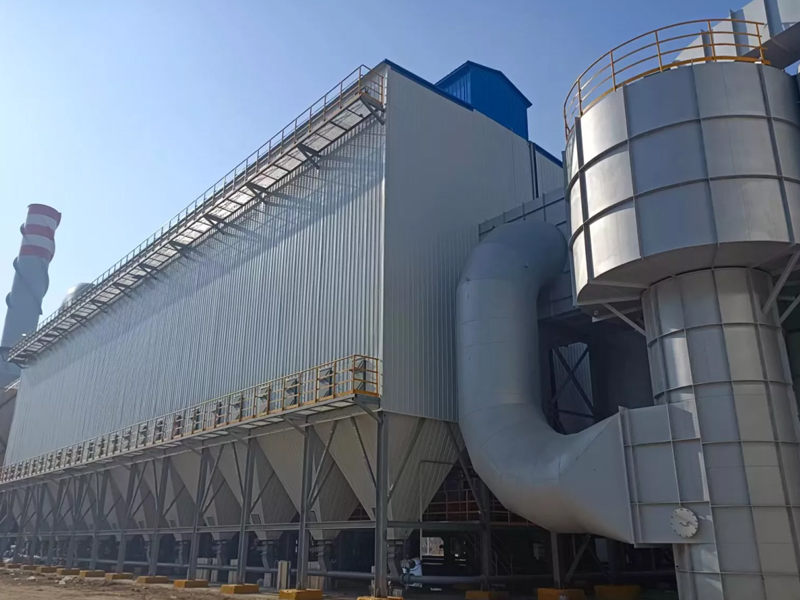
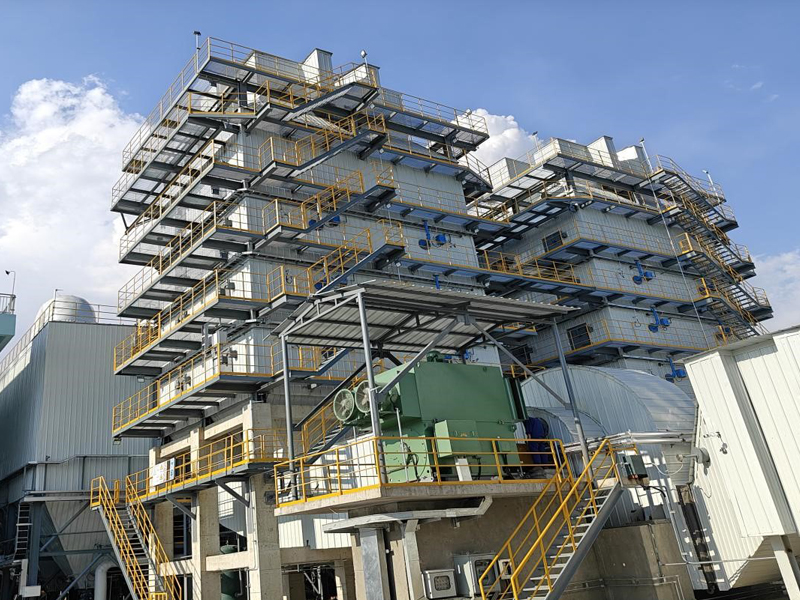
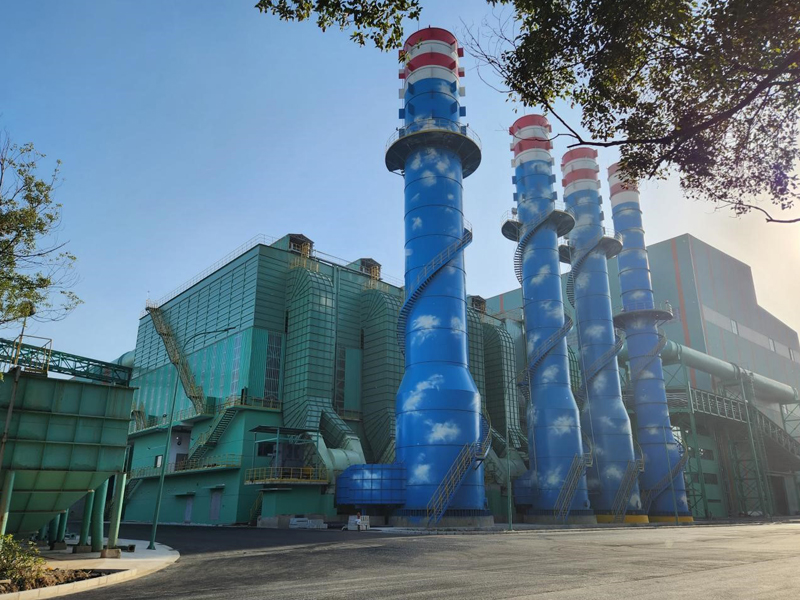
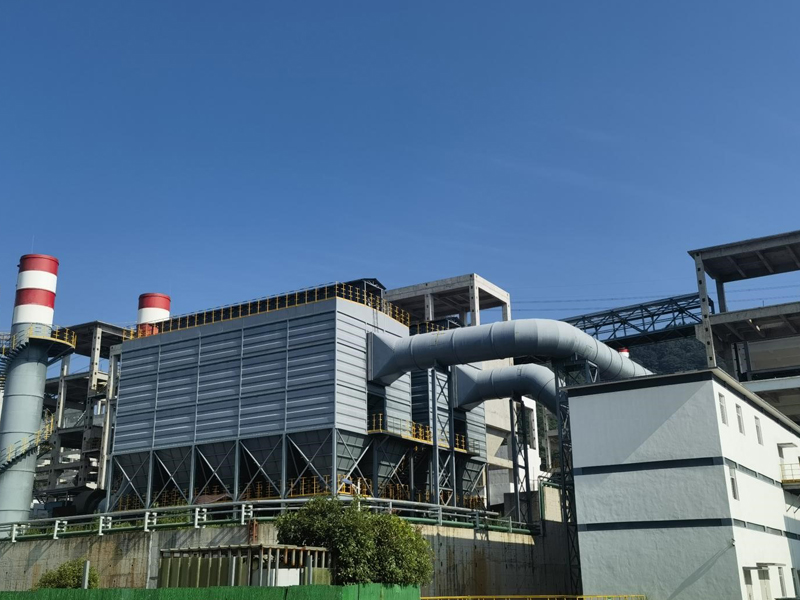
Choose wet technology for high sulfur loads, large continuous operations, and the most demanding removal targets. Choose dry technology when water, space, installation time, or capital investment is limited. Semi-dry technology is often the practical middle ground when a plant needs strong SO₂ control without generating process wastewater.
The final decision should be based on SO₂ mass loading, required outlet concentration, flue gas temperature, operating profile, reagent availability, water balance, waste-disposal costs, and the plant’s remaining service life—not removal efficiency alone.
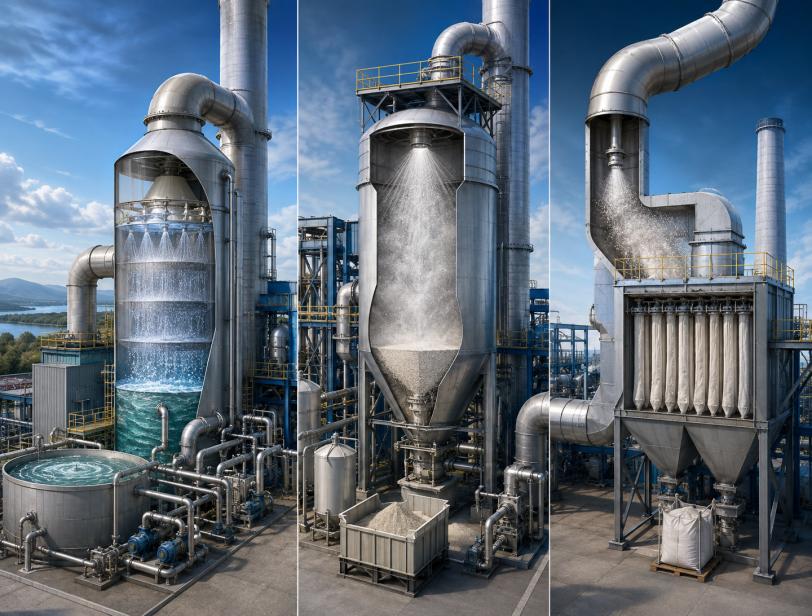
What Is the Difference Between Wet, Dry, and Semi-Dry FGD?
| Factor | Wet FGD | Semi-Dry FGD | Dry FGD |
|---|
| Reaction medium | Limestone or lime slurry | Atomized lime slurry or humidified sorbent | Dry hydrated lime, sodium bicarbonate, or another powdered sorbent |
| Typical application | High SO₂ loading and large base-load plants | Moderate-to-high loading with limited wastewater capacity | Low-to-moderate loading, smaller units, or retrofit projects |
| Water demand | High | Low to moderate | Very low |
| Residue | Gypsum, slurry, and wastewater blowdown | Dry reaction product | Dry reaction product |
| Initial investment | Usually highest | Medium | Usually lowest |
| Main operating concern | Corrosion, scaling, pumps, and water treatment | Atomization, temperature control, and solids collection | Reagent consumption and increased dust loading |
A wet flue gas desulfurization system brings the gas into direct contact with an alkaline slurry. Its efficient gas-liquid mass transfer makes it well suited to high sulfur loads and strict emission limits, but the plant must accommodate circulating pumps, slurry equipment, corrosion-resistant materials, dewatering, and wastewater management.
In dry flue gas desulfurization, finely prepared sorbent is injected into the gas stream and the resulting salts are collected by a bag filter or other particulate-control equipment. The process is compact and relatively easy to retrofit, although reagent cost per tonne of SO₂ removed may be higher.
A semi dry FGD process introduces an atomized slurry while controlling the outlet temperature above saturation. The water evaporates inside the absorber, leaving a dry product for downstream collection. Common configurations include spray dryer absorbers and circulating fluidized-bed systems.
Which FGD Process Removes the Most SO₂?
Wet systems generally provide the highest and most stable removal efficiency across high inlet concentrations and changing fuel sulfur levels. The EPA identifies wet scrubbers as the highest-performing category, while modern dry designs can also approach high removal rates under suitable operating conditions.
However, guaranteed performance depends on more than the process name. Important variables include:
Reagent reactivity and particle size
Calcium- or sodium-to-sulfur ratio
Gas residence time and temperature
Liquid-to-gas ratio
Inlet SO₂ fluctuations
Bag-filter condition and sorbent recirculation
A well-designed semi-dry or sodium-based dry system can therefore outperform a poorly controlled wet installation.
How Should a Plant Select an FGD System?
1. Calculate SO₂ mass loading
Do not select equipment from concentration alone. A plant should evaluate flue gas flow and inlet SO₂ concentration together to determine the actual pollutant mass entering the system.
2. Define the guaranteed operating range
Design data should include normal, minimum, maximum, and upset conditions. Fuel changes and production-load fluctuations can significantly affect reagent consumption and outlet emissions.
3. Review water and wastewater capacity
Wet technology may be unsuitable where water is scarce or wastewater discharge is highly restricted. Semi-dry and dry processes normally produce dry residues and avoid a continuous FGD wastewater stream.
4. Check the existing dust collector
Dry and semi-dry systems increase the solids loading entering the particulate-control unit. The baghouse, conveying system, ash silo, and induced-draft fan must be checked before a retrofit is approved.
5. Compare lifecycle cost
Wet equipment normally requires greater initial investment but can benefit from inexpensive limestone and efficient reagent utilization. Dry technology reduces installation complexity but may consume more costly sorbent. The economical choice depends on annual operating hours, sulfur load, reagent prices, disposal fees, and remaining plant life.
Is Semi-Dry FGD the Best Compromise?
It is often the preferred option for industrial boilers, furnaces, kilns, and metallurgical plants that require high removal performance but cannot support a full wet-treatment and wastewater system.
When comparing semi-dry FGD equipment suppliers, request more than a headline efficiency figure. The proposal should specify inlet design conditions, guaranteed outlet concentration, reagent consumption, approach-to-saturation temperature, pressure drop, water use, residue production, turndown capability, and integration with the dust collector.
Information Required Before Requesting a Proposal
Provide the supplier with flue gas flow, temperature and moisture; normal and peak SO₂ concentrations; dust and acid-gas composition; operating hours; target emissions; existing dust-control equipment; available space; water quality; reagent sources; and residue-disposal requirements. Complete operating data leads to a more reliable technical guarantee and a more accurate lifecycle-cost comparison.
Frequently Asked Questions
Is wet FGD always the best choice?
No. It is usually preferred for high sulfur loads and very large continuous plants, but its water demand and wastewater requirements may make another process more economical.
Does semi-dry FGD generate wastewater?
Normally, no continuous process wastewater is produced because the injected water evaporates and the reaction product leaves as dry solids.
Which process is easiest to retrofit?
Dry sorbent injection is generally the simplest because it requires less major process equipment, although the existing dust collector may need modification.
Can one system remove other acid gases?
Yes. Depending on the reagent and process design, FGD systems may also capture gases such as HCl and HF. Performance must be confirmed against the plant’s actual gas composition.
 English