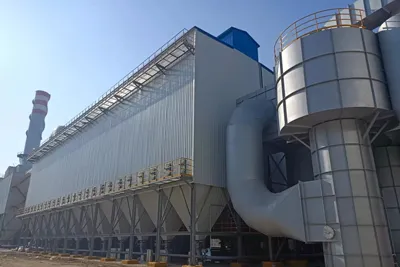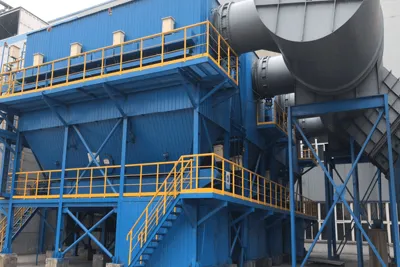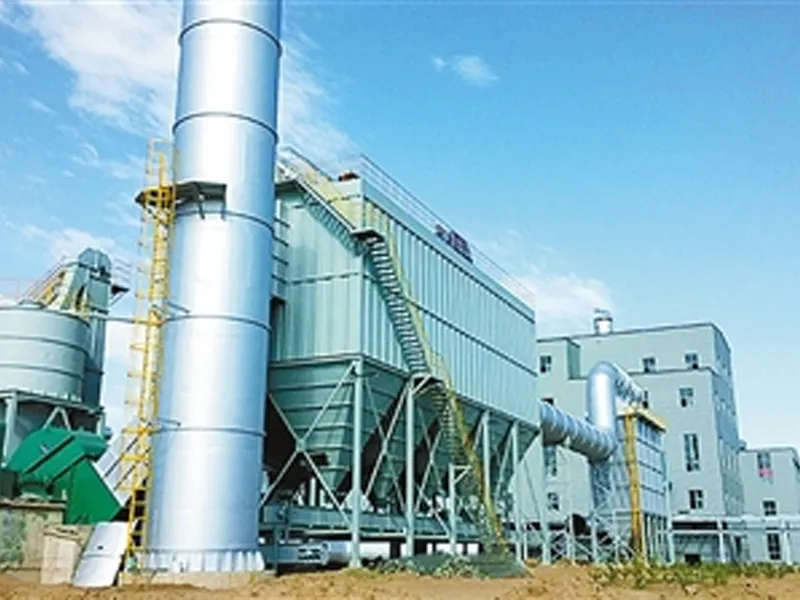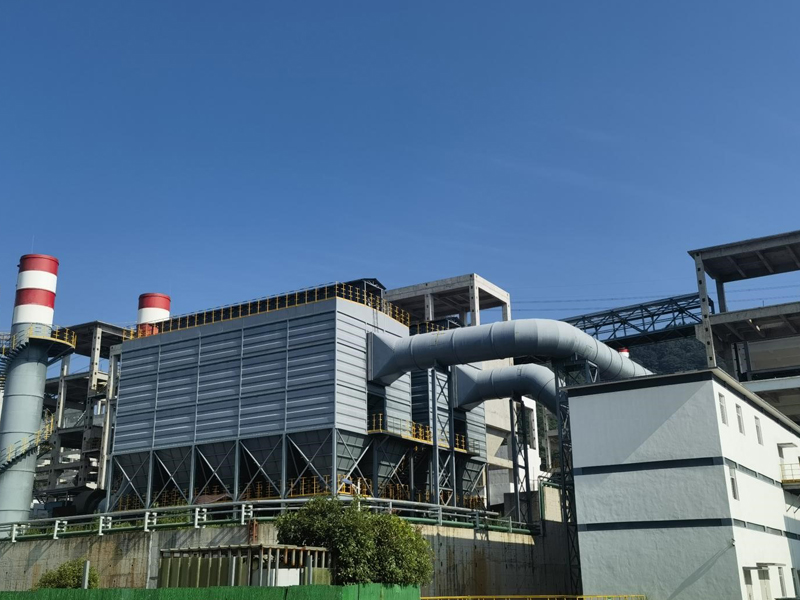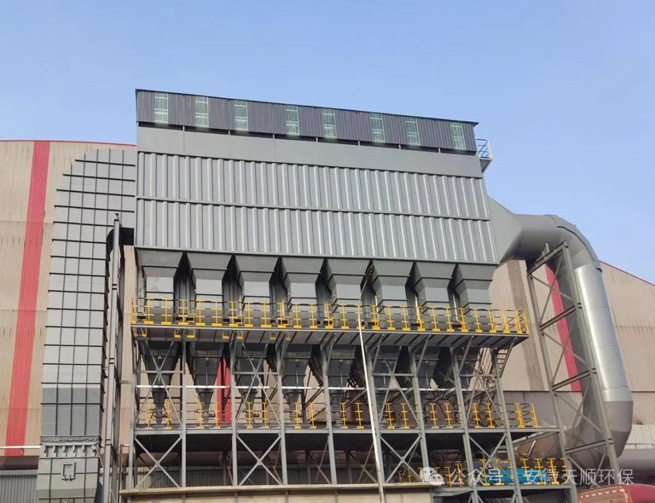
Yao Lin, President of the China Iron and Steel Association and Chairman of China Mineral Resources Group, spoke at the 13th China International Steel Conference held in Shanghai on the 2nd, noting that Chinese steel companies have increased investment, continuously promoted ultra-low emission renovation projects, and actively implemented extreme energy efficiency projects, achieving significant progress.
To promote the high-quality development of China's steel industry, the China Iron and Steel Association has proposed a "1231" industry development goal and a "232" key work promotion system. The "2" in "1231" refers to adhering to the two development themes of green and low-carbon development and intelligent manufacturing; the "3" in "232" refers to continuously promoting three major renovation projects: "ultra-low emissions," "extreme energy efficiency," and "digital transformation."
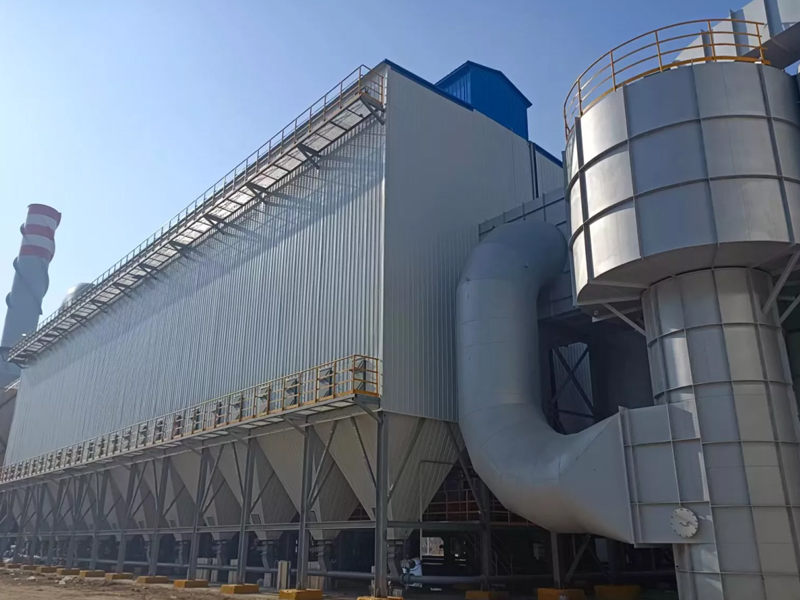
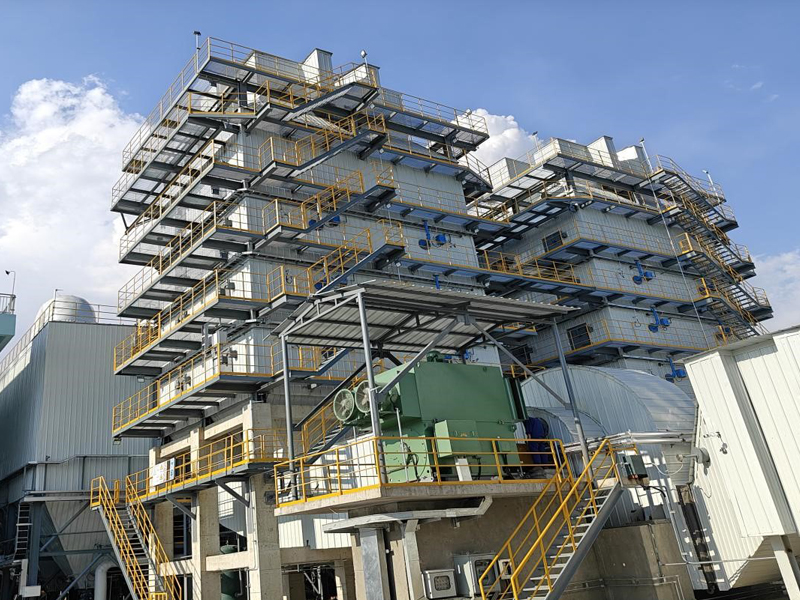
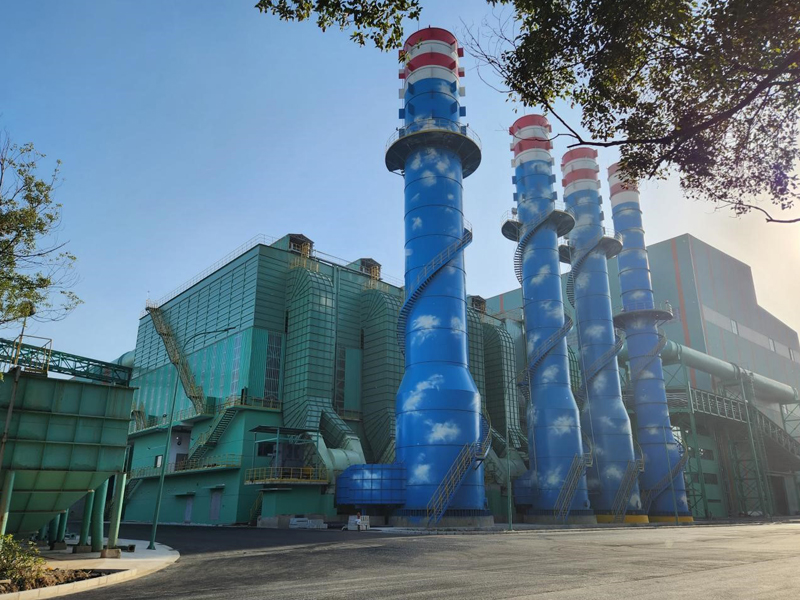
Yao Lin stated that Chinese steel companies have increased investment, continuously promoted ultra-low emission renovation projects, and actively implemented extreme energy efficiency projects, achieving significant progress. As of the end of June this year, a total of 140 steel companies with over 600 million tons of crude steel production capacity had completed or partially completed ultra-low emission renovations and had been publicly announced for assessment and monitoring. The average investment per ton of steel produced by these companies was approximately 466.36 yuan, and the average environmental protection operating cost per ton of steel was approximately 226.45 yuan. In the first half of this year, energy-saving investment by key enterprises accounted for 7.0%, an increase of 0.9 percentage points year-on-year.
Yao Lin stated that statistics from the China Iron and Steel Association (CISA) indicate that in the first half of this year, total energy consumption among key member companies decreased by 1.8% year-on-year, and comprehensive energy consumption per ton of steel fell by 0.16%. Comparable energy consumption per ton of steel, as well as energy consumption in key processes such as sintering, pelletizing, ironmaking, steelmaking, and rolling, all showed a downward trend. This reduction in energy consumption has led to a reduction in carbon emissions and has encouraged a number of leading companies to pursue technological practices and management innovations in energy conservation and carbon reduction.
Yao Lin pointed out that while the development of China's steel industry currently faces challenges and difficulties, we remain relentless in promoting the research and development of ultra-low emissions, extreme energy efficiency, and green, low-carbon technologies. The goal for ultra-low emission transformation is to essentially complete this transformation for steel companies in key regions by 2025, with the goal of achieving transformation for over 80% of production capacity nationwide. The working goal of extreme energy efficiency is: by 2025, the proportion of production capacity above the energy efficiency benchmark (advanced) level in the iron and steel making processes of the steel industry will reach 30%, and the production capacity below the energy efficiency benchmark level will be basically eliminated. The industry will have significant energy-saving and carbon-reduction effects, and its green and low-carbon development capabilities will be greatly improved.
 English