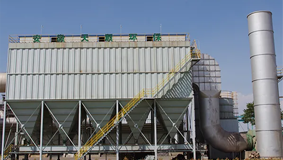
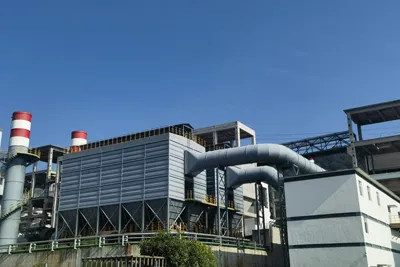
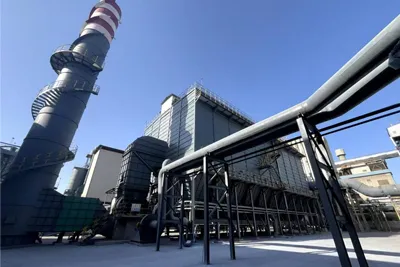
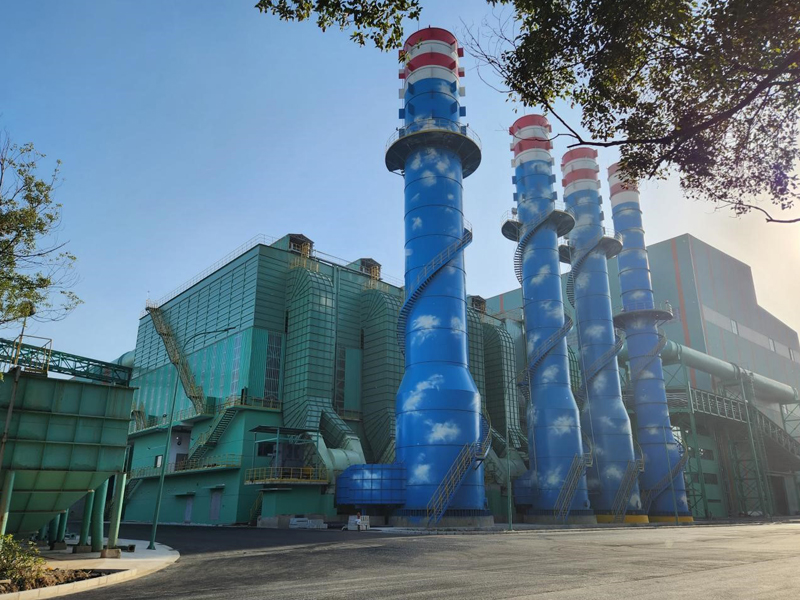
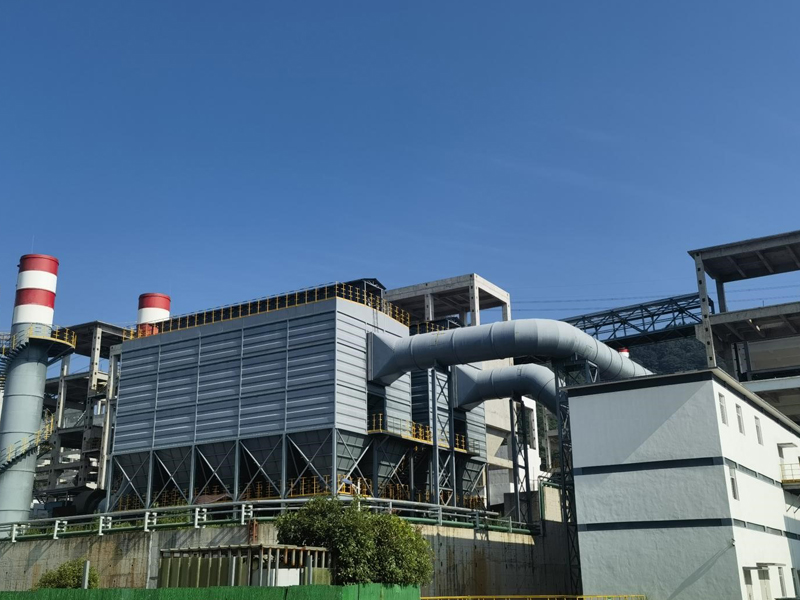
Flue gas treatment is the process of removing or reducing pollutants from exhaust gas generated by industrial combustion and production processes before the gas is released into the atmosphere.
A complete flue gas treatment system may combine gas cooling, dust collection, desulfurization, denitrification, adsorption and final emission monitoring. The specific configuration depends on the fuel or raw material, flue gas volume, temperature, pollutant concentrations and required outlet emission levels.
Industrial plants use flue gas treatment to control particulate matter, sulfur oxides, nitrogen oxides, acidic gases, heavy metals and other process-specific pollutants while maintaining safe and stable production.
What Is Flue Gas?
Flue gas is the exhaust gas produced when fuels or raw materials are burned, heated or processed inside boilers, furnaces, kilns, incinerators and industrial production equipment.
The gas normally leaves the production equipment through ducts and is discharged through a stack after treatment.
Its composition varies according to the fuel, raw material and industrial process. Common components include:
Water vapor may become visible as a white plume when warm, moist exhaust gas meets cooler outdoor air. However, visible water vapor alone does not indicate the complete pollutant content of the gas.
A professional flue gas purification system should therefore be designed according to actual gas analysis rather than the appearance of the stack plume.
Why Is Flue Gas Treatment Important?
Untreated industrial exhaust can contain pollutants that affect ambient air quality, equipment condition and regulatory compliance.
An effective flue gas cleaning process helps industrial facilities:
Reduce particulate and gaseous emissions
Meet applicable emission requirements
Protect downstream equipment from dust and corrosion
Improve workplace and surrounding air quality
Reduce unplanned maintenance and production interruptions
Support cleaner and more sustainable industrial production
For industries operating furnaces, boilers, kilns or incinerators, the treatment system must also remain stable when production load, gas temperature or pollutant concentration changes.
What Pollutants Can Flue Gas Treatment Remove?
Different pollutants require different control technologies. A complete exhaust gas treatment system may therefore include several coordinated treatment stages.
| Pollutant | Common Industrial Sources | Typical Treatment Technology |
|---|
| Particulate matter | Furnaces, boilers, smelting, material processing | Bag filters, electrostatic precipitators, cyclones |
| Sulfur dioxide | Sulfur-containing fuels and raw materials | Wet, dry or semi-dry desulfurization |
| Nitrogen oxides | High-temperature combustion | SCR or SNCR denitrification |
| Acidic gases | Waste incineration and chemical processing | Scrubbers and alkaline absorbents |
| Mercury and heavy metals | Incineration, coal combustion and metallurgy | Activated carbon adsorption and filtration |
| Organic trace pollutants | Waste treatment and chemical production | Activated carbon or process-specific adsorption |
| Carbon monoxide | Incomplete combustion and some industrial processes | Combustion optimization or catalytic treatment |
Because one device cannot effectively remove every pollutant, industrial flue gas treatment technologies are normally selected as part of an integrated system.
How Does the Flue Gas Treatment Process Work?
The exact flue gas treatment process differs between industries, but most systems contain several common stages.
1. Flue Gas Collection
Exhaust gas is first collected from the furnace, boiler, kiln or production equipment.
Hoods, ducts and induced-draft fans transport the gas into the treatment line. The collection system should maintain suitable negative pressure and prevent untreated gas or dust from escaping into the workshop.
2. Temperature Conditioning
High-temperature gas may need to be cooled before entering filter bags, scrubbers, adsorption equipment or catalyst reactors.
Temperature conditioning protects downstream components and creates suitable conditions for chemical reactions and adsorption.
The cooling method may include heat recovery, air dilution, indirect cooling or water-based cooling, depending on the gas composition and subsequent treatment process.
3. Particulate Removal
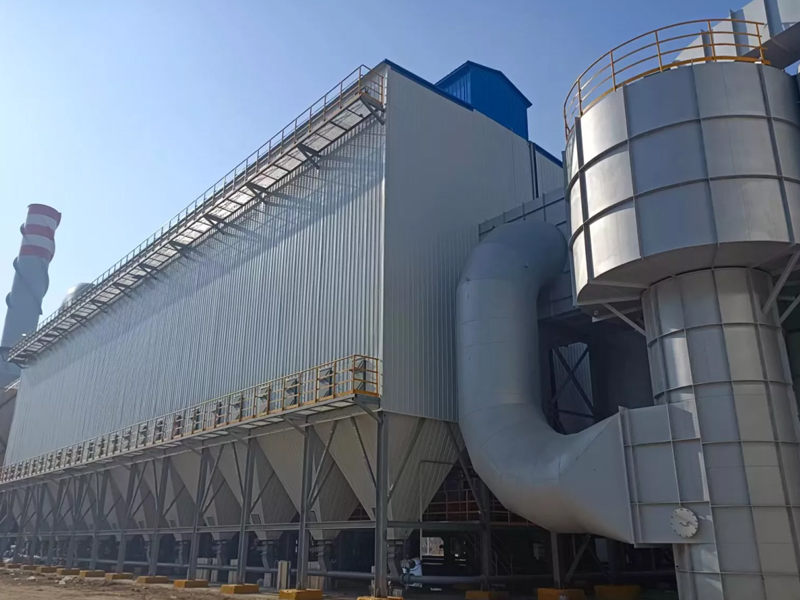
Dust and solid particles are commonly removed before the main gaseous pollutant treatment stages.
Industrial dust removal equipment may include:
Bag filters capture particles on filter media, while electrostatic precipitators electrically charge particles and collect them on electrode plates.
The appropriate technology depends on gas volume, temperature, dust concentration, particle size, moisture and chemical composition.
4. Sulfur Oxide and Acid Gas Removal
Sulfur dioxide and other acidic gases may be treated through wet, dry or semi-dry absorption.
A flue gas desulfurization system brings the polluted gas into contact with an alkaline absorbent, such as limestone, lime or another suitable reagent.
The absorbent reacts with sulfur dioxide and converts it into more stable reaction products. Process selection depends on sulfur concentration, gas volume, water availability, residue management and required removal efficiency.
5. Nitrogen Oxide Reduction
Nitrogen oxides generally require a dedicated denitrification process.
A flue gas denitrification system introduces ammonia, urea or another reducing agent into the exhaust gas.
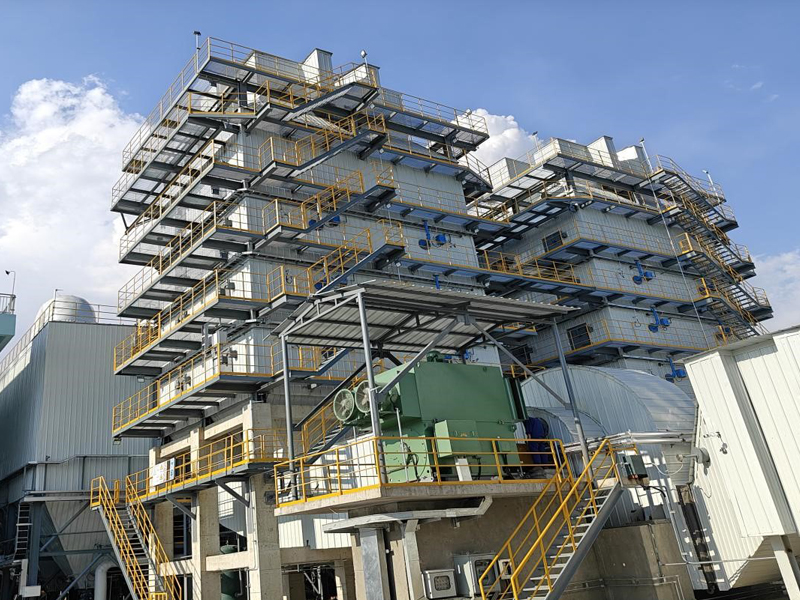
For projects requiring deeper NOx reduction, Selective Catalytic Reduction may be used. In an SCR system, the gas and reducing agent pass through a catalyst reactor, where NOx is converted mainly into nitrogen and water.
SCR performance depends on gas temperature, catalyst formulation, reagent distribution, dust concentration and sulfur content.
6. Adsorption and Final Polishing
Some gas streams contain mercury, dioxins, organic compounds or other trace pollutants that may remain after the main treatment stages.
In these applications, activated carbon flue gas treatment can be used as an additional polishing stage.
Activated carbon adsorbs target pollutants on its porous surface. Powdered carbon is usually injected into the duct and then captured by a bag filter, while granular carbon may be installed in a fixed adsorption bed.
7. Monitoring and Safe Discharge
After treatment, the cleaned gas is monitored before being discharged through the stack.
Depending on the project, monitoring may include:
Monitoring data can also be used to adjust reagent dosing, fan operation and other treatment parameters.
Main Flue Gas Treatment Methods
The main flue gas treatment methods include physical separation, chemical absorption, catalytic reduction and adsorption.
Physical Separation
Physical separation removes dust and solid particles from the gas stream.
Cyclones are generally used for larger particles, while bag filters and electrostatic precipitators provide finer particulate control.
Chemical Absorption and Neutralization
Chemical absorption uses liquid or dry alkaline reagents to react with sulfur dioxide and acidic gases.
Wet scrubbers, dry sorbent injection and semi-dry spray systems are common examples.
Catalytic Reduction
Catalytic reduction is mainly used for NOx control.
Ammonia or urea reacts with nitrogen oxides in the presence of a catalyst, converting them into nitrogen and water under suitable operating conditions.
Adsorption
Adsorption uses materials such as activated carbon to capture mercury, organic compounds, dioxins and other trace pollutants.
It is usually applied as a supplementary stage within a larger flue gas cleaning system.
What Equipment Is Included in a Flue Gas Treatment System?
A complete industrial system may contain:
Gas collection hoods
Flue gas ducts
Cooling and conditioning equipment
Bag filters or electrostatic precipitators
Desulfurization towers
Denitrification reactors
Activated carbon injection systems
Induced-draft fans
Reagent storage and dosing equipment
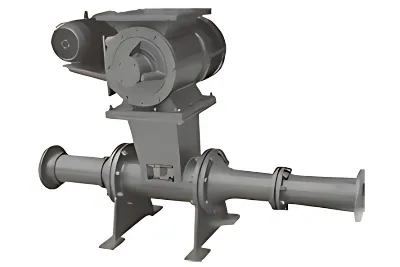
Ash and residue discharge devices
Online monitoring instruments
Automatic control systems
Chimneys and discharge structures
Not every project requires all of this equipment. The configuration should match the actual pollutants and operating conditions.
How to Select a Flue Gas Treatment System
Before selecting equipment, buyers should provide accurate process and emission data.
Flue Gas Flow Rate
Gas flow determines equipment size, filtration area, duct dimensions, fan power and reaction capacity.
The system should consider both normal and maximum operating conditions.
Gas Temperature
Temperature affects filter media, catalyst performance, adsorption capacity and material selection.
Large temperature fluctuations may require additional cooling or automatic control.
Pollutant Concentrations
The supplier should know the inlet concentrations of dust, SO₂, NOx, acidic gases, heavy metals and other target pollutants.
These values determine which treatment stages are required.
Required Outlet Emissions
The required outlet concentration influences equipment configuration, reagent dosing, filtration level and the need for final polishing.
Projects with stricter limits may require multiple treatment stages.
Dust and Gas Characteristics
Dust may be abrasive, sticky, corrosive, combustible or hygroscopic. The gas may also contain moisture, sulfur compounds or components that affect catalysts and filter media.
These characteristics should be considered during system design.
Site Conditions
Available space, power supply, water supply, compressed air, wastewater capacity and maintenance access all influence equipment selection.
For retrofit projects, the system should also minimize unnecessary changes to the existing production line.
Lifecycle Cost
Buyers should evaluate more than the initial equipment price.
The total cost includes:
Electricity consumption
Reagent consumption
Filter and catalyst replacement
Maintenance labor
Waste and residue disposal
Spare parts
Potential production downtime
A properly designed system can provide more stable long-term performance than equipment selected only according to purchase price.
Typical Industrial Applications
Power Plants and Industrial Boilers
Boilers may generate dust, SO₂ and NOx. The system can combine particulate filtration, desulfurization and denitrification according to the fuel and emission targets.
Metallurgical and Smelting Plants
Steel, ferroalloy, silicon and non-ferrous metal processes can generate high-temperature, dust-intensive gas streams.
These applications often require high-capacity dust collection and coordinated gaseous pollutant treatment.
Cement, Lime and Industrial Kilns
Kilns operate continuously and may generate particulate matter and nitrogen oxides.
System design should consider temperature, dust loading, production fluctuations and long operating hours.
Waste Incineration and Waste-to-Energy Plants
Flue gas treatment in waste-to-energy plants may include cooling, acid-gas neutralization, activated carbon injection and high-efficiency particulate filtration.
The system may need to control dust, hydrogen chloride, sulfur dioxide, mercury, dioxins and other process-specific pollutants.
Chemical and Material Processing
Chemical production may generate acidic, corrosive or organic pollutants.
The treatment route should be selected according to gas composition, material compatibility and required outlet emissions.
Why Choose Tianshun for Flue Gas Treatment?
Customized Engineering
Tianshun designs each flue gas treatment system according to the client’s production process, gas parameters, pollutant profile and site conditions.
This avoids forcing different industrial applications into one standard configuration.
Integrated Treatment Capabilities
Tianshun’s capabilities cover dust removal, desulfurization, denitrification, adsorption and integrated gas purification.
Different treatment modules can be coordinated within one system.
Intelligent Monitoring and Control
Automatic control can adjust fans, reagent dosing and equipment operation according to changes in gas flow, temperature and pollutant concentration.
This supports stable treatment while reducing unnecessary energy and material consumption.
Equipment and Project Support
Tianshun can provide support covering process evaluation, system design, equipment manufacturing, installation guidance, commissioning and maintenance planning.
This helps clients coordinate the different stages of an industrial emission-control project.
Conclusion
Flue gas treatment is the coordinated removal of particulate matter, sulfur oxides, nitrogen oxides, acidic gases, heavy metals and other pollutants from industrial exhaust.
A reliable system may combine gas collection, temperature conditioning, dust removal, desulfurization, denitrification, adsorption and final monitoring.
Because industrial gas conditions differ significantly, the correct flue gas treatment system should be selected according to gas volume, temperature, pollutant concentrations, site conditions and required outlet emissions.
Tianshun provides customized flue gas purification solutions for boilers, furnaces, kilns, incinerators, metallurgy and other industrial applications. Contact Tianshun with your gas parameters and emission targets to receive a project-specific technical proposal.
Frequently Asked Questions
What is flue gas treatment?
Flue gas treatment is the process of removing dust, sulfur oxides, nitrogen oxides, acidic gases, heavy metals and other pollutants from industrial exhaust before discharge.
What is the difference between flue gas and exhaust gas?
Flue gas generally refers to exhaust produced by combustion and discharged through a flue or stack. Exhaust gas is a broader term that can include emissions from combustion and other industrial processes.
What are the main stages of flue gas treatment?
The main stages may include gas collection, cooling, dust removal, desulfurization, denitrification, adsorption, monitoring and safe discharge.
Can one flue gas treatment system remove all pollutants?
A single device normally cannot remove every pollutant. However, an integrated system can combine several technologies to control dust, SO₂, NOx, acidic gases and trace pollutants.
What information is required to design a treatment system?
The supplier normally needs gas flow, temperature, dust concentration, SO₂ and NOx concentrations, moisture, oxygen content, operating hours, required outlet limits and available installation space.
 English