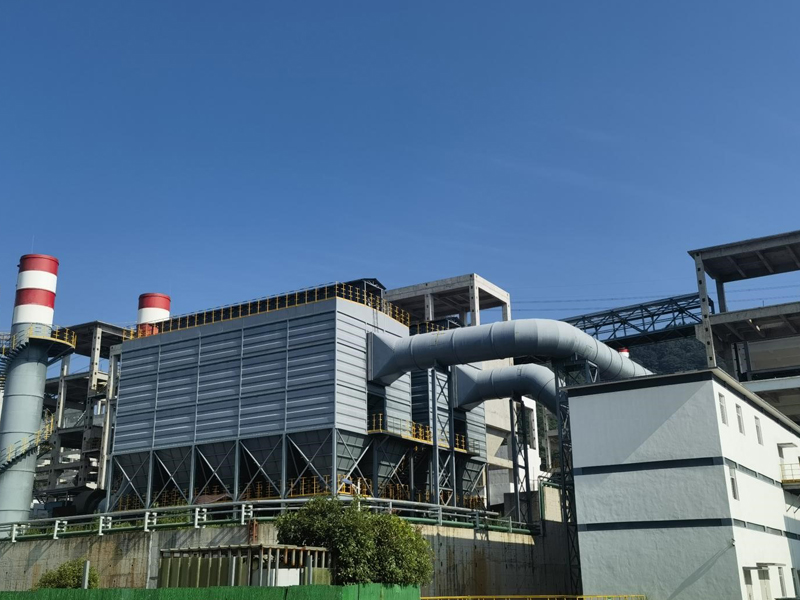
Industrial expansion has significantly increased the volume and complexity of atmospheric emissions. Flue gas generated from electric furnaces, ferroalloy production, and metallurgical processes typically contains high-temperature gases, fine particulates, and chemically reactive components. These emissions must be effectively treated before release to ensure environmental compliance and protect air quality.
In this context, advanced exhaust gas treatment equipment plays a vital role in delivering reliable air quality solutions. Through the application of integrated environmental filtering technologies, modern systems function as efficient air pollution filters, supporting large scale air purification in demanding industrial environments.
System-Oriented Design in Flue Gas Treatment
Flue gas treatment today is defined by system integration rather than isolated equipment. Industrial emissions vary widely in temperature, flow rate, and composition, requiring flexible and coordinated treatment processes. A system-based approach ensures that gas collection, transport, and purification operate as a unified whole.
By optimizing airflow distribution and system resistance, modern designs improve overall efficiency while reducing energy consumption. Effective pressure control and sealing mechanisms further enhance performance, ensuring that untreated gas does not escape into the environment. These features are essential for achieving stable and efficient environmental and pollution control.
Advanced systems are also designed to adapt to fluctuating operating conditions. Whether dealing with intermittent furnace emissions or continuous high-load processes, the ability to maintain consistent treatment performance is a key requirement for any filter for air pollution.
Engineering Requirements and Performance Characteristics
The effectiveness of a flue gas treatment system depends on several critical engineering factors. High-temperature resistance, structural durability, and efficient particle capture are fundamental to long-term operation. Industrial environments, particularly in metallurgical applications, often involve abrasive dust and corrosive gases, placing significant demands on equipment design.
Modern systems address these challenges through optimized structural layouts and the use of advanced materials. Improved airflow organization ensures uniform gas distribution, which enhances filtration efficiency and reduces localized wear. At the same time, low-resistance designs help minimize energy consumption, making the system more sustainable.
Pressure control is another important consideration. Negative-pressure operation is widely used to improve gas capture efficiency and prevent leakage. This approach not only enhances performance but also contributes to safer and more stable operation of air pollution filter systems.
Flue Gas Treatment Solutions for Industrial Furnaces
A key aspect of modern flue gas treatment lies in the development of application-specific systems. Industrial furnaces, particularly those used in ferroalloy production, present unique challenges due to high temperatures, large gas volumes, and complex emission characteristics.
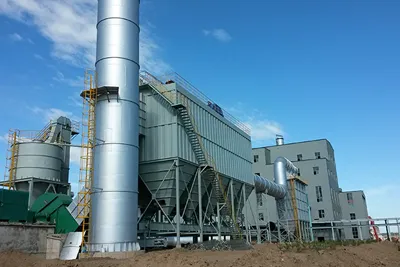
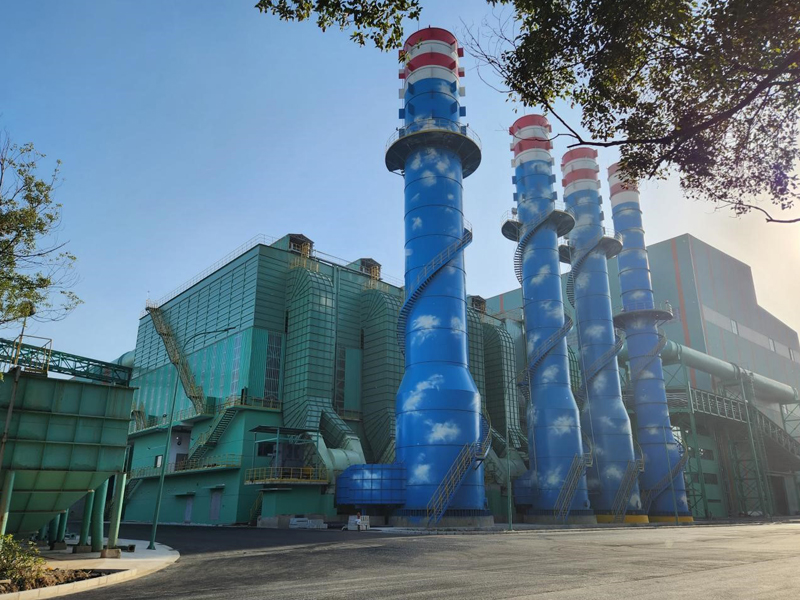
The Large-scale Electric Furnace Flue Gas Treatment System is designed for high-capacity operations, capable of handling continuous emissions under demanding conditions. Its robust structure and optimized flow design ensure reliable performance in large industrial settings.
For ferroalloy processes, the Flue Gas Treatment for Ferroalloy Submerged Arc Furnace provides a specialized solution that addresses high dust concentrations and variable gas compositions. This system ensures stable environmental filtering even under fluctuating operating conditions.
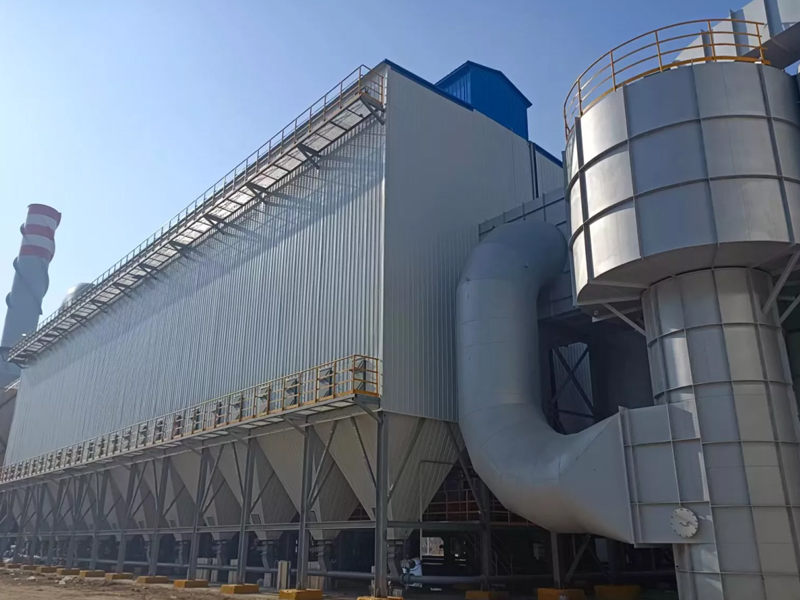
The FYDC Negative-pressure Large Bag Dust Collector for Ferrosilicon Furnace introduces a negative-pressure design that improves gas capture and reduces leakage. This enhances overall system efficiency and supports more effective filter air pollution performance.
Another advanced solution is the LCDM Long-bag Low-pressure Pulse Bag Filter, which combines extended filter length with low-pressure pulse cleaning. This design reduces energy consumption while maintaining high filtration efficiency, making it suitable for large scale air purification.
The Smoke Purification System for Submerged Arc Furnace is engineered to handle intermittent emissions and complex gas flows. Its integrated design ensures consistent treatment performance across varying operational conditions.
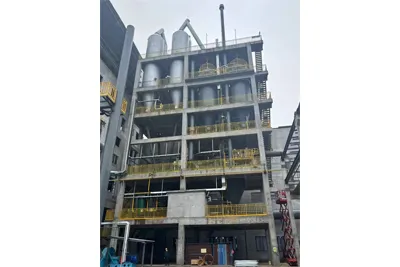
For high-capacity metallurgical applications, the 66000KVA Closed Silicon Manganese Furnace Coal Gas Purification system offers both gas cleaning and recovery capabilities. By enabling the reuse of purified gas, it improves overall process efficiency and supports more sustainable industrial operations.
These systems reflect a shift toward highly specialized and application-driven environmental solutions, where each design is tailored to specific industrial requirements.
Technical Advantages and System Optimization
One of the defining features of advanced flue gas treatment systems is their ability to balance performance with efficiency. Optimized airflow design reduces pressure loss and improves filtration effectiveness, while advanced cleaning mechanisms ensure stable long-term operation.
Tianshun demonstrates strong capabilities in this area through its focus on customized engineering and system optimization. Its solutions are designed to handle extreme conditions, including high temperatures and heavy dust loads, while maintaining consistent performance. This level of reliability is essential for industries that operate continuously and require uninterrupted emission control.
Another important advantage lies in lifecycle performance. From system design to installation and operation, careful attention to detail ensures that each component functions efficiently within the overall system. This integrated approach reduces maintenance requirements and enhances long-term stability, making the system a dependable air quality solution.
Innovation and Future Development
As environmental standards continue to tighten, flue gas treatment technologies are evolving to meet higher performance requirements. Digital monitoring and intelligent control systems are becoming increasingly important, allowing real-time optimization of system operation.
Advanced materials and improved filtration technologies are also contributing to better performance and durability. These innovations enable systems to operate more efficiently while maintaining high levels of pollutant removal.
Tianshun continues to invest in technological development, integrating intelligent control and energy-efficient design into its systems. This commitment to innovation ensures that its environmental filtering solutions remain effective in increasingly demanding industrial environments.
Industrial and Environmental Impact
Effective flue gas treatment is essential for reducing industrial emissions and improving air quality. By implementing advanced filter air pollution systems, industries can significantly lower their environmental impact while meeting regulatory requirements.
In addition to environmental benefits, these systems provide economic advantages. Improved efficiency, reduced energy consumption, and lower maintenance costs contribute to better overall performance. Reliable treatment systems also enhance operational stability, which is critical for large-scale industrial production.
As industries continue to prioritize sustainability, the role of advanced exhaust gas treatment equipment becomes increasingly important in achieving both environmental and economic goals.
Conclusion
Flue gas treatment has become a fundamental component of modern industrial operations. With the growing complexity of emissions and stricter environmental standards, the need for advanced and integrated systems continues to increase.
Through its strong engineering expertise and specialized product portfolio, Tianshun provides high-performance environmental solutions tailored to industrial furnace applications. Its focus on system integration, efficiency, and innovation ensures effective large scale air purification and reliable long-term operation.
As industries move toward cleaner production, advanced flue gas treatment systems will remain essential in delivering sustainable and efficient air quality solutions.
 English
.webp "Selective Catalytic Reduction")