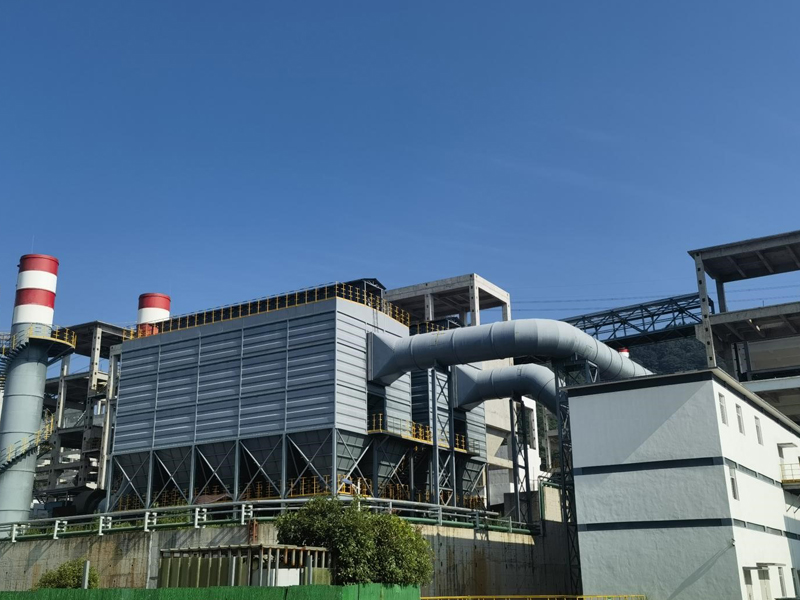
Nitrogen oxides are among the most important pollutants generated by boilers, furnaces, kilns, incinerators, metallurgical processes, and high-temperature industrial production. For factories facing strict emission limits, flue gas denitrification is a key technology for reducing NOx before exhaust gas is discharged.
A properly engineered DeNOx system supports compliance, protects downstream equipment, and improves the environmental profile of the whole production line. In many projects, flue gas denitrification is combined with dust removal and desulfurization to create a complete industrial air purification route.
The EPA selective catalytic reduction fact sheet explains that SCR can provide high NOx reduction performance when applied correctly. For industrial plants, the main question is how to match the technology with actual flue gas conditions.
What Is Flue Gas Denitrification?
flue gas denitrification refers to the removal or conversion of nitrogen oxides from industrial exhaust gas. The purpose is nox removal, meaning the system reduces NO and NO2 emissions before they enter the atmosphere.
In many industrial applications, denitrification is achieved by injecting ammonia or urea into the flue gas and allowing it to react with NOx under controlled conditions. With the help of a catalyst or suitable temperature window, NOx is converted mainly into nitrogen and water vapor.
Tianshun designs DeNOx systems as part of a broader air pollution control system. This means the system is not isolated from the production line. It must match gas temperature, dust level, flow rate, NOx concentration, operating schedule, and downstream treatment units.
Why Do Industrial Plants Need NOx Removal?
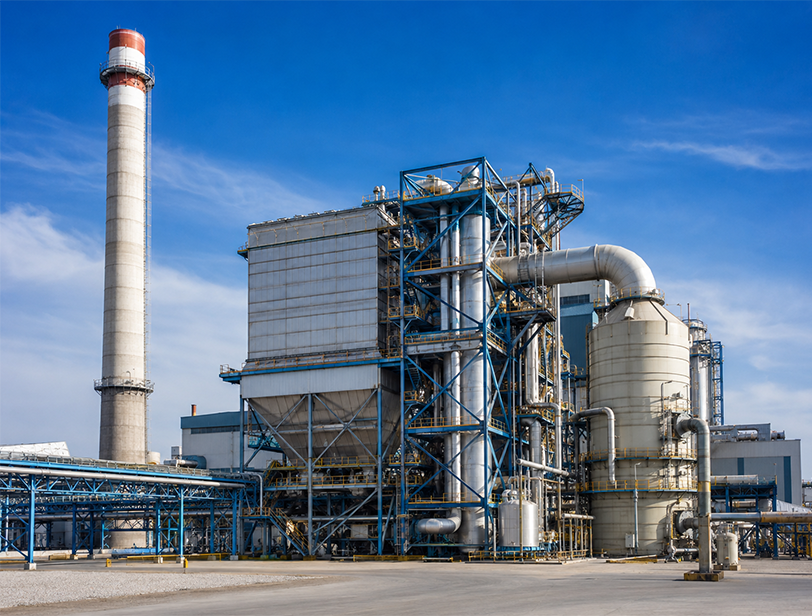
nox removal is important because nitrogen oxides contribute to smog, acid deposition, fine particle formation, and stricter regulatory pressure. For factories, failure to control NOx can lead to emission penalties, production restrictions, and reputational risk.
Industrial plants also need stable nox reduction system performance because operating conditions are not always constant. Temperature, gas flow, oxygen content, dust load, and furnace load may change during daily production. A system that only works under ideal conditions may not be reliable in real operation.
A customized pollution control equipment solution helps plants keep NOx emissions under control while maintaining production continuity. This is especially important for metallurgy, power generation, silicon materials, cement, glass, chemical manufacturing, and waste treatment industries.
How Does a DeNOx System Work?
The general process begins with reagent injection. Ammonia or urea is accurately sprayed into the flue gas stream. The gas and reagent must be fully mixed before reaching the reaction zone, because uneven mixing can reduce efficiency and cause ammonia slip.
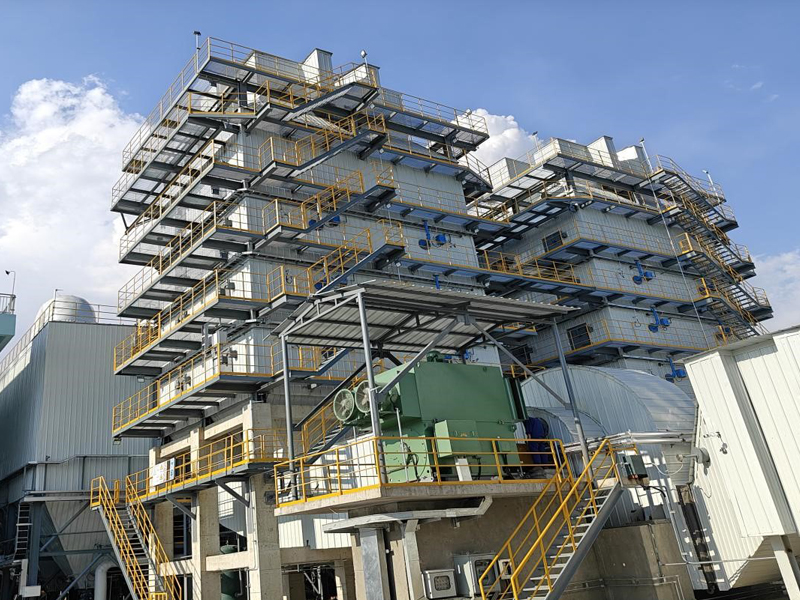
In a selective catalytic reduction system, the mixed gas then passes through a selective catalytic reactor. Inside the reactor, a nox reduction catalyst promotes the conversion of NOx into nitrogen and water at the proper temperature. This approach is widely used when high removal efficiency and stable performance are required.
In some projects, other routes such as SNCR may be considered, but SCR is often preferred when the plant needs deeper nox removal from flue gas, lower outlet concentration, and better long-term control.
SCR vs Other NOx Reduction Methods
SCR usually offers higher reduction potential because the catalyst lowers the reaction requirement and improves conversion efficiency. It is suitable for projects with stricter emission targets, stable high-volume gas streams, and long operating hours.
SNCR does not use a catalyst and depends more heavily on a suitable temperature window. It can be simpler, but performance may vary if the furnace temperature or gas residence time changes. For plants needing deeper NOx control, SCR is often the more reliable long-term option.
The final choice should consider emission limits, gas temperature, dust loading, available space, budget, maintenance plan, and integration with existing ducts. A good industrial air pollution control plan should compare both technical performance and lifecycle cost.
How to Choose a NOx Reduction System for Industrial Emissions
To choose a suitable nox reduction system, buyers should first provide gas volume, NOx concentration, temperature range, dust concentration, SO2 level, oxygen content, moisture content, operating hours, and target outlet limit. These values determine reactor size, catalyst type, reagent consumption, and control strategy.
If the gas contains high dust or sulfur components, upstream treatment may be required before SCR to protect catalyst life. For this reason, DeNOx design is often connected with flue gas treatment system planning rather than handled as a separate purchase.
Tianshun can provide custom flue gas purification solutions according to site layout, process requirements, regional emission standards, and project budget. The goal is not only to reduce NOx but also to build a stable, maintainable, and upgrade-ready emission control system.
Conclusion
flue gas denitrification is essential for industrial plants that need to control NOx emissions from boilers, furnaces, kilns, and thermal production processes. The right DeNOx system should be selected according to gas data, emission targets, catalyst requirements, and integration with the whole treatment line.
For factories seeking dependable solutions to reduce air pollution, Tianshun provides customized denitrification systems, SCR technology support, and integrated flue gas treatment engineering for long-term environmental compliance.
FAQ
Q1: What is the main purpose of flue gas denitrification?
The main purpose is to reduce NOx emissions by converting nitrogen oxides into less harmful components before the flue gas is discharged.
Q2: When should a plant choose SCR for NOx control?
SCR is often suitable when the plant needs high NOx removal efficiency, stable compliance, and long-term operation under strict emission standards.
Q3: Can denitrification be combined with desulfurization and dust removal?
Yes. Many industrial projects combine denitrification, desulfurization, and dust removal to form a complete flue gas treatment system.
 English