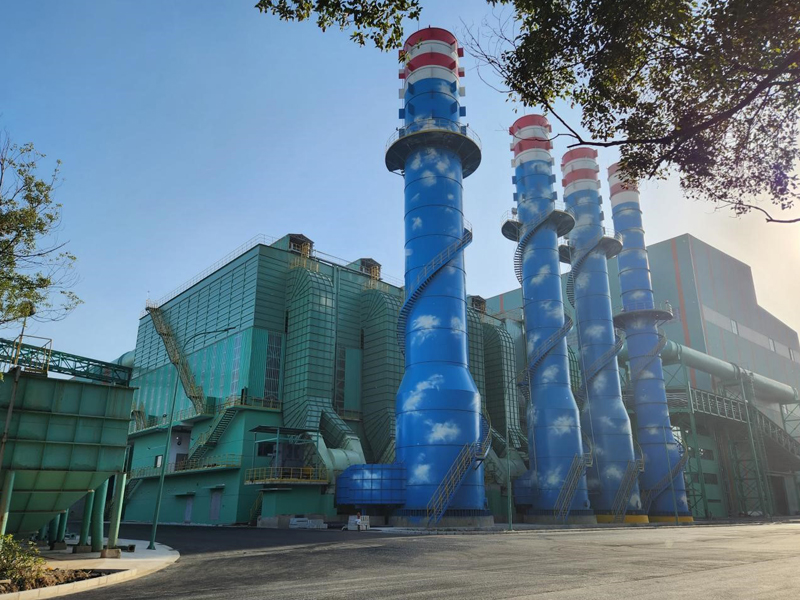
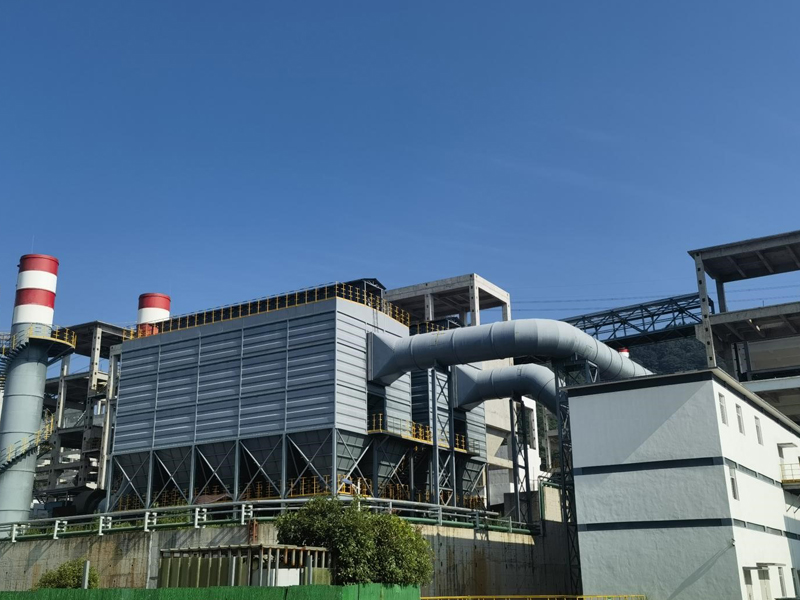
Industrial plants that burn coal, coke, biomass, fuel oil, or process sulfur-containing materials often face strict sulfur dioxide limits. For these sites, choosing the right desulfurization equipment is not only an environmental decision. It also affects production stability, operating cost, corrosion control, and long-term compliance.
A well-designed flue gas desulfurization equipment solution removes SO2 before exhaust gas is released to the atmosphere. In heavy industries such as metallurgy, silicon production, chemical processing, boilers, and power generation, the system must be matched to flue gas volume, pollutant concentration, site layout, water availability, and local emission requirements.
For reference, the EPA flue gas desulfurization fact sheet classifies FGD as an air pollution control technology for sulfur dioxide control. In actual projects, however, the best solution depends on detailed engineering rather than a single standard model.
What Is Flue Gas Desulfurization Equipment Used For?
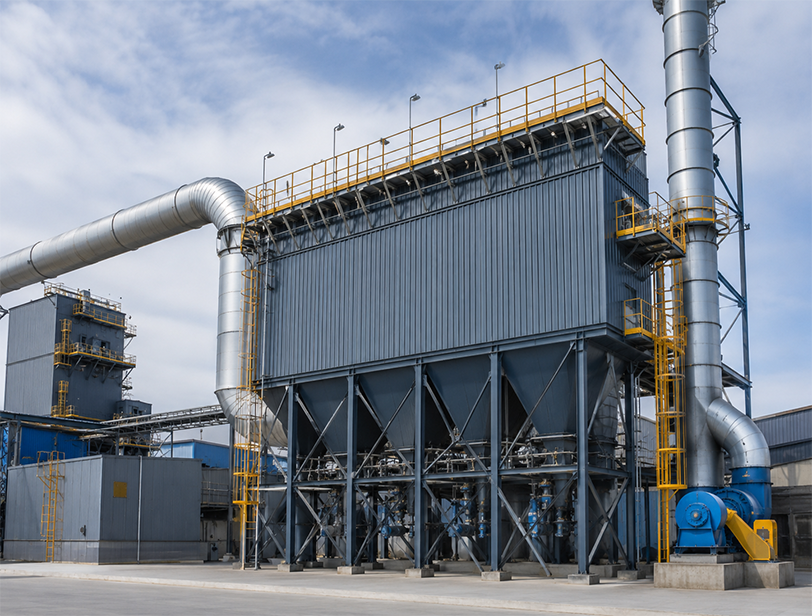
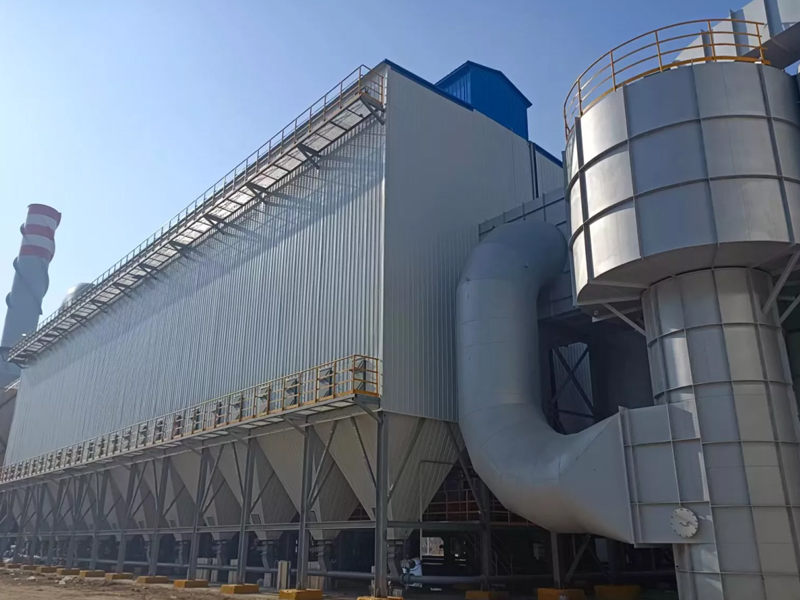
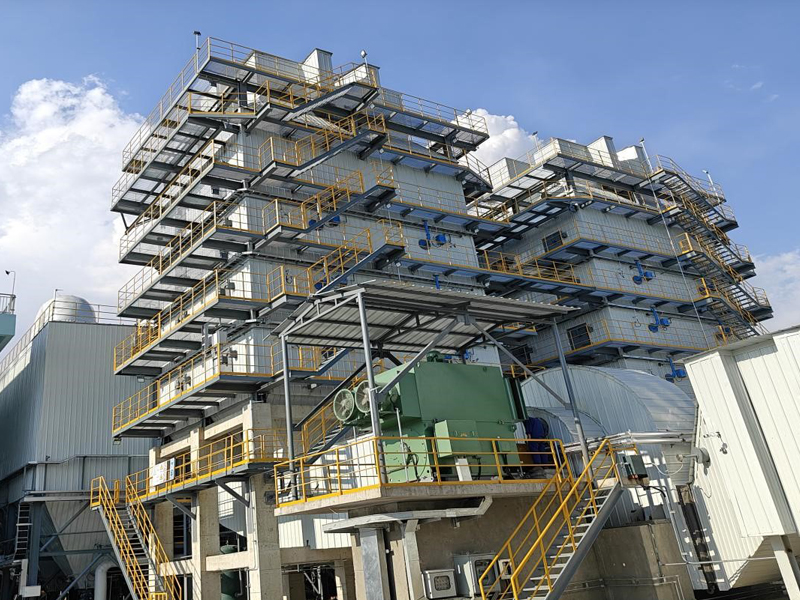
flue gas desulfurization equipment is used to remove sulfur dioxide and other acidic gases from industrial exhaust streams. The core purpose is sulfur dioxide removal, but a complete system may also help reduce mist, acid droplets, fine particles, and corrosive gas components.
In a typical flue gas desulfurization process, untreated flue gas enters a reaction zone where it contacts an alkaline absorbent. The absorbent reacts with SO2 and converts it into more stable compounds. After gas-liquid contact and demisting, the treated gas can be discharged or sent to downstream treatment units.
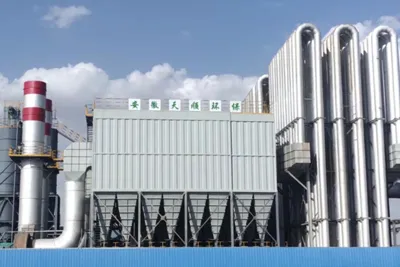
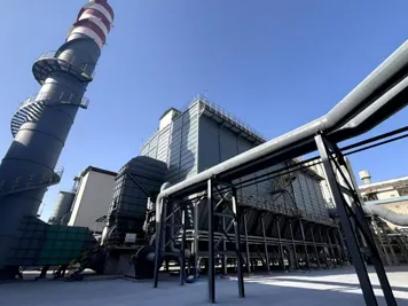
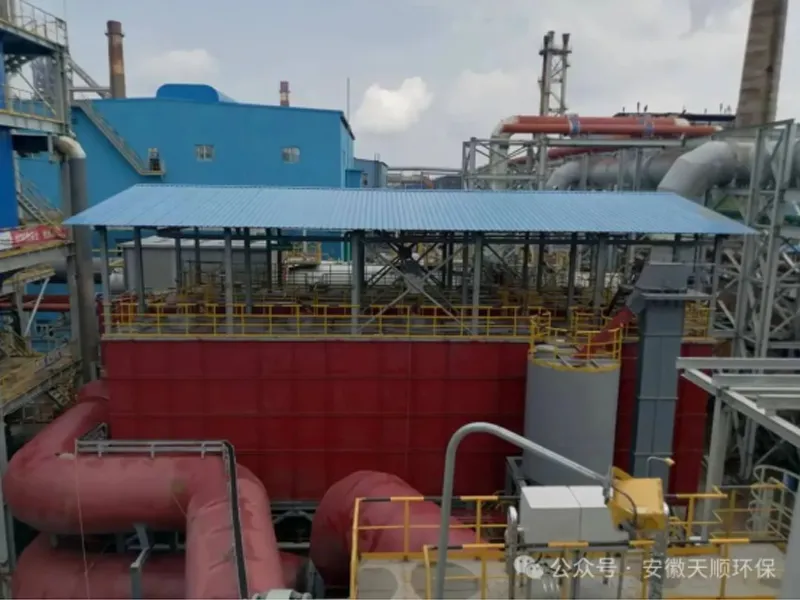
Tianshun designs desulfurization system solutions for industrial facilities that need stable operation under continuous production conditions. Instead of treating FGD as a single device, the system should be understood as a complete emission control project that includes absorber design, slurry circulation, demisting, ducts, fans, pumps, instruments, and automation.
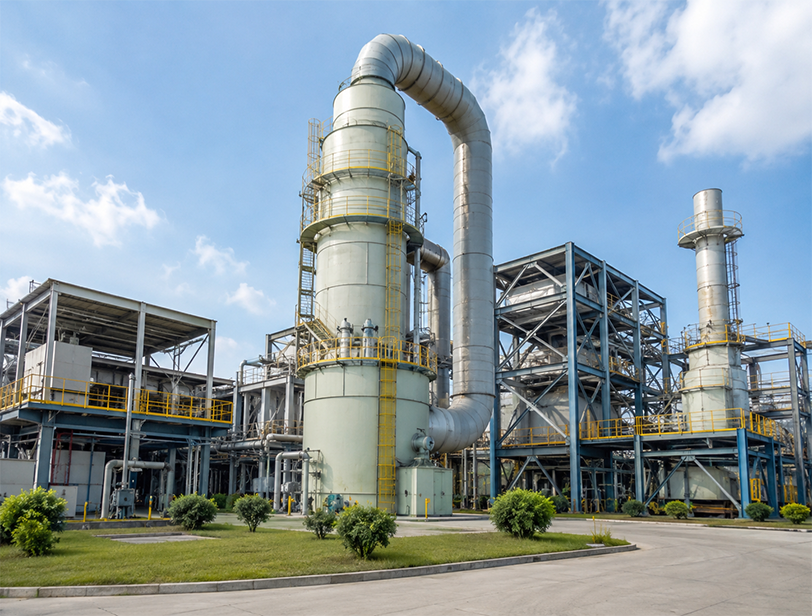
Which Industries Need a Flue Gas Desulfurization System?
A flue gas desulfurization system is especially important for industries with high-temperature combustion, mineral processing, smelting, or chemical reactions that generate sulfur-containing emissions. Typical users include steel plants, non-ferrous metal plants, silicon material producers, power plants, waste incineration facilities, chemical plants, and industrial boiler operators.
These industries usually face two challenges at the same time. First, the emission concentration can fluctuate as raw materials and operating loads change. Second, shutdowns are expensive, so the emission control equipment must remain stable during long production cycles. This is why customized system design is more valuable than choosing equipment by name only.
For projects involving multiple pollutants, FGD may be combined with a flue gas treatment system, denitrification unit, dust collector, or activated carbon adsorption stage. This combined approach helps plants build an integrated treatment route instead of solving each pollutant separately.
Key Factors Before Choosing Desulfurization Equipment
Before selecting desulfurization equipment, buyers should prepare basic process data. The most important information includes flue gas volume, inlet temperature, SO2 concentration, dust concentration, moisture content, oxygen content, operating hours, site space, expected outlet limits, and available utilities.
The first factor is pollutant load. Higher SO2 concentration usually requires a larger absorber, stronger circulation capacity, and more precise reagent control. The second factor is gas condition. Hot, dusty, humid, or corrosive gas streams may require stronger anti-corrosion materials and more careful duct design.
The third factor is operating cost. A low initial price may not be the lowest lifecycle cost if the system consumes too much reagent, creates scaling problems, causes frequent maintenance, or cannot adapt to load changes. A reliable environmental protection solution should balance removal efficiency, energy consumption, reagent usage, and service life.
Wet FGD, Dry FGD and Fixed-Bed Desulfurization: What Is the Difference?
Wet FGD is widely used when high SO2 removal efficiency is required and water resources are available. It normally uses a liquid absorbent, such as limestone slurry, to capture sulfur dioxide in an absorber tower. This approach is suitable for large-scale continuous emission control.
Dry and semi-dry FGD systems are often selected when water consumption, wastewater treatment, or site conditions are key concerns. These systems use dry or atomized absorbents and can be practical for smaller gas volumes or specific industrial processes.
For some projects, fixed-bed desulfurization may be considered when gas composition, treatment depth, or site layout requires a compact purification route. The right choice should be based on pollutant characteristics rather than a general comparison chart.
How to Match FGD Equipment to Industrial Emission Requirements
A practical FGD project starts with emission targets. If the goal is basic compliance, the system may focus on stable SO2 reduction. If the plant needs ultra-low emissions, the design may require higher gas-liquid contact efficiency, stronger demisting, online monitoring, and tighter automatic control.
For overseas B2B buyers, the supplier should be able to provide process design, equipment manufacturing, installation support, commissioning guidance, and spare parts planning. The project should also reserve room for future upgrades if local environmental limits become stricter.
The best solutions to reduce pollution are not simply larger machines. They are systems that match actual working conditions. By evaluating gas data, production process, operation habits, and compliance targets together, Tianshun can help industrial clients build a reliable FGD route with long-term environmental and economic value.
Conclusion
Choosing flue gas desulfurization equipment requires more than comparing model names or equipment prices. A successful FGD system must be engineered around SO2 concentration, gas volume, process stability, material corrosion, operation cost, and future emission standards.
For industrial plants seeking reliable sulfur dioxide removal, Tianshun provides customized desulfurization equipment and integrated flue gas purification solutions to support cleaner production, stable compliance, and sustainable industrial development.
FAQ
Q1: What information is needed before designing a flue gas desulfurization system?
Basic data includes flue gas volume, temperature, SO2 concentration, dust concentration, working hours, emission limits, available space, and site utilities.
Q2: Is wet FGD always better than dry FGD?
Not always. Wet FGD is suitable for many high-load applications, while dry or semi-dry processes may be better for sites with water limitations, smaller gas volumes, or specific waste management requirements.
Q3: Can desulfurization equipment work with denitrification equipment?
Yes. In many industrial projects, FGD is combined with dust removal and denitrification to form a complete flue gas treatment system.
 English