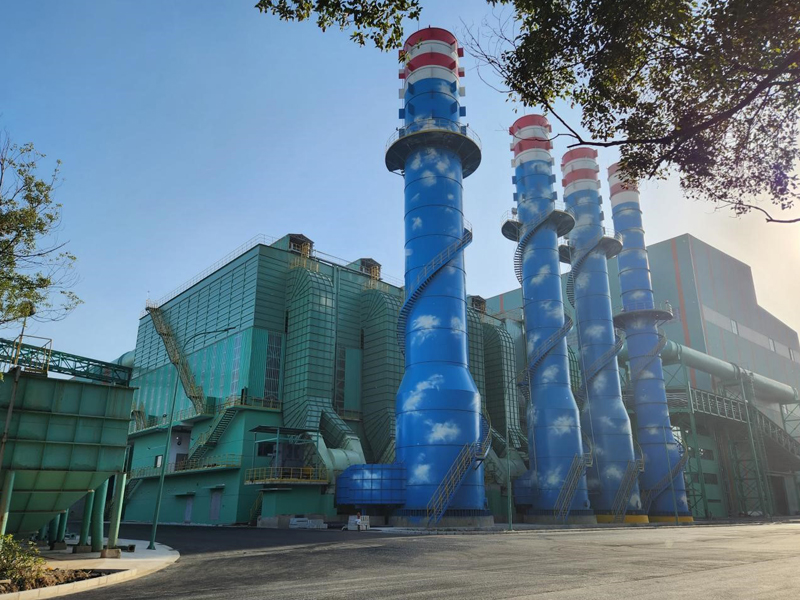
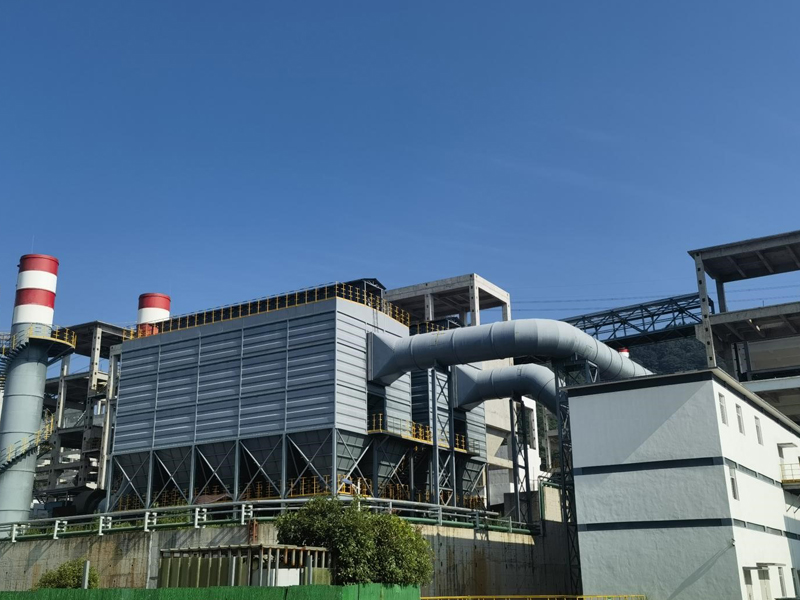
A selective catalytic reduction system is one of the most widely used technologies for controlling NOx emissions from industrial flue gas. It is commonly applied in boilers, furnaces, kilns, power plants, steel production, cement lines, chemical facilities, and other high-temperature processes.
For buyers comparing different air pollution technologies, understanding selective catalytic reduction working is important. SCR is not simply a reactor. It is a complete catalytic reduction system that includes reagent storage, injection, mixing, catalyst modules, reactor housing, control instruments, temperature management, and emission monitoring.
The EPA SCR technology fact sheet identifies selective catalytic reduction as a NOx control technology. In industrial engineering, the details of gas temperature, catalyst selection, dust level, and flow distribution determine whether the system performs reliably.
What Is a Selective Catalytic Reduction System?
A selective catalytic reduction system is an emission control system that uses a reducing agent and catalyst to convert NOx into nitrogen and water vapor. In most industrial applications, ammonia or urea is injected into the flue gas stream before the gas enters the SCR reactor.
The word selective means the reaction mainly targets NOx rather than reacting randomly with all gas components. The word catalytic means the reaction takes place more efficiently with the help of a catalyst. This is why SCR is often selected for deeper nox removal and stricter outlet emission requirements.
Tianshun provides SCR systems as part of flue gas denitrification engineering. The system can be designed according to NOx concentration, flue gas temperature, dust content, available space, and local environmental standards.
How Does Selective Catalytic Reduction Work?
The working of selective catalytic reduction starts with accurate reagent injection. Ammonia or urea is introduced into the flue gas and mixed evenly. If the reagent distribution is uneven, part of the gas may remain untreated while another part may create ammonia slip.
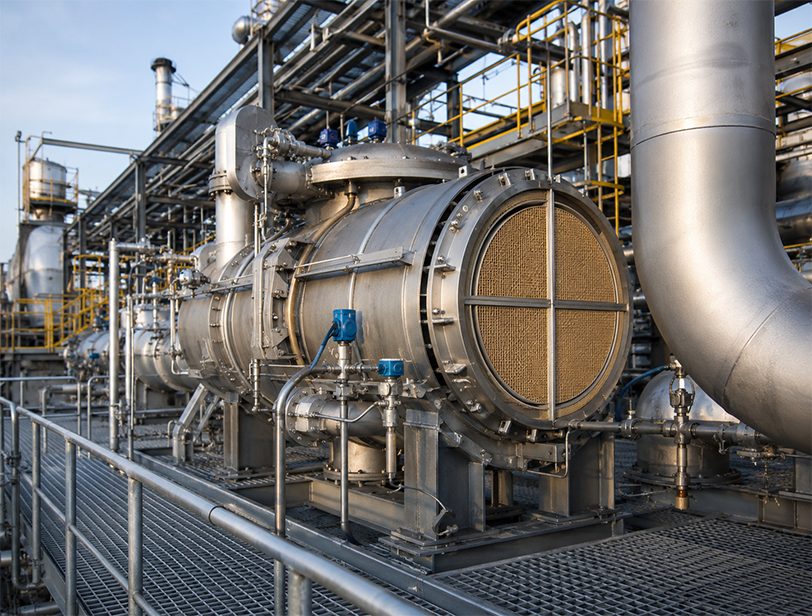
After mixing, the gas enters the catalyst layer. The function of selective catalytic reduction is to create a controlled reaction environment where NOx reacts with the reducing agent on the catalyst surface. This process converts NOx into nitrogen and water when the temperature and gas conditions are suitable.
The reactor must provide uniform gas distribution, proper residence time, stable temperature, and low pressure drop. These design details are critical for reliable scr nox reduction performance.
What Is the Function of a NOx Reduction Catalyst?
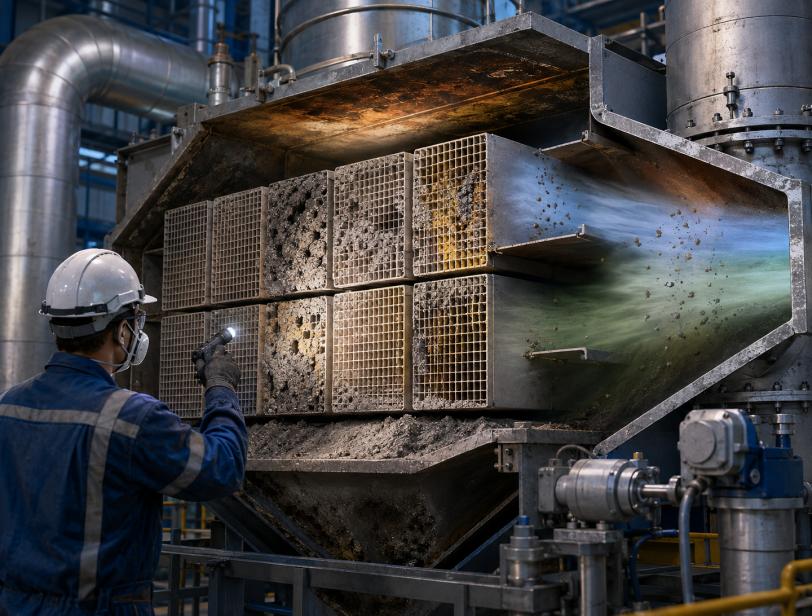
The nox reduction catalyst is the core component of SCR. It provides active sites where the chemical reaction occurs. Catalyst performance affects removal efficiency, operating temperature window, pressure drop, service life, and maintenance frequency.
Catalyst selection depends on gas temperature, dust concentration, sulfur content, alkali metals, arsenic, moisture, and other components that may cause poisoning or blockage. If the catalyst is not matched to the gas condition, performance may decline quickly.
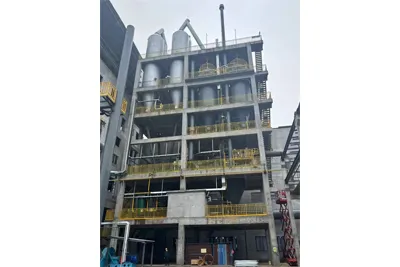
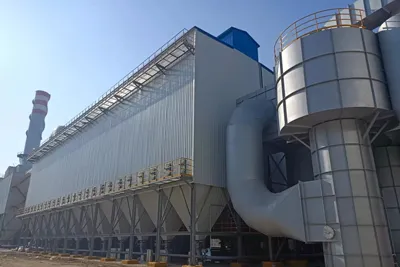
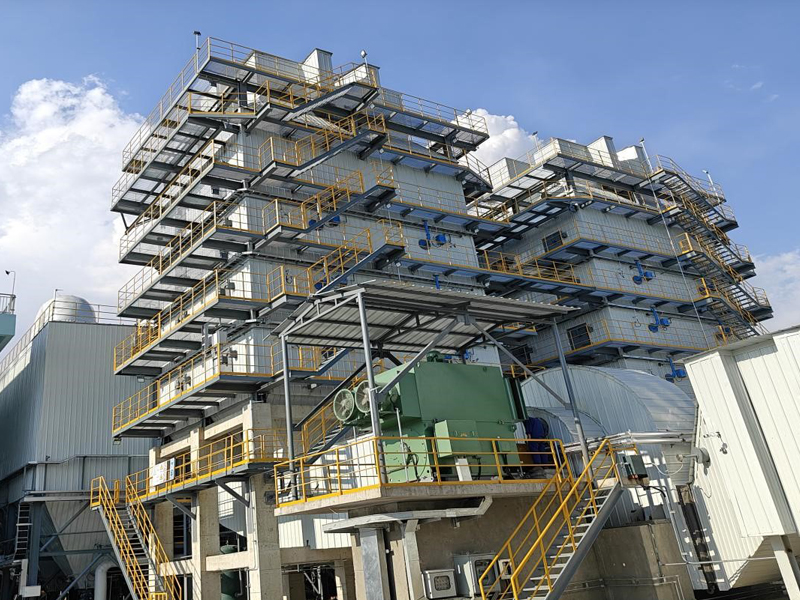
In a heavy-duty selective catalytic reactor, catalyst modules should be arranged to support uniform gas flow and easy maintenance. Good reactor design can also reserve space for future catalyst layers if emission standards become stricter.
Where Is SCR Used in Industrial Flue Gas Treatment?
SCR is used in many industries that generate high-temperature exhaust with NOx. Typical applications include coal-fired and biomass boilers, industrial furnaces, steel sintering machines, cement kilns, glass furnaces, waste incinerators, chemical process heaters, and silicon material production lines.
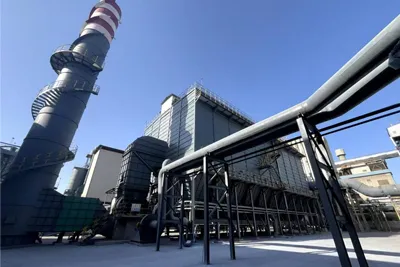
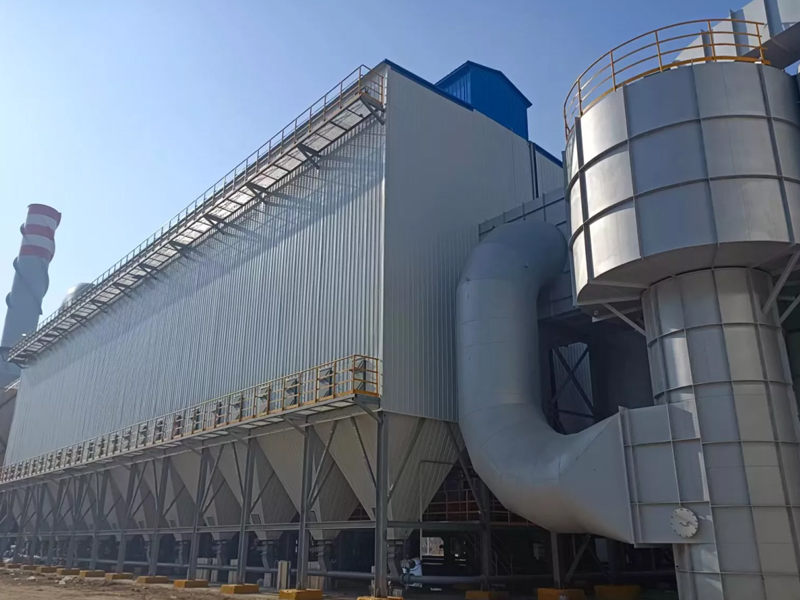
In many of these industries, SCR is only one part of the complete treatment route. Dust, SO2, acid gases, heavy metals, and volatile components may also need control. That is why SCR is often integrated with a flue gas treatment system rather than installed as a standalone unit without upstream and downstream coordination.
When properly designed, SCR supports stable scr nox control while helping plants meet local compliance requirements and improve their environmental performance.
How to Select an SCR System for NOx Control
Before purchasing an SCR system, buyers should confirm gas flow rate, inlet NOx concentration, gas temperature range, dust level, SO2 concentration, oxygen content, moisture content, working hours, outlet emission requirement, available space, and reagent preference.
A supplier should be able to explain catalyst type, reactor structure, injection control, ammonia slip control, pressure drop, maintenance plan, and expected catalyst replacement cycle. These details are essential for evaluating real lifecycle cost.
Tianshun focuses on customized selective catalytic reduction technology for industrial sites. By combining process design, equipment manufacturing, and project support, the system can be adapted to actual working conditions rather than forcing the plant to accept a generic solution.
Conclusion
A selective catalytic reduction system is a proven route for reducing industrial NOx emissions, but its success depends on correct engineering. Reagent injection, gas mixing, catalyst selection, reactor structure, temperature control, and integration with other treatment units all affect final performance.
For industrial buyers who need stable scr nox reduction, Tianshun provides customized SCR systems and complete denitrification solutions to support cleaner, safer, and more compliant production.
FAQ
Q1: What is the function of selective catalytic reduction?
The main function is to convert NOx into nitrogen and water vapor through a controlled reaction between a reducing agent and catalyst.
Q2: What affects SCR catalyst service life?
Catalyst life is affected by temperature, dust, sulfur, alkali metals, poisoning components, gas distribution, and maintenance practices.
Q3: Is SCR suitable for all industrial flue gas?
Not automatically. SCR must be evaluated according to gas temperature, pollutant composition, dust level, and target emission limits.
 English