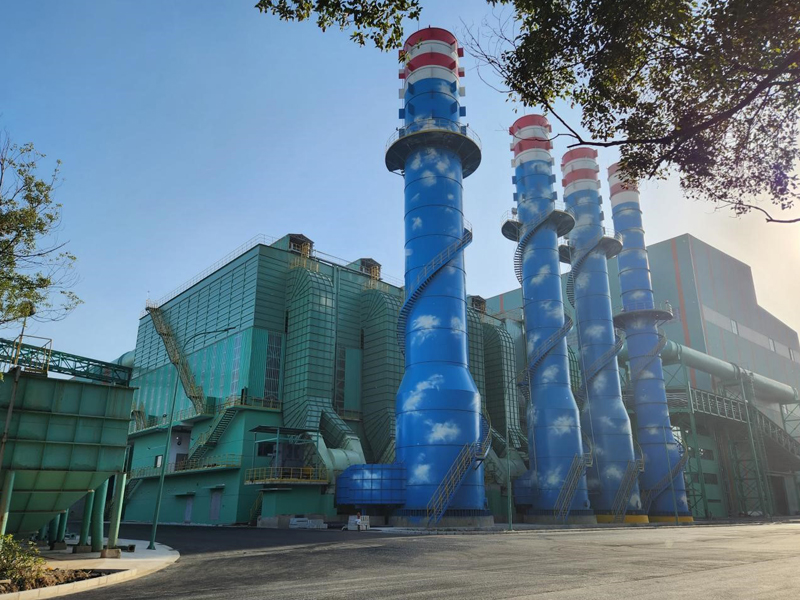
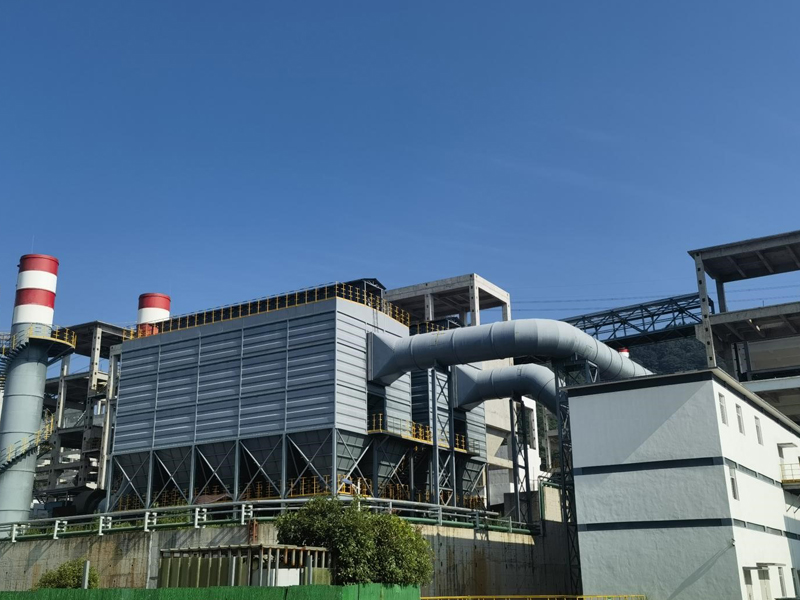
With the rapid development of heavy industry, processes such as electric furnace smelting, ferroalloy production, and metallurgical processing continuously generate significant atmospheric emissions. Among these, sulfur-containing gases are one of the most critical pollutants, directly leading to acid rain formation, air quality deterioration, and long-term ecological imbalance. Therefore, industrial flue gas desulfurization has become a core engineering method in modern environmental management systems.
To address this challenge, the industrial sector increasingly adopts integrated emission control technologies to efficiently remove sulfur compounds and other harmful substances. These systems form the technological foundation for modern solutions to air pollution, enabling industrial production to meet environmental protection requirements while maintaining operational efficiency.
Sulfur Emissions in Industry and Environmental Challenges
Sulfur dioxide produced during high-temperature industrial processes is highly reactive and environmentally harmful. Once released into the atmosphere, it can cause acid deposition, damage ecosystems, and impact human respiratory systems. Additionally, sulfur-containing gases accelerate equipment corrosion, reducing the lifespan of industrial systems.
With increasingly stringent environmental standards, industries must adopt more advanced environmental solutions to tackle complex and high-concentration emissions. This requires not only efficient desulfurization capabilities but also the ability for the system to operate stably over the long term under complex conditions.
Therefore, modern engineering techniques are gradually shifting from single treatment methods to systematic designs to achieve more efficient and stable sulfur emission control.
The Engineering Principles of Industrial Desulfurization
Industrial desulfurization systems remove sulfur dioxide from flue gas through controlled chemical reactions and physical adsorption processes. In this process, sulfur-containing gases react with active media and are converted into stable solid products, thereby achieving pollutant removal.
The efficiency of this process depends on several critical factors, including the uniformity of airflow distribution, gas-solid contact efficiency, and system resistance control. A reasonable structural design ensures that the flue gas fully contacts the reactive media, thereby enhancing overall desulfurization efficiency.
Meanwhile, modern systems focus on energy consumption optimization, achieving low-energy, high-efficiency operation by reducing airflow resistance and improving flow stability. These engineering principles form the technical foundation of advanced emission control equipment.
Integrated Emission Control Systems in Industry
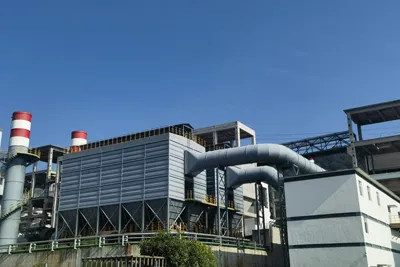
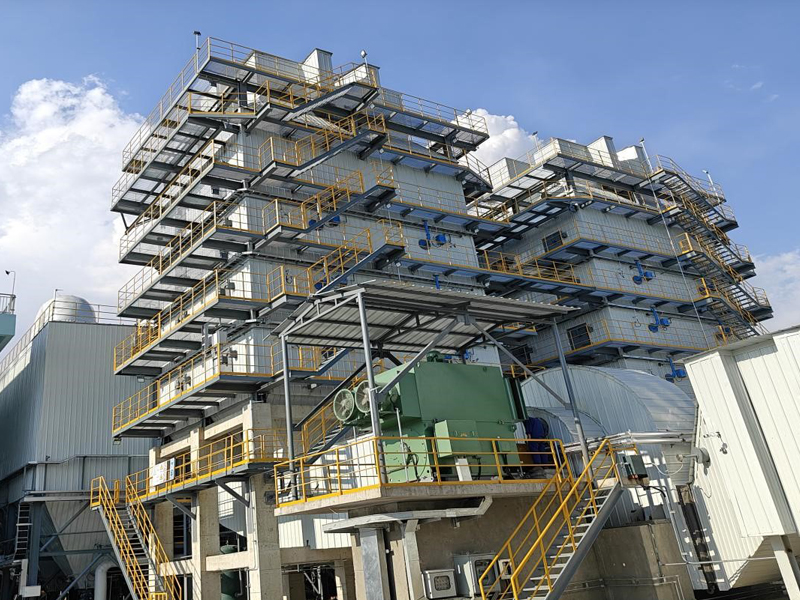
Modern industrial emission management no longer relies on single equipment but uses multifunctional integrated systems that combine multiple treatment stages into a holistic engineering structure. These systems typically include gas pretreatment, desulfurization reaction units, and backend purification modules.
This integrated design significantly enhances overall treatment efficiency and ensures stable pollutant removal capability under different conditions. It also reduces system complexity and improves operational reliability.
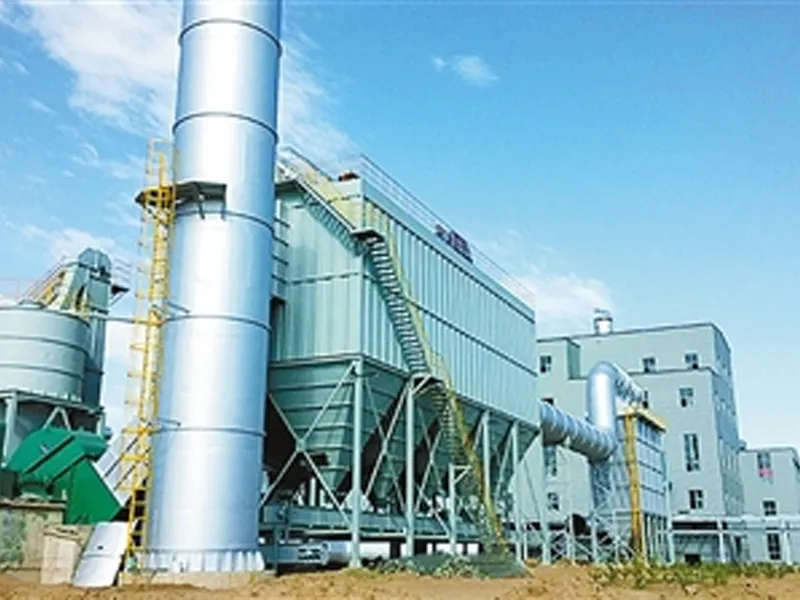
Tianshun develops customized emission equipment for industrial furnace environments, capable of adapting to high-temperature, high-dust, and corrosive gas conditions, ensuring stable operation under harsh conditions.
Through system integration, these solutions achieve higher levels of air pollution control technology application, particularly excelling in sulfur-containing waste gas management.
Advantages of Stable Operation of Fixed Bed Desulfurization Systems
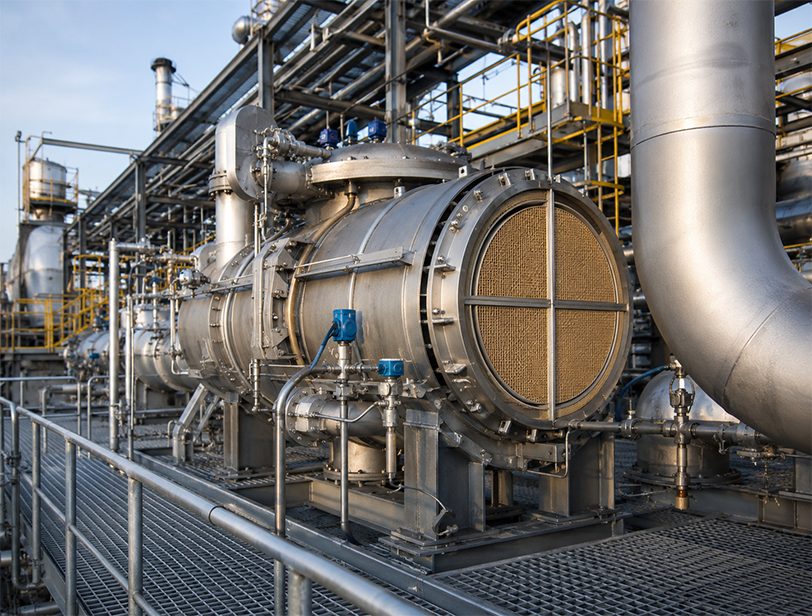
In certain industrial environments, structural stability and operational reliability are particularly important, and fixed bed desulfurization systems offer significant advantages. In this structure, sulfur-containing flue gas passes through a fixed packing layer, completing gas-solid reactions and pollutant transformation.
The main feature of this structure is its strong mechanical stability. Since the reactive media are fixed, it avoids wear problems caused by moving parts, thereby extending the system's lifespan and reducing maintenance costs.
Fixed bed systems are particularly suitable for continuous operation conditions, able to maintain stable desulfurization efficiency under complex gas conditions, making them one of the important emission reduction technologies in heavy industry.
Tianshun applies this structure design in some projects, allowing the system to maintain stable and reliable desulfurization performance during long-term operation.
Sulfur Emission Control in Industrial Furnace Applications
Industrial furnaces are one of the significant sources of sulfur emissions, as their high-temperature combustion and complex reaction processes generate large amounts of sulfur-containing gases. Therefore, efficient and stable management systems must be used for control.
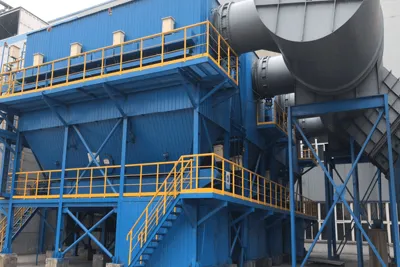
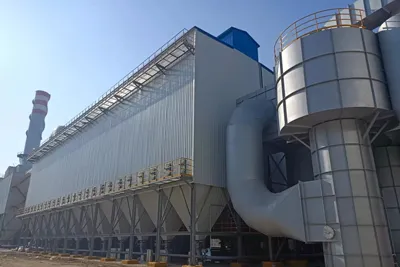
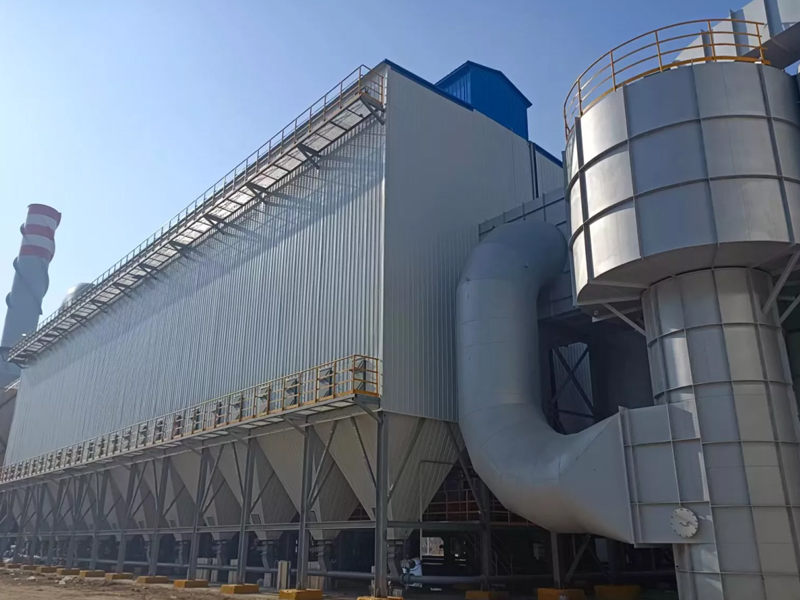
In electric furnace applications, large desulfurization systems can handle continuous high-load emissions while maintaining stable treatment efficiency. These systems emphasize airflow stability and high-efficiency reaction capability.
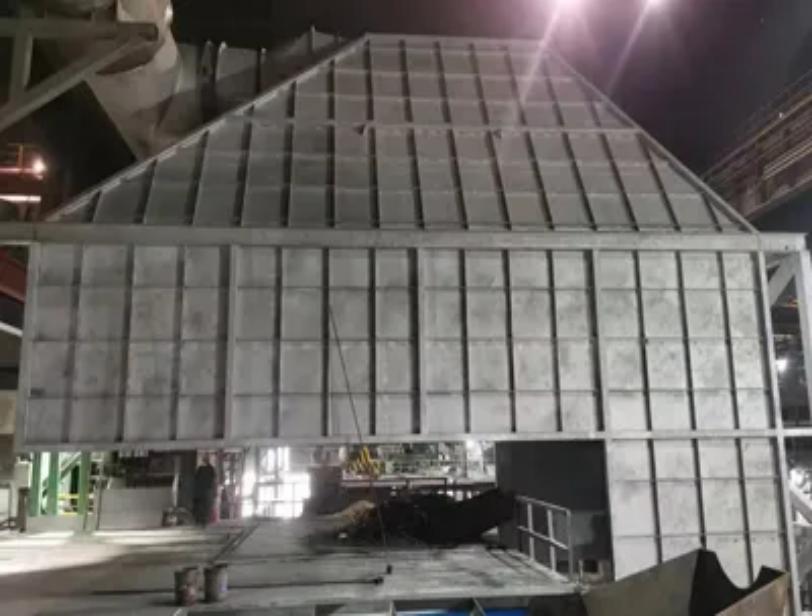
In ferroalloy and submerged arc furnace processes, due to the complex and highly variable composition of flue gas, specially designed systems are needed to ensure stable performance under different conditions.
Tianshun provides customized desulfurization solutions for these industries, achieving stable and effective environmental and pollution control in various industrial environments.
System Optimization and Operational Efficiency Improvement
The performance of desulfurization systems is highly dependent on the level of engineering optimization, including airflow distribution, reaction efficiency, and pressure balance. Proper optimization ensures that sulfur-containing gases fully react and improves overall treatment efficiency.
Energy consumption control is also crucial. Modern systems reduce energy consumption while ensuring high desulfurization efficiency by lowering airflow resistance and optimizing structural design, suitable for large-scale industrial applications.
Through continuous optimization of engineering design, Tianshun enhances system operational stability and long-term reliability, providing sustainable emission reduction solutions for industrial enterprises.
Technological Development and Innovation Trends
With increasing environmental protection requirements, flue gas desulfurization technology is continuously upgrading. The application of high-performance reactive materials significantly enhances sulfur absorption capacity and lifespan.
Meanwhile, intelligent monitoring systems are gradually becoming a development trend, enabling real-time monitoring and optimization adjustments of operating status, improving system operational efficiency and stability.
The introduction of digital control technology further reduces maintenance costs, increases system automation levels, and steers desulfurization systems towards more efficient and intelligent development.
Tianshun continually advances technological innovation, ensuring its equipment aligns with the development direction of modern environmental equipment and meets higher standards of industrial emissions requirements.
Industrial and Environmental Value
Efficient sulfur emission control is of great significance in improving air quality, effectively reducing the formation of acid rain and protecting ecosystems.
From an industrial perspective, such systems can also reduce equipment corrosion, extend service life, enhance production stability, and thus lower overall operational costs.
With increasingly stringent environmental regulations, high-performance desulfurization systems have become an important guarantee for industrial enterprises to achieve compliant operations.
The engineered solutions provided by Tianshun offer a reliable path for industries to achieve dual goals of environmental protection and efficiency.
Conclusion
Industrial flue gas desulfurization has become a critical component of modern emission control systems. With continuously increasing environmental standards, the demand for efficient and stable systems is also growing.
Through advanced engineering design and system integration, the solutions provided by Tianshun effectively support air pollution management, particularly excelling in sulfur emission control. These systems are characterized by stability, efficiency, and strong adaptability, suitable for various industrial environments.
By combining engineering technology with industrial practice, modern desulfurization systems are driving the industry towards a cleaner and more sustainable direction.
 English