Industrial combustion processes remain one of the main sources of global nitrogen oxide emissions. Power plants, steel smelting plants, cement kilns, and chemical production facilities continuously generate high-temperature flue gas during operation, which contains a large amount of NOx and other harmful components. These pollutants can lead to smog formation, enhanced photochemical reactions, and long-term degradation of the atmospheric environment.
To address these issues, modern industries are increasingly adopting integrated technological solutions based on catalytic chemistry and systems engineering, known as "air pollution and solutions." Among them, Selective Catalytic Reduction (SCR) has become one of the most effective technologies in the field of flue gas denitrification, capable of achieving efficient nitrogen oxide removal under complex industrial conditions.
Tianshun provides engineered system solutions in this field, focusing on air pollution control systems for real industrial environments rather than theoretical designs.
Industrial Nitrogen Oxide Emissions and Environmental Challenges
Nitrogen oxides are mainly generated during high-temperature combustion processes through the reaction of nitrogen and oxygen in the air. Unlike dust, NOx exists in gaseous form and has stable chemical properties, making it difficult to remove by physical filtration alone.
In industrial environments, NOx emissions fluctuate with changes in fuel type, combustion temperature, and oxygen content, presenting significant challenges for industrial air pollution control systems as the treatment systems must maintain stable efficiency under unstable conditions.
From an environmental perspective, NOx is an important precursor to ozone formation and secondary particulate matter generation, making it a key target for modern air pollution control technologies.
Catalytic Reduction Mechanism and SCR Principle
The core of SCR-based flue gas treatment systems lies in selective chemical reactions. In this process, a reducing agent (such as ammonia) is injected into the flue gas and reacts with nitrogen oxides on the catalyst surface, ultimately producing nitrogen and water.
4NO+4NH3+O2→4N2+6H2O
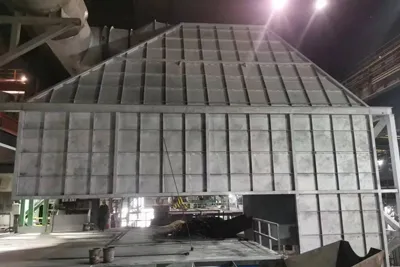
This reaction occurs inside the selective catalytic reactor, where the catalyst accelerates the reaction without being consumed. The reactor must ensure uniform gas flow distribution and stable temperature conditions to ensure high denitrification efficiency.
Unlike traditional physical filtration, SCR technology achieves pollutant conversion at the molecular level, making it one of the most efficient pollution control solutions for gaseous pollutants.
Selective Catalytic Reactor Design and Optimization
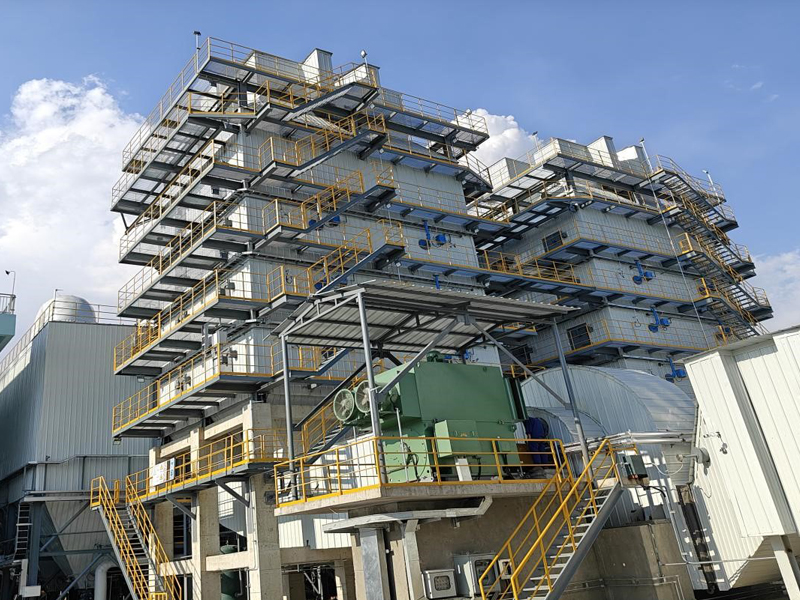
The performance of selective catalytic reduction systems highly depends on reactor structure and gas flow control. Uneven gas flow distribution can lead to reduced reaction efficiency and local catalyst deactivation.
Therefore, modern SCR systems adopt structured flow channel designs to allow flue gas to pass evenly over the catalyst surface, enhancing reaction consistency and denitrification efficiency.
Temperature control is equally crucial. SCR systems typically operate within a specific temperature window where catalytic activity is highest. Engineering design must consider industrial condition fluctuations and thermal stability.
Tianshun applies these engineering principles in system design to ensure long-term stable operation in industrial environments.
Integration with Flue Gas Treatment Systems
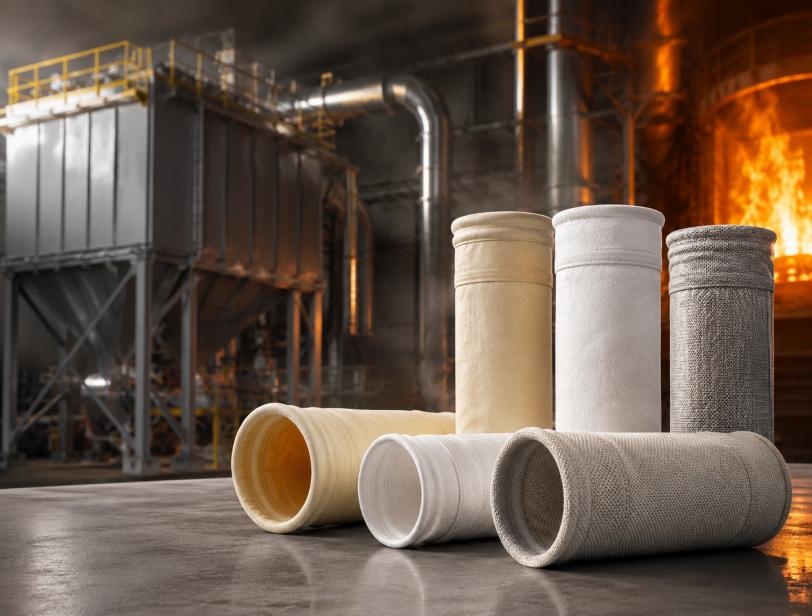
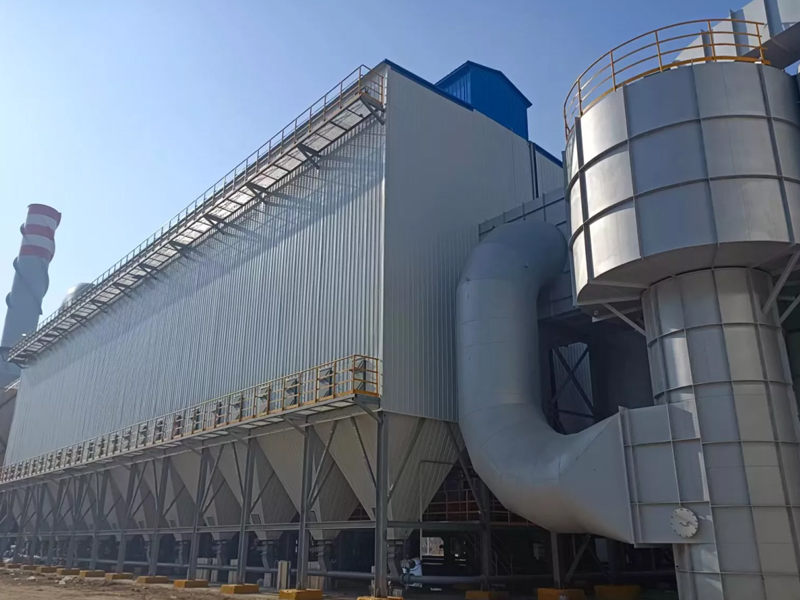
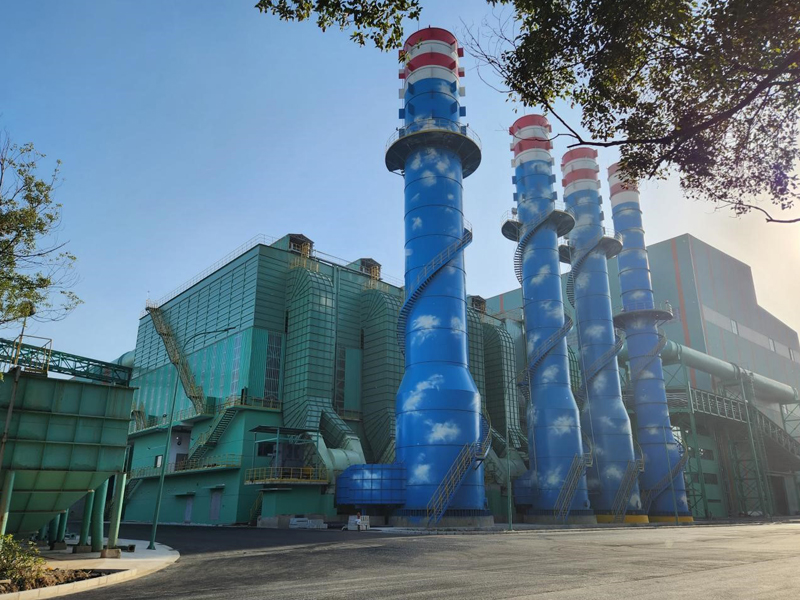
Modern flue gas purification systems usually adopt a multi-stage integrated structure rather than being treated by a single device. SCR units are often part of a complete treatment chain, working alongside dust removal systems, gas conditioning systems, and monitoring devices.
This structure can simultaneously handle multiple pollutants, including NOx, dust, and other gaseous pollutants, increasing overall treatment efficiency and operational stability.
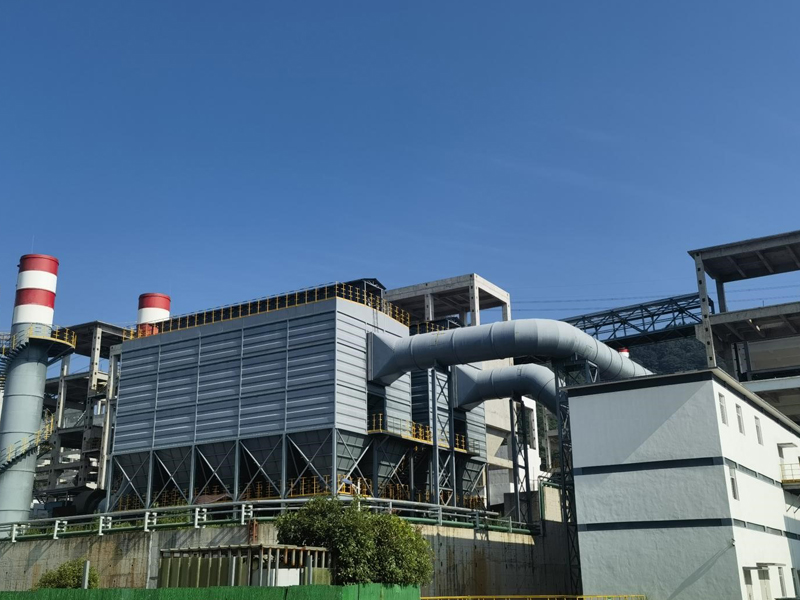
In many industrial scenarios, electrostatic dust removal equipment is placed at the front end of the SCR system to remove fine dust, ensuring the stable operation of the catalytic reactor.
Tianshun emphasizes system-level integration, allowing each module to efficiently work together under a unified framework, forming a complete air pollution control system.
Industrial NOx Reduction System Applications
SCR-based nitrogen oxide reduction technology is widely used in continuous high-temperature combustion industries such as steel, cement, power, and waste incineration.
These industries have continuous and highly fluctuating emissions, requiring reliable and long-term stable treatment systems.
For example, cement kiln conditions have high dust concentrations and significant temperature fluctuations, while power plants require long-term continuous operation with low maintenance costs.
Tianshun provides customized industrial air pollution control equipment for different industrial scenarios to ensure stable NOx removal effects.
Integration of Air Pollution Control Technology and Systems
Effective air pollution control equipment must operate as part of a system rather than as independent units. SCR reactors typically work in conjunction with cooling systems, dust removal equipment, and monitoring devices.
This collaborative structure can enhance overall efficiency and ensure stable pollutant removal while reducing system operational complexity.
Modern systems are gradually incorporating real-time monitoring technology, allowing dynamic adjustments of ammonia injection amounts and temperature parameters to optimize operation.
Tianshun emphasizes system integration capabilities to ensure coordinated operation of all parts, thereby enhancing the overall air quality improvement effect.
Engineering Challenges
Despite the high efficiency of SCR technology, there are still some engineering challenges. For example, catalysts may become deactivated due to dust or impurities after long-term operation, requiring reasonable design of protection and regeneration mechanisms.
Additionally, ammonia slip control is a key issue; excessive reducing agent may cause secondary pollution, requiring precise control of injection amounts.
System pressure drop control is also important, as excessive resistance can increase energy consumption and reduce system efficiency.
Tianshun addresses these issues through engineering optimization design to improve system stability and operational efficiency.
Environmental Value and Industrial Benefits
SCR denitrification systems are of great significance in reducing atmospheric pollution, effectively reducing nitrogen oxide emissions and decreasing ozone and secondary particulate matter generation.
From an industrial perspective, these systems help meet environmental regulations, reduce environmental risks, and enhance corporate sustainability capabilities.
At the same time, more efficient emission control can reduce the burden of downstream pollution treatment and improve overall operational economy.
Technology Development Trends
Modern nitrogen oxide control technologies are moving toward high efficiency, long life, and intelligence. New catalytic materials continuously enhance anti-poisoning capabilities and applicable temperature ranges.
Digital monitoring systems are also gradually being applied to SCR systems, enabling real-time performance analysis and predictive maintenance, thus improving operational reliability.
Future pollution control equipment will become more intelligent, capable of adaptive adjustment to complex conditions.
Tianshun continues to promote engineering and technological innovation to ensure its solutions align with modern environmental pollution control development trends.
Conclusion
Nitrogen oxide management is a crucial component of modern air pollution control systems. Through advanced SCR flue gas denitrification technology, industries can achieve efficient NOx removal while maintaining stable production.
This technology forms an important pollution and solutions system, combining chemical reactions and systems engineering to achieve reliable industrial emission control.
The engineered SCR solutions provided by Tianshun offer an effective path for air pollution control, contributing to the promotion of industrial clean production and long-term environmental compliance.
 English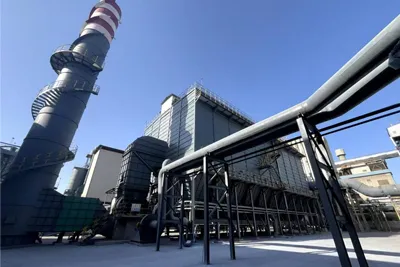
.webp "Selective Catalytic Reduction")