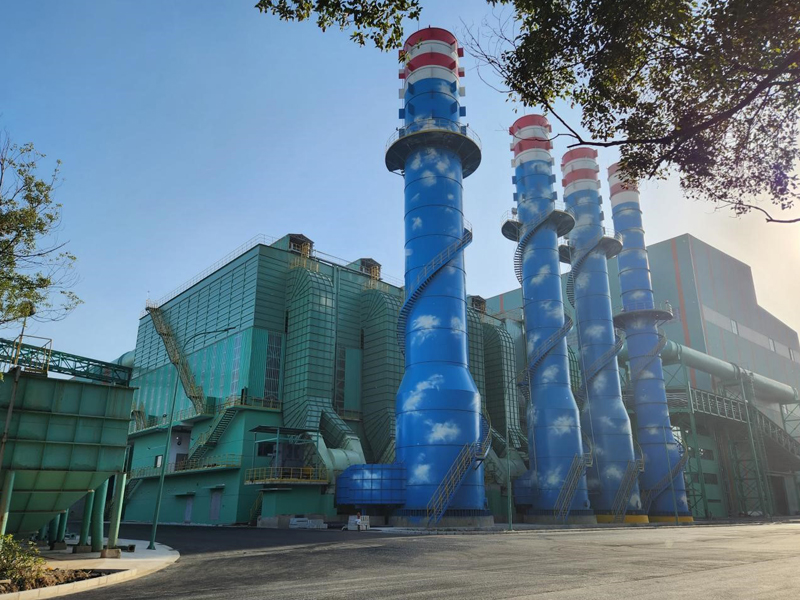
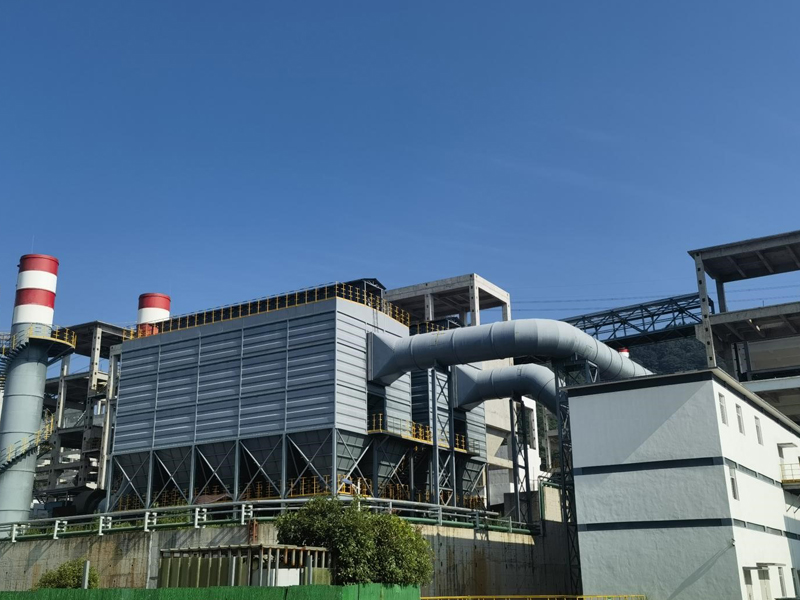
Industrial development has significantly driven the scale expansion of material processing, energy conversion, and high-temperature manufacturing activities, while also bringing about a large amount of airborne particulate emissions. These emissions include coarse dust particles, fine particulates, and metal oxide particles, primarily originating from production processes such as crushing, smelting, conveying, and combustion. Without effective control, these particulates can accumulate in the atmosphere, leading to aggravated smog, reduced visibility, and long-term deterioration of air quality.Modern environmental engineering increasingly emphasizes achieving air cleanliness at the source, rather than relying on end-of-pipe treatment. This concept has driven the development of integrated systems aimed at reducing air pollution through efficient capture, filtration, and controlled emissions. Within this framework, Tianshun provides engineered solutions to construct complete air pollution control equipment systems to meet the needs of continuous industrial operations.
Characteristics and Emission Behavior of Industrial Dust
Industrial dust consists of solid particles with irregular shapes, varying densities, and a wide range of particle size distributions. These particles are generated during mechanical crushing, thermal processing, and material conveying.
In mining and crushing industries, dust particles are usually larger and abrasive; in metallurgical processes, dust often consists of fine metal particles; in combustion industries, dust may contain oxide components with certain chemical activity.
Due to the significant influence of airflow turbulence on dust dispersion, if uncontrolled, it can quickly spread throughout the production area. Therefore, dust control has become a fundamental aspect of modern industrial environmental management.
Engineering Principles of Industrial Air Purification Systems
Effective dust control requires systematic engineering design rather than a single device. A complete industrial exhaust gas purification system must ensure stable airflow distribution, consistent separation efficiency, and smooth ash discharge.
The core engineering challenge lies in balancing filtration efficiency and system resistance. Excessive resistance can increase energy consumption, while uneven airflow distribution can reduce capture efficiency.
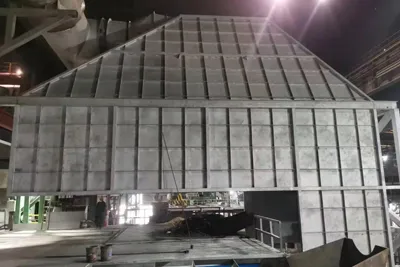
Modern systems typically employ multi-stage structural designs to stabilize airflow and enhance separation efficiency. These structures form the foundation of widely applied air control equipment in modern heavy industries.
Tianshun adopts a systematic design approach, enabling equipment to maintain stable performance under high dust loads and long-duration operation conditions.
Pulse Cleaning and Continuous Filtration Mechanisms
One of the most commonly used techniques in industrial dust control is pulse jet filtration. In this system, dust-laden air passes through the filter media, trapping particles on the surface while clean air passes through.
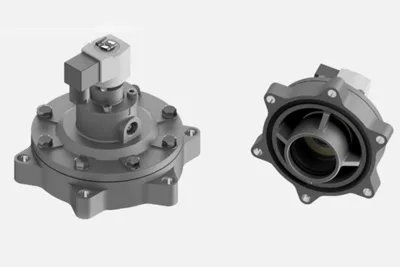
As dust accumulates, filtration resistance gradually increases, necessitating periodic cleaning with compressed air. Instantaneous airflow causes the filter bags to expand and vibrate, dislodging the dust into the ash hopper for continuous operation.
The key components of this system include:
These components collectively form a highly efficient and stable dust collector system, capable of adapting to continuous industrial operation conditions. Tianshun integrates these components for enhanced system reliability and lifespan.
Electrostatic Separation and Fine Particulate Removal Technology
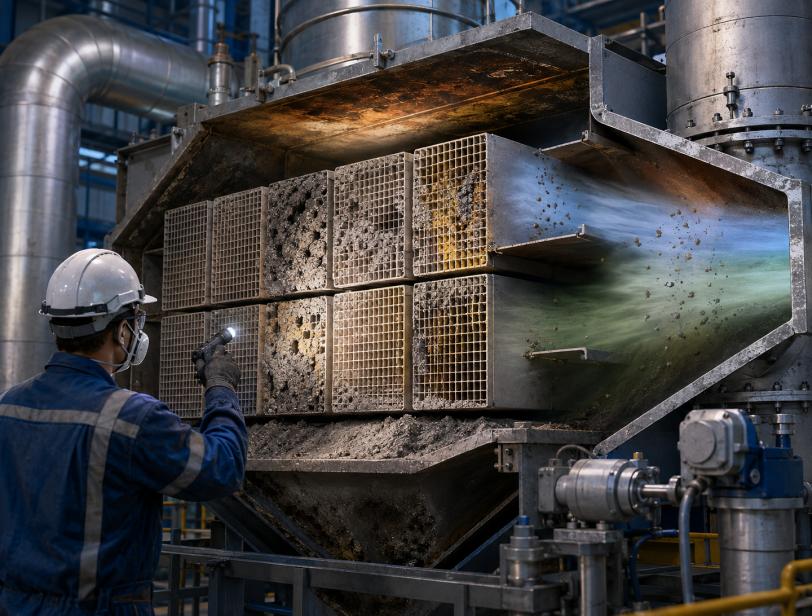
Electrostatic dust removal is an important technology in industrial dust control, where particles are charged by a high-voltage electric field and collected on dust collection electrodes.
This technology is particularly suitable for fine particulates and high air volume conditions, characterized by low pressure drop, stable operation, and high capture efficiency.
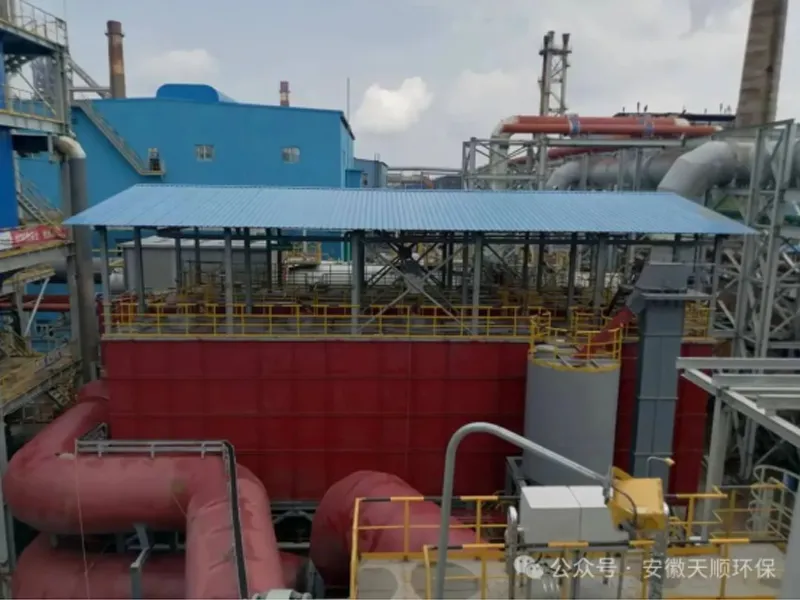
Electrostatic systems are usually combined with filtration systems, forming a multi-stage control structure to enhance overall dust removal efficiency. In practical engineering, they constitute a complete air pollution control equipment system.
The electrostatic dust removal equipment provided by Tianshun is suitable for continuous operation in heavy industrial environments, ensuring long-term stable performance.
High-Temperature Industrial Dust Control Applications
Dust control in high-temperature industrial environments is challenging, especially with the mixed emissions of metal oxides and fine particulates, requiring high system stability.
Intermediate frequency furnace conditions produce a large amount of fine dust, requiring specialized dust control systems for management.
At local emission points, small dust collectors can be used for targeted capture, improving overall system efficiency.
Tianshun provides customized solutions for different conditions, enabling the system to operate stably under high temperature and high dust environments.
Dust Conveying and Material Handling Systems
Collected dust must be safely conveyed to storage or processing areas. Poor design can lead to leakage or secondary pollution.
Low-pressure continuous conveying systems can achieve stable conveying while reducing energy consumption and minimizing leakage risks.
By integrating the conveying system with the dust removal system, enclosed dust management can be achieved, enhancing operational safety.
Tianshun incorporates the conveying system into the overall design, making dust handling more efficient and reliable.
Integrated Industrial Dust Control Systems
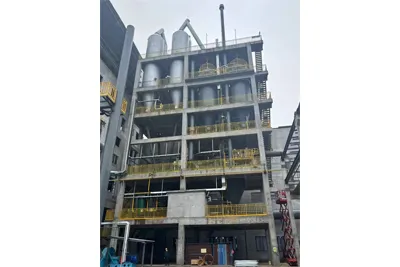
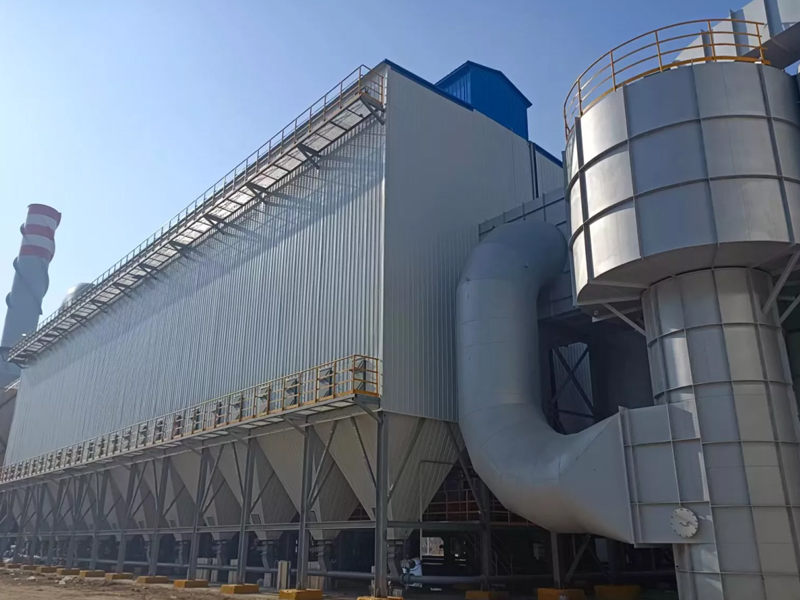
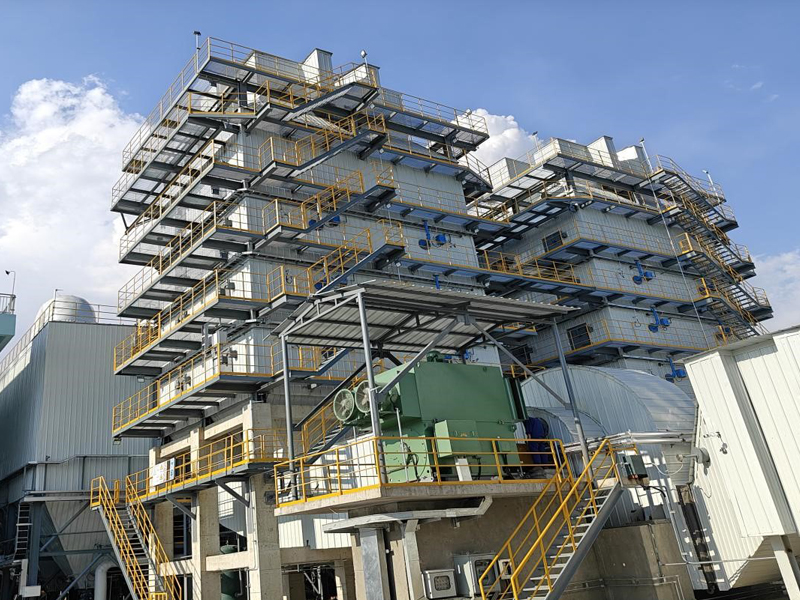
Modern dust control has evolved into an integrated engineering system rather than a simple combination of devices. These systems, often called flue gas treatment devices, integrate filtration, electrostatic separation, conveying, and emission control functions.
The system can operate continuously under high dust concentration, airflow fluctuations, and complex conditions.
The integrated system has the following advantages:
This model is an important solution for air pollution control in China and other industrial regions.
System Optimization and Operational Stability
The efficiency of dust control systems depends on airflow design, choice of filter materials, and pressure control. Poor system balance can lead to decreased efficiency and increased energy consumption.
Pulse cleaning requires precise control to avoid damaging the filter media and maintain cleaning efficiency. The conveying system must also ensure stable operation to prevent blockages or leaks.
Through engineering optimization, Tianshun enhances system stability, reduces operational costs, and extends equipment lifespan, thus supporting higher levels of air quality improvement.
Environmental Value and Industrial Benefits
Dust control systems can effectively reduce particulate emissions at the source, significantly improving air quality and reducing regional pollution levels.
From an industrial perspective, dust control can also reduce equipment wear, improve production stability, and lower maintenance frequency, while enhancing workplace safety.
As environmental requirements continue to increase, advanced dust control systems help enterprises meet emission standards while maintaining production efficiency.
These systems form practical solutions for air pollution control.
Trends in Dust Control Technology Development
Dust control technology is advancing towards higher efficiency, automation, and intelligence. New filter materials have improved capture efficiency while reducing system resistance.
Real-time monitoring systems can monitor pressure differences, airflow, and cleaning status, achieving predictive maintenance and operational optimization.
Future pollution control equipment will integrate mechanical separation and intelligent control to achieve adaptive operation capabilities.
Tianshun continues to advance related engineering technologies, making systems meet modern industry's environmental and efficient production demands.
Conclusion
Industrial dust control is an essential part of modern environmental engineering. Through the comprehensive application of filtration, electrostatic separation, and conveying systems, air cleanliness can be effectively achieved, and particulate emissions significantly reduced.
The integrated dust control system provided by Tianshun combines multiple technologies into a stable and reliable industrial solution, supporting the efficient operation of air pollution control equipment in various industries.
By combining engineering design with industrial experience, modern dust control technology plays a crucial role in achieving sustainable production and improving global air quality.
 English