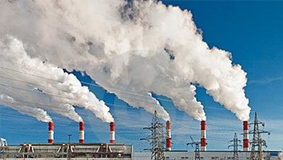
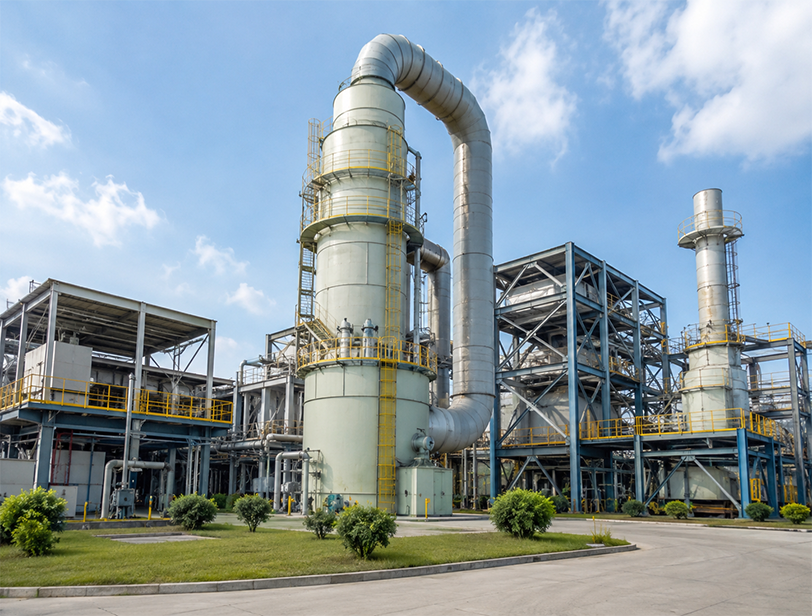
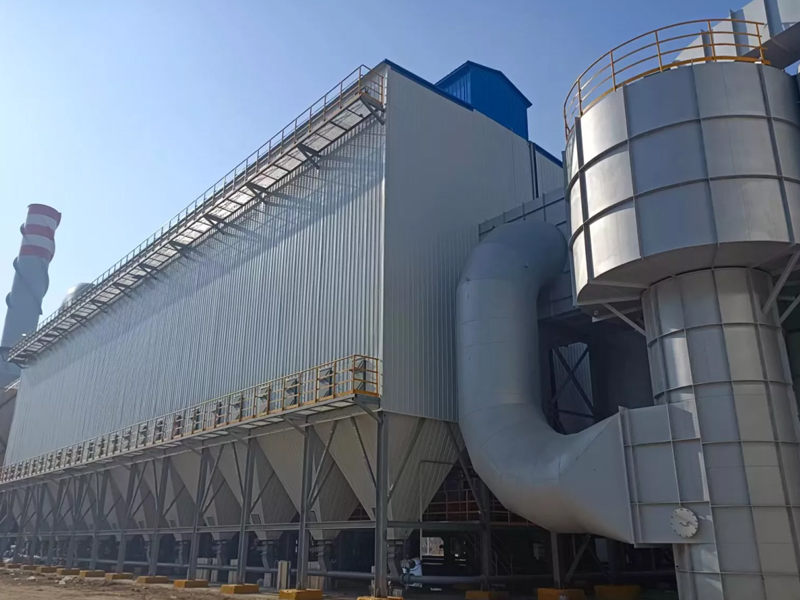
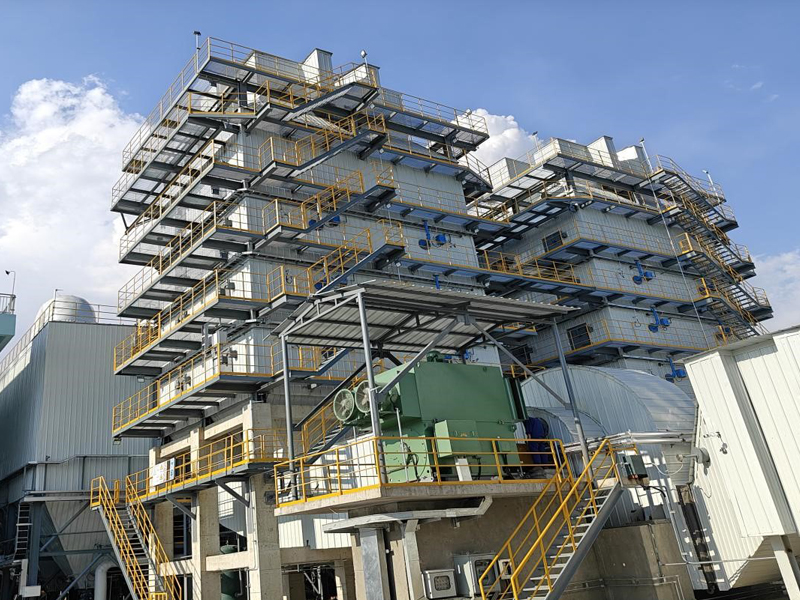
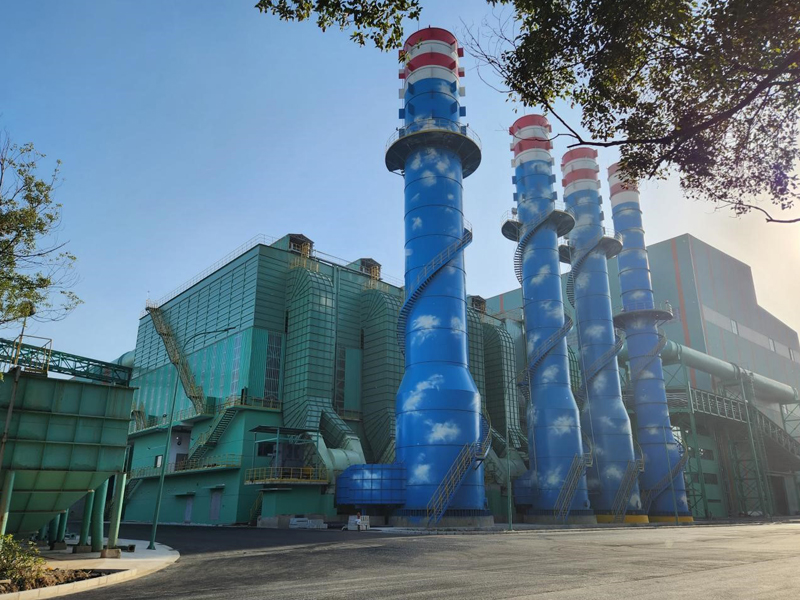
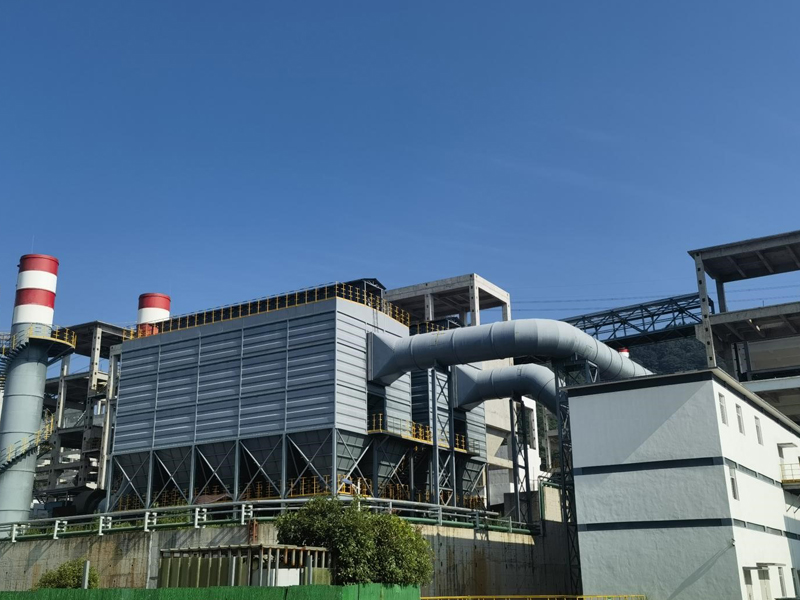
Selective Catalytic Reduction, commonly known as SCR, is an effective technology for controlling nitrogen oxide emissions from boilers, furnaces, kilns, incinerators and other high-temperature industrial processes.
Tianshun provides customized SCR flue gas treatment solutions based on flue gas volume, inlet NOx concentration, temperature range, dust loading, sulfur content and required outlet emission limits. By integrating reagent injection, gas distribution, catalyst modules and intelligent control, the system helps industrial facilities achieve stable NOx removal while maintaining production efficiency.
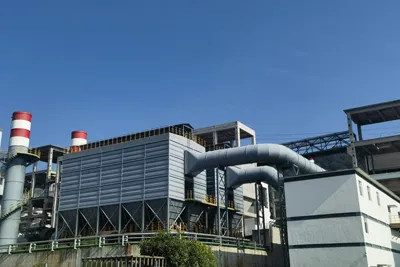
A complete SCR unit can be installed as an independent NOx reduction system or incorporated into a broader flue gas treatment system that also includes dust removal, desulfurization and final gas purification.
Understanding the Core of SCR Flue Gas Treatment Technology
Selective catalytic reduction removes nitrogen oxides by injecting a reducing agent, usually ammonia or urea, into the flue gas stream.
The reagent is mixed evenly with the gas before entering a catalyst reactor. When the gas passes through the SCR catalyst, the reducing agent reacts selectively with NOx and converts it mainly into nitrogen and water vapor.
The basic SCR process includes four main stages:
Reductant storage and preparation
Ammonia or urea injection
Uniform gas and reagent mixing
Catalytic NOx conversion
Under suitable temperature, catalyst and operating conditions, an industrial selective catalytic reduction system can achieve high NOx reduction efficiency, with some properly designed applications exceeding 90%.
However, actual performance depends on inlet NOx concentration, gas temperature, residence time, catalyst condition, ammonia distribution and other project-specific factors.
How Does Selective Catalytic Reduction Work?
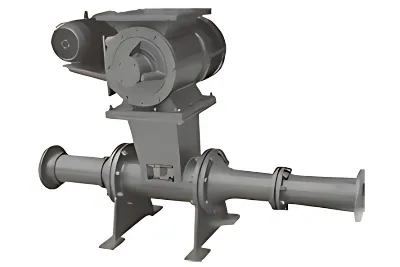
The working of selective catalytic reduction begins with accurate reagent injection. Ammonia or urea must be introduced at the correct dosage to achieve sufficient NOx conversion without causing excessive ammonia slip.
The gas and reagent then pass through a mixing section. Uniform distribution is essential because poor mixing can cause uneven treatment across the catalyst surface.
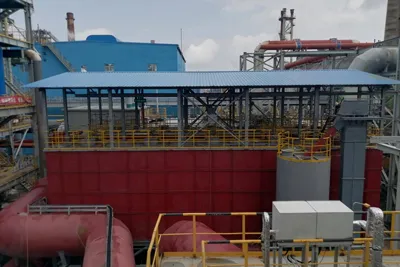
Inside the selective catalytic reactor, the gas passes through catalyst modules. The catalyst provides active reaction surfaces where NOx is converted into less harmful components.
The principal function of selective catalytic reduction is therefore to provide deep and stable NOx control at a lower reaction temperature than would normally be required without a catalyst.
A reliable SCR NOx reduction system must coordinate:
These parameters should be evaluated together during system design.
Key Advantages of Tianshun’s SCR Flue Gas Treatment System
High DeNOx Efficiency
Tianshun’s SCR flue gas treatment systems combine suitable catalyst formulations with accurately controlled reagent injection.
The system is designed according to inlet gas conditions and target emissions, helping industrial plants achieve stable SCR NOx control under changing production loads.
For projects requiring an integrated DeNOx solution, SCR can be incorporated into a customized flue gas denitrification system.
Intelligent Reagent Control
Excessive ammonia consumption increases operating costs and may lead to ammonia slip, while insufficient reagent reduces NOx conversion efficiency.
Tianshun can configure monitoring and automatic control functions to adjust reagent injection according to flue gas flow, NOx concentration, temperature and system load.
This helps maintain stable treatment performance while reducing unnecessary ammonia or urea consumption.
Reliable Industrial Operation
SCR equipment may operate under conditions involving high temperature, dust, sulfur-containing gas and continuous production.
Tianshun selects reactor materials, catalyst configurations and structural components according to actual working conditions. The system is designed to reduce catalyst blockage, uneven airflow, excessive pressure loss and frequent maintenance.
Flexible Catalyst Configuration
The appropriate NOx reduction catalyst depends on the flue gas composition and operating temperature.
Catalyst modules can be selected and arranged according to:
Target NOx reduction efficiency
Available reaction temperature
Dust concentration
SO₂ and SO₃ content
Alkali metals and catalyst poisons
Gas flow distribution
Required catalyst service life
The reactor can also reserve space for additional catalyst layers when future emission requirements may become stricter.
Optimized Total Cost of Ownership
The lifecycle cost of an SCR system includes more than the initial equipment price.
Energy consumption, reagent usage, pressure drop, catalyst replacement, maintenance frequency and production downtime all influence long-term operating cost.
Tianshun optimizes the reactor, reagent injection system and gas distribution design to support efficient operation and predictable maintenance throughout the equipment lifecycle.
Customized SCR Flue Gas Treatment Solutions for Diverse Industries
There is no single SCR configuration suitable for every industrial application. Tianshun designs customized selective catalytic reduction technology according to each plant’s process conditions, emission requirements and installation space.
Power Generation and Industrial Boilers
Coal-fired, biomass and industrial boilers can generate significant NOx emissions during combustion.
An SCR system can be installed downstream of the boiler and coordinated with dust collection and desulfurization equipment. The system design should account for fuel composition, boiler load changes and available reaction temperature.
Waste Incineration
Waste incineration flue gas may contain dust, acidic gases, heavy metals and catalyst-contaminating substances.
For these projects, upstream gas cleaning and temperature control are important for protecting the SCR catalyst and maintaining long-term denitrification performance.
Metallurgy and Furnace Applications
Steel, ferroalloy, silicon material and non-ferrous metal processes can produce high-temperature gas with fluctuating dust and NOx concentrations.
The SCR equipment must therefore be designed for variable production loads, large gas volumes and demanding industrial environments.
Cement and Kiln Processes
Cement kilns and other thermal material-processing lines often operate continuously and generate significant nitrogen oxide emissions.
Customized catalyst selection, reagent distribution and reactor design help the NOx removal system adapt to process temperature and dust conditions.
Marine and Specialized Industrial Applications
SCR can also be applied to marine engines and other specialized combustion equipment where installation space is restricted.
Compact reactor design, low pressure drop and precise reagent control are especially important in these applications.
How to Select an SCR Flue Gas Treatment System
Before preparing a technical solution, buyers should provide the following operating data:
Flue gas flow rate
Inlet and operating temperature range
Inlet NOx concentration
Required outlet NOx concentration
Dust concentration
SO₂ and SO₃ content
Moisture and oxygen content
Daily operating hours
Available installation space
Existing upstream and downstream equipment
These parameters determine the catalyst type, reactor size, reagent consumption, number of catalyst layers and overall system configuration.
The SCR unit should also be coordinated with the complete flue gas treatment process. Effective upstream dust and sulfur control can reduce catalyst contamination and extend system service life.
Conclusion
SCR flue gas treatment is an effective solution for reducing nitrogen oxide emissions from boilers, furnaces, kilns, incinerators and other industrial production processes.
A successful system requires more than installing a catalyst reactor. Reagent injection, gas distribution, temperature control, catalyst selection, dust management and automatic monitoring must work together.
Tianshun develops customized selective catalytic reduction systems according to actual operating conditions, helping industrial facilities achieve reliable NOx removal, controlled operating costs and long-term emission compliance.
Contact Tianshun with your flue gas parameters and emission targets to receive a customized SCR technical proposal.
Frequently Asked Questions
What is SCR flue gas treatment?
SCR flue gas treatment is a catalytic denitrification process that uses ammonia or urea to convert nitrogen oxides in industrial exhaust gas mainly into nitrogen and water vapor.
What is the function of an SCR catalyst?
The SCR catalyst provides active reaction surfaces that enable NOx and the reducing agent to react efficiently within a suitable temperature range.
What affects SCR NOx reduction efficiency?
The main factors include gas temperature, inlet NOx concentration, reagent distribution, catalyst condition, residence time, dust loading and sulfur content.
Can SCR be combined with desulfurization and dust removal?
Yes. SCR can form part of an integrated treatment system that includes dust collection, desulfurization and other emission-control technologies.
What information is needed to design an SCR system?
The supplier normally needs flue gas flow, temperature, NOx concentration, dust and sulfur content, target outlet emissions, operating hours and available installation space.
 English