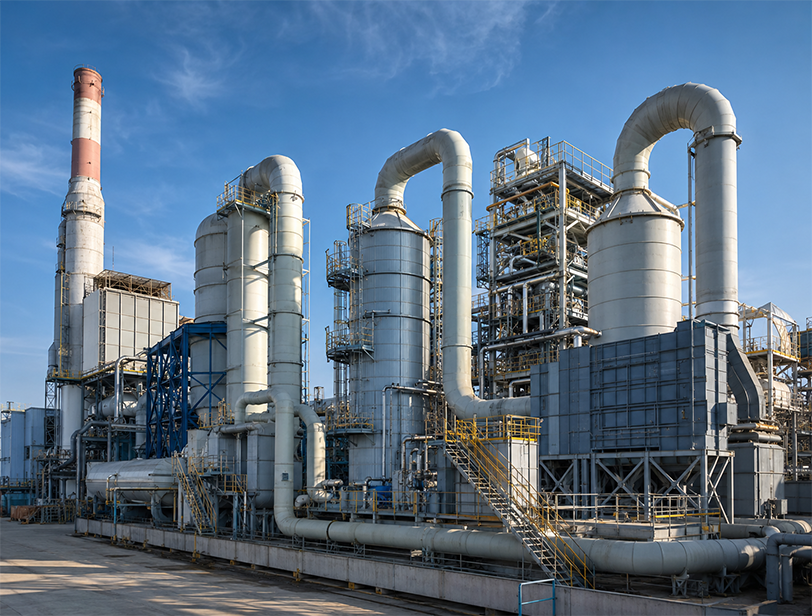
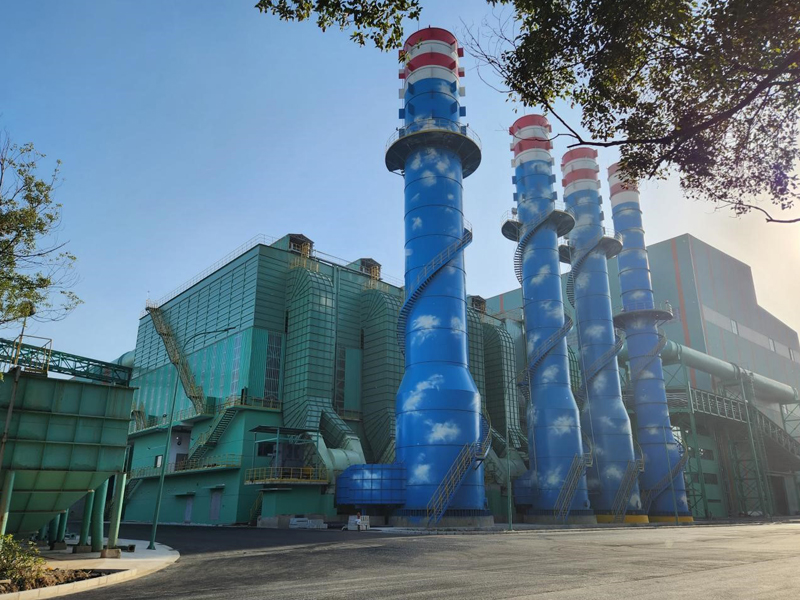
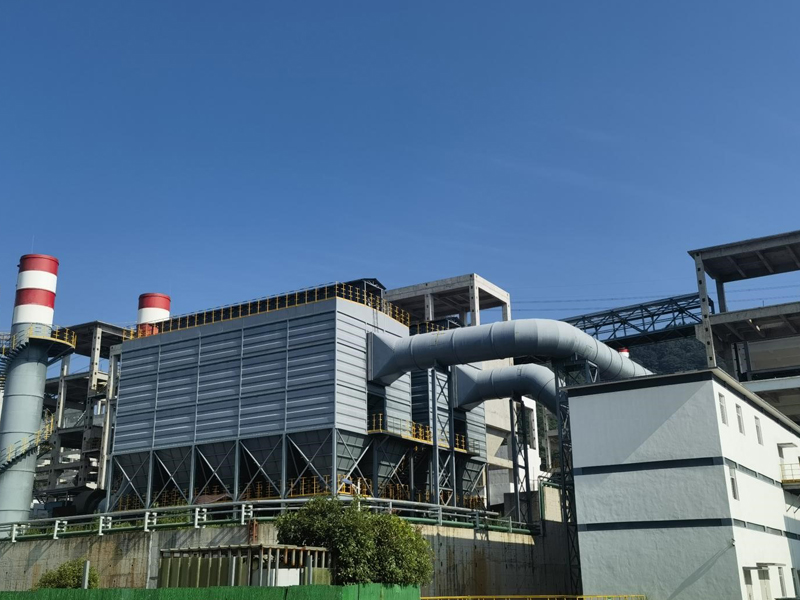
Effective flue gas treatment has become essential for industrial plants that generate dust, sulfur oxides, nitrogen oxides, acidic gases and other harmful emissions. A properly designed flue gas treatment process helps reduce these pollutants before the treated gas is released into the atmosphere.
Tianshun provides customized industrial emission solutions based on flue gas composition, temperature, flow rate, pollutant concentration and required outlet emission levels. By integrating cooling, dust collection, desulfurization, denitrification and final purification, a complete flue gas treatment system can help industrial plants maintain stable production while improving emission performance.
Different industries generate different gas conditions, so the treatment process should be selected according to actual operating requirements rather than applying one standard configuration to every project.
Three Main Flue Gas Treatment Methods
The three main flue gas treatment methods are wet treatment, dry treatment and semi-wet treatment. Each process differs in water consumption, equipment configuration, pollutant removal mechanism, residue handling and suitable application conditions.
Wet Flue Gas Treatment Process
Wet treatment is commonly used in large industrial facilities that require effective removal of sulfur dioxide and other acidic gases.
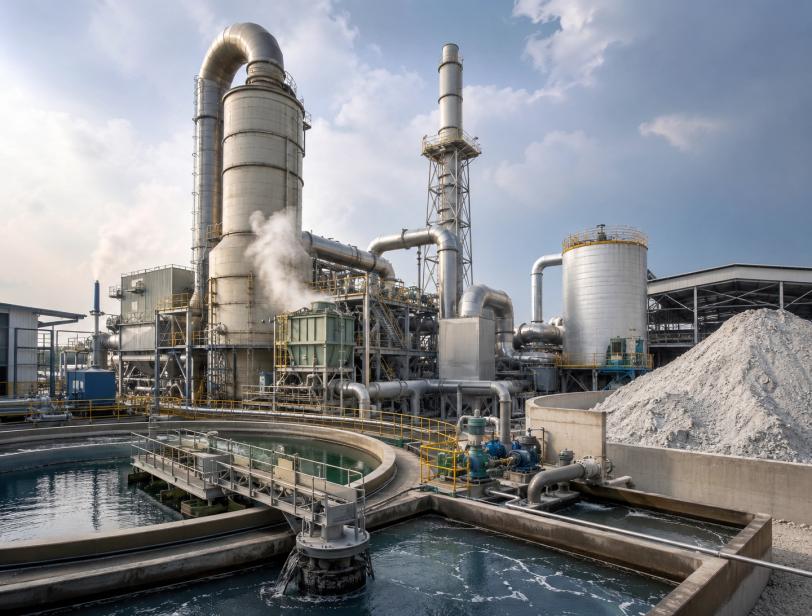
During wet flue gas cleaning, high-temperature flue gas is first cooled and then brought into contact with a liquid absorbent inside a scrubber or absorption tower. Limestone slurry, lime slurry or another alkaline solution reacts with acidic pollutants and converts them into more stable compounds.
Wet treatment generally provides strong gas-liquid contact and can be suitable for high gas volumes or relatively high sulfur concentrations. However, it may also produce wastewater or slurry that requires further handling.
Because the treated gas contains moisture and corrosive substances, the system should include appropriate anti-corrosion materials, slurry circulation equipment, mist eliminators and automatic control devices.
For industrial projects focused on sulfur dioxide removal, a dedicated flue gas desulfurization system can be incorporated into the overall treatment process.
Dry Flue Gas Treatment Process
The dry treatment process uses powdered absorbents, such as hydrated lime, to neutralize sulfur dioxide and other acidic gas components.
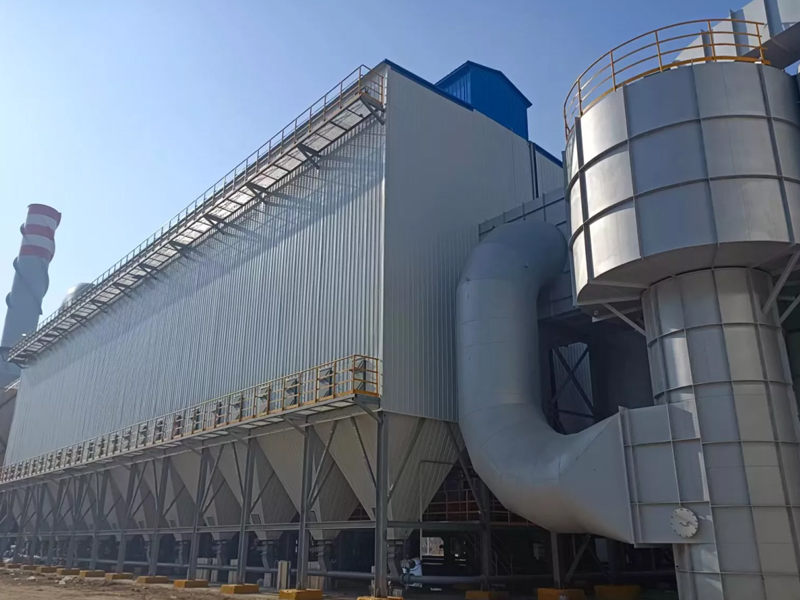
The absorbent is injected directly into the flue gas and mixed with the pollutants. After the chemical reaction, salts, unreacted absorbent, fly ash and other particles are collected by a fabric filter or an electrostatic precipitator.
Dry treatment generally consumes less water and produces dry reaction products that are easier to store, transport and dispose of. It can also be installed in existing production facilities where space or wastewater treatment capacity is limited.
The performance of a dry exhaust gas treatment system depends on several factors, including absorbent particle size, injection accuracy, gas temperature, mixing efficiency, reaction time and downstream filtration performance.
A dry process is often combined with industrial dust removal equipment to capture reaction products and fine particulate matter before the gas is discharged.
Semi-Wet Flue Gas Treatment Process
The semi-wet, or semi-dry, process combines characteristics of wet and dry treatment.
Lime slurry or milk of lime is atomized into fine droplets and sprayed into the flue gas. The droplets react with acidic pollutants while the heat contained in the gas evaporates most of the water.
As the droplets dry, calcium hydroxide and reaction products form fine solid particles. These particles are subsequently collected by a bag filter or another particulate filtration device.
Semi-wet treatment can achieve effective acid-gas removal while consuming less water and generating less wastewater than a conventional wet process. It is commonly considered for industrial boilers, waste incineration facilities and other projects that need to balance purification performance with residue management.
Key Stages in Tianshun’s Flue Gas Treatment Process
A complete flue gas treatment process usually includes several coordinated stages. The actual system configuration depends on the pollutants present and the required emission performance.
1. Pre-Treatment and Gas Cooling
Industrial flue gas may leave a furnace, boiler, kiln or incinerator at a temperature that is too high for downstream filtration or catalytic equipment.
The first stage therefore regulates gas temperature and removes larger particles where necessary. Cooling can protect filter media, catalysts, ducts and other equipment while creating suitable conditions for subsequent treatment.
Cyclone separators, settling chambers or other pre-separation equipment may also be installed when the untreated gas contains a high concentration of coarse dust.
2. Acid Gas Removal
Sulfur dioxide, hydrogen chloride and other acidic gases can be removed through wet, dry or semi-wet processes.
The selected process should provide sufficient contact between the gas and absorbent while controlling reagent consumption, pressure loss, corrosion, scaling and residue generation.
For gas streams containing substantial sulfur emissions, desulfurization should be coordinated with the upstream dust-removal stage and downstream purification equipment.
3. Particulate Filtration
Fine particulate matter and reaction products are commonly captured by bag filters or electrostatic precipitators.
Bag filters collect particles on the surface of filter media, while electrostatic precipitators charge particles and collect them on electrode plates. The appropriate equipment depends on gas temperature, particle size, dust concentration, moisture, chemical composition and required outlet concentration.
Efficient dust removal also protects downstream equipment against erosion, blockage and catalyst contamination.
4. NOx Reduction
Industrial boilers, furnaces and other high-temperature processes may generate nitrogen oxides that require a dedicated denitrification stage.
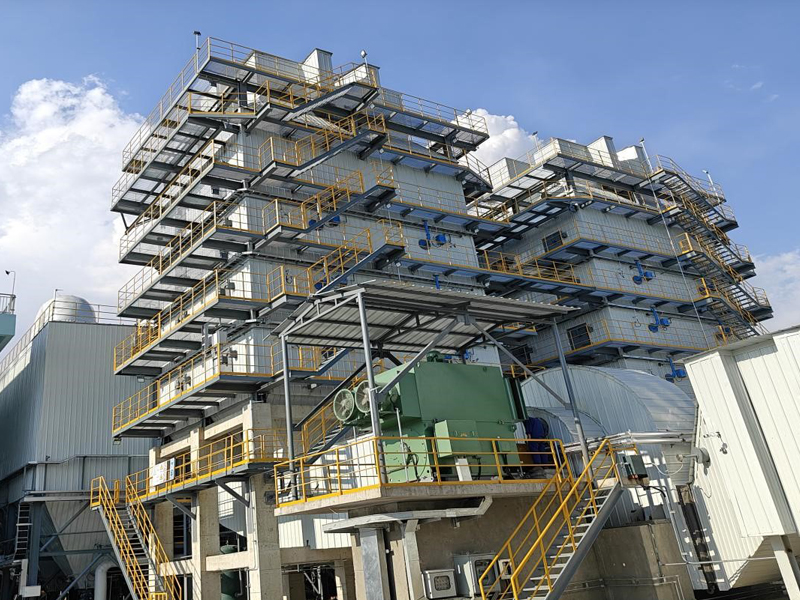
A flue gas denitrification system introduces ammonia, urea or another reducing agent into the gas stream. Under suitable reaction conditions, NOx is converted mainly into nitrogen and water.
For plants requiring deeper NOx reduction, scr flue gas treatment may be integrated into the system. Its performance depends on gas temperature, catalyst selection, reagent distribution, dust loading and reactor design.
5. Final Flue Gas Purification
After dust, sulfur oxides and nitrogen oxides have been treated, the gas may pass through an additional polishing stage.
Depending on the pollutant composition, final flue gas purification may include fine filtration, adsorption, neutralization or other process-specific technologies.
For residual heavy metals, organic compounds or trace pollutants, activated carbon flue gas treatment can be used as a supplementary treatment stage.
The treated gas is then monitored before it is safely released through the stack.
How to Select a Flue Gas Treatment Process
There is no single process suitable for every industrial facility. Before selecting a flue gas cleaning system, buyers should evaluate the following factors:
Pollutant Composition
The first step is to identify the pollutants contained in the gas, including dust, SO₂, NOx, acidic gases, heavy metals and organic compounds.
Different pollutants require different removal mechanisms, and several treatment technologies may need to be combined.
Flue Gas Flow and Temperature
Gas flow determines equipment capacity, filtration area, duct dimensions and fan power. Temperature affects material selection, filter performance, chemical reactions and catalyst efficiency.
The system should also accommodate fluctuations caused by changes in production load or raw materials.
Required Outlet Emission Levels
Required emission limits directly influence the number and configuration of treatment stages.
Projects with stricter outlet requirements may need more precise reagent control, additional filtration, deeper desulfurization or denitrification, and final polishing equipment.
Site Conditions and Utilities
Available space, water supply, electricity, compressed air, wastewater capacity and maintenance access can influence the selection between wet, dry and semi-wet processes.
For existing plants, the equipment layout should minimize unnecessary changes to the original production line.
Lifecycle Operating Cost
Equipment price is only one part of the total investment. Buyers should also consider electricity consumption, absorbent usage, filter and catalyst replacement, waste disposal, maintenance requirements and possible production downtime.
A properly designed system can provide more stable long-term operation than equipment selected only according to initial price.
Benefits of Tianshun’s Optimized Flue Gas Treatment Process
Coordinated Pollutant Removal
An integrated system can combine cooling, particulate filtration, desulfurization, denitrification and final purification to control multiple pollutants within one coordinated process.
Stable Treatment Performance
Equipment and operating parameters are selected according to actual gas conditions, helping the system adapt to changes in gas volume, temperature and pollutant concentration.
Controlled Operating Costs
Optimized duct layout, equipment sizing, reagent dosing and automatic control can help reduce unnecessary energy and material consumption.
Protection of Downstream Equipment
Effective cooling and dust removal can reduce blockage, corrosion, erosion and catalyst contamination in downstream treatment units.
Flexible System Configuration
Different purification modules can be combined according to the industrial process, pollutant profile, available space and required emission level.
Tianshun can configure the complete system for furnaces, boilers, kilns, waste incineration facilities, metallurgy plants and other industrial production lines.
Conclusion
An effective flue gas treatment process should be selected according to pollutant composition, gas temperature, flow rate, plant conditions and required emission limits.
Wet treatment is suitable for many high-capacity acid-gas removal projects. Dry treatment reduces water consumption and produces easier-to-handle residues, while semi-wet treatment provides a balance between purification efficiency and wastewater generation.
By integrating these processes with dust filtration, desulfurization, denitrification and final purification, Tianshun can provide a customized flue gas treatment system that supports stable industrial operation and long-term emission control.
For a preliminary technical proposal, provide Tianshun with your flue gas flow rate, temperature, dust concentration, SO₂ and NOx concentrations, operating hours and required outlet emission limits.
Frequently Asked Questions
What is a flue gas treatment process?
A flue gas treatment process is a series of physical, chemical or catalytic stages used to remove dust, sulfur oxides, nitrogen oxides and other pollutants from industrial exhaust gas.
What are the three main flue gas treatment methods?
The three main methods are wet treatment, dry treatment and semi-wet treatment. Each one has different requirements for water consumption, absorbent use, residue handling and equipment configuration.
What is the difference between wet and dry flue gas treatment?
Wet treatment uses a liquid absorbent and generally provides strong gas-liquid contact, while dry treatment injects powdered absorbent and produces dry reaction products that are collected by filtration equipment.
Can a flue gas treatment system remove dust, SO₂ and NOx?
Yes. A complete system can combine particulate filtration, desulfurization and denitrification technologies to treat several pollutants through a coordinated process.
What information is needed to select a treatment system?
The supplier normally requires flue gas flow, temperature, dust concentration, SO₂ and NOx concentrations, moisture content, operating hours, required outlet limits and site layout.
 English