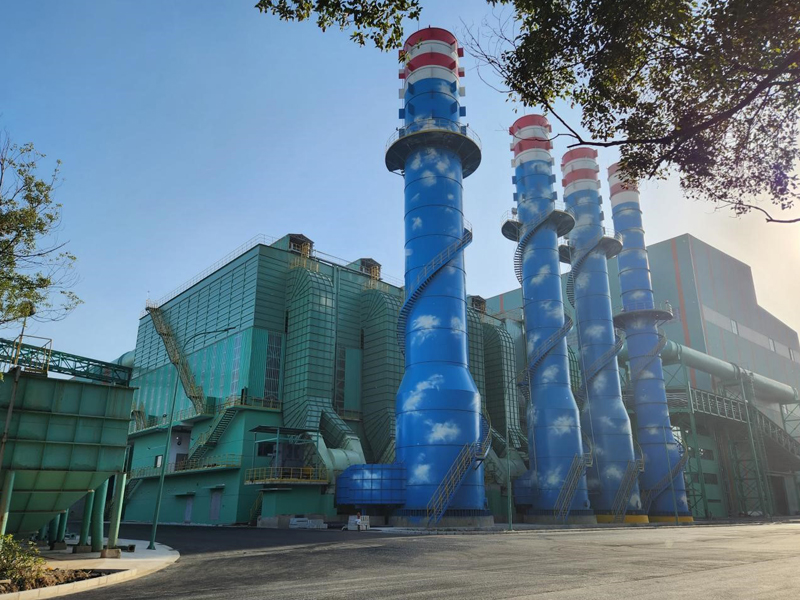
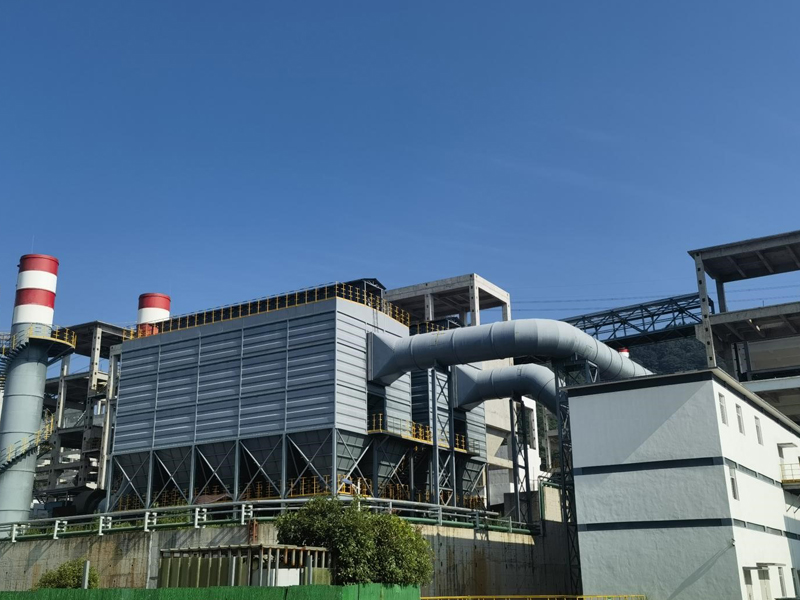
Industrial flue gas often contains more than one pollutant. A furnace, boiler, kiln, smelting line, or chemical production process may generate particulate matter, sulfur dioxide, nitrogen oxides, acid gases, heavy metals, moisture, and corrosive components at the same time. This is why a complete flue gas treatment system is usually more effective than a single isolated device.
For B2B industrial buyers, the goal of flue gas treatment is not only to reduce emissions. The system must also protect production continuity, reduce maintenance risk, control operating costs, and help the factory meet environmental requirements over the long term.
The European Environment Agency air pollution overview highlights the broader environmental and health impacts of air pollution. For industrial plants, this makes reliable treatment design an important part of responsible production.
What Is an Industrial Flue Gas Treatment System?
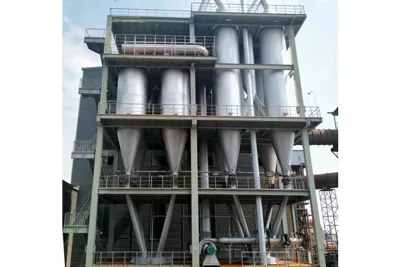
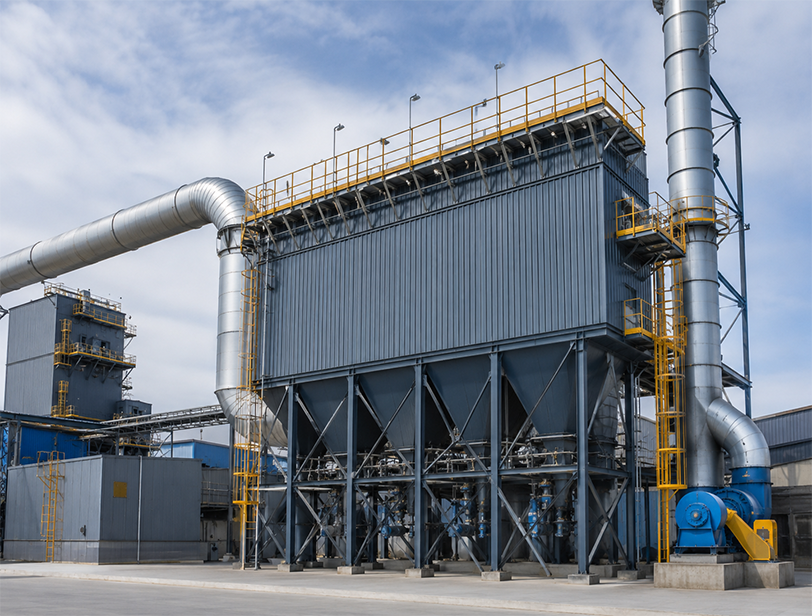
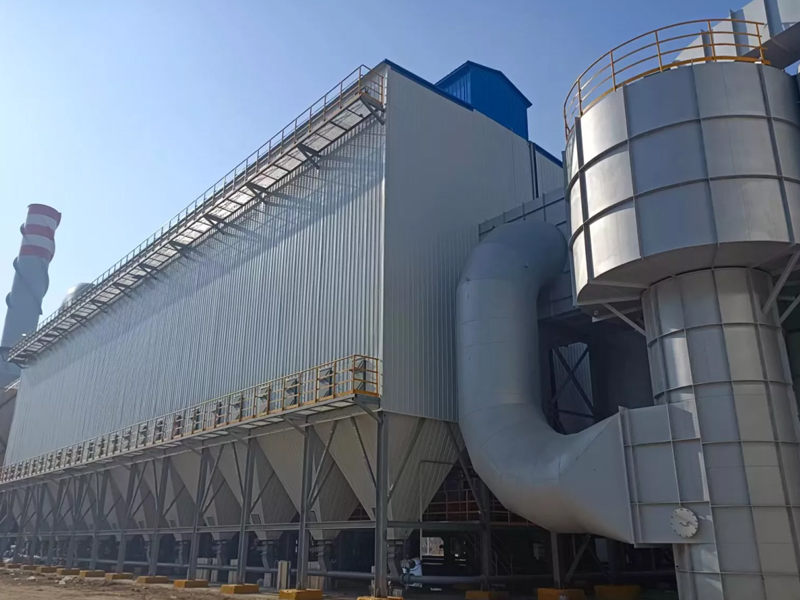
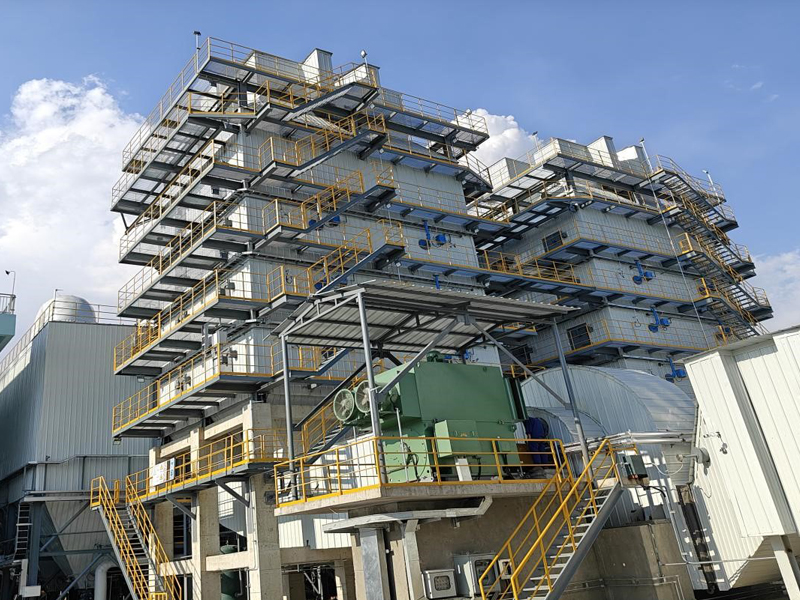
An industrial flue gas treatment system is a set of equipment and processes used to remove or reduce pollutants from exhaust gas before discharge. Depending on the project, it may include dust collectors, desulfurization units, denitrification systems, scrubbers, activated carbon adsorption, fans, ducts, instruments, and control systems.
The system is designed according to gas flow, pollutant composition, process temperature, emission limit, site layout, and production schedule. In many industries, gas conditions fluctuate, so the treatment route must remain stable under different operating loads.
Tianshun provides customized flue gas treatment technologies for industrial projects that require coordinated dust, SO2, NOx, and gaseous pollutant control.
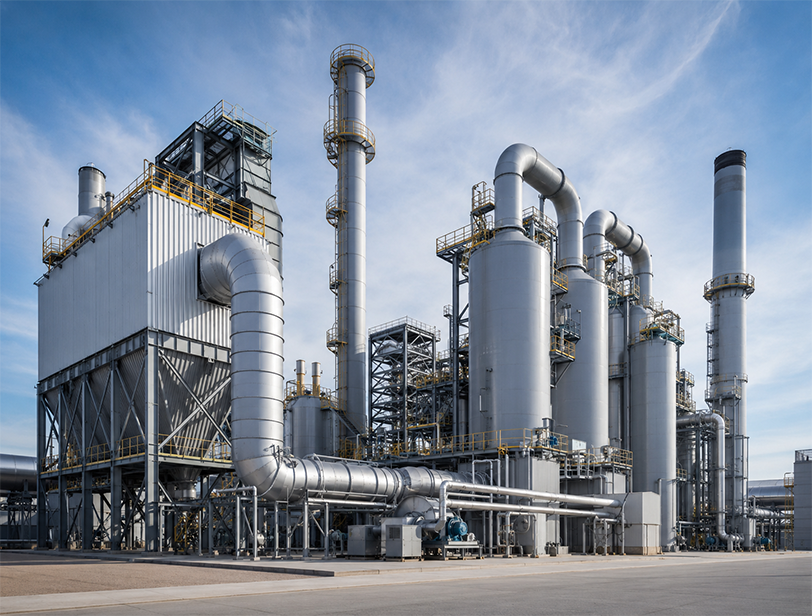
What Pollutants Should a Flue Gas Treatment System Remove?
The first major pollutant is dust or particulate matter. Dust can come from combustion, material handling, smelting, sintering, grinding, drying, and thermal processing. If not controlled, it can affect air quality, block downstream equipment, and increase maintenance pressure.
The second major pollutant is SO2. Sulfur dioxide is generated when sulfur-containing fuel or raw materials are processed. For this pollutant, flue gas desulfurization equipment is usually required to support sulfur dioxide reduction.
The third major pollutant is NOx. Nitrogen oxides are mainly formed under high-temperature combustion or thermal reaction conditions. For this challenge, flue gas denitrification systems help convert NOx into less harmful components.
Some projects also require gaseous pollution control for acid gases, volatile compounds, heavy metals, or other process-specific pollutants. The final treatment route should be selected according to actual gas analysis rather than general assumptions.
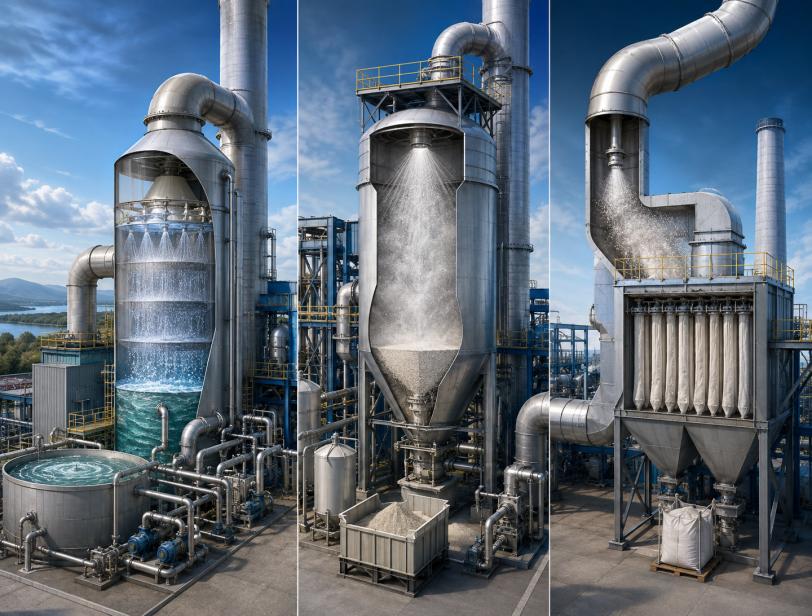
Dust Removal, Desulfurization and Denitrification: How They Work Together
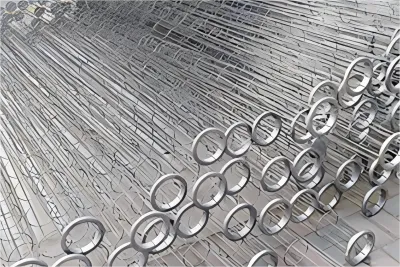
Dust removal is often placed near the front of the treatment route to reduce particulate load and protect downstream equipment. Depending on dust characteristics, a bag filter, electrostatic precipitator, cyclone, or wet scrubber may be selected.
Desulfurization removes SO2 and acidic gas components. Wet FGD, dry FGD, semi-dry FGD, or fixed-bed desulfurization can be selected according to gas volume, SO2 concentration, water availability, and by-product management.
Denitrification focuses on NOx reduction. SCR is commonly used when high NOx removal efficiency is required. The denitrification system must be integrated carefully because catalyst performance can be affected by dust, sulfur, and temperature.
A complete air pollution control system connects these technologies in a logical sequence. Proper engineering reduces resistance, improves treatment efficiency, and avoids repeated equipment modification.
How to Choose Flue Gas Treatment Technologies for Different Industries
Different industries require different flue gas treatment technologies. A steel plant may focus on dust and NOx. A boiler project may need dust, SO2, and NOx control. A chemical facility may require acid gas removal or special corrosion protection. A silicon material project may require deep purification for dust, acidic gases, and heavy metals.
Selection should begin with process data. Buyers should prepare gas flow rate, temperature range, dust concentration, SO2 concentration, NOx concentration, moisture content, oxygen content, pressure condition, working hours, and target emission standards.
The right pollution control equipment should be selected based on engineering value. A lower-cost device may fail if the system sequence is wrong, gas distribution is poor, or the material cannot resist corrosion.
Why Custom System Design Matters for Industrial Emissions
Industrial emissions are highly site-specific. Even two plants in the same industry may have different pollutant concentrations, operating schedules, raw materials, and equipment layout. This is why customized system design is important for reliable environmental pollution and control technologies.
A custom design can optimize duct arrangement, fan selection, reaction time, absorbent consumption, pressure drop, control logic, and maintenance access. It can also reserve upgrade space for future emission standards.
For global industrial buyers, Tianshun can help evaluate pollutant data and design a practical flue gas cleaning system that matches production needs, environmental targets, and project budget.
Conclusion
A reliable flue gas treatment system should address the complete pollutant profile of an industrial plant, including dust, SO2, NOx, acid gases, and other process-specific emissions. The best result comes from integrated system design rather than disconnected equipment selection.
Tianshun provides customized flue gas treatment solutions to help factories reduce industrial waste air pollution, improve compliance, and build cleaner production systems for long-term operation.
FAQ
Q1: What equipment is included in a flue gas treatment system?
It may include dust collectors, FGD equipment, denitrification systems, scrubbers, adsorption units, fans, ducts, monitoring instruments, and automatic control systems.
Q2: Should dust removal come before desulfurization and denitrification?
In many projects, dust removal is placed upstream to reduce particulate load and protect downstream equipment, but the final sequence depends on gas conditions and process design.
Q3: Why is custom design important for flue gas treatment?
Because gas composition, temperature, flow rate, pollutant concentration, and emission standards vary greatly between plants.
 English