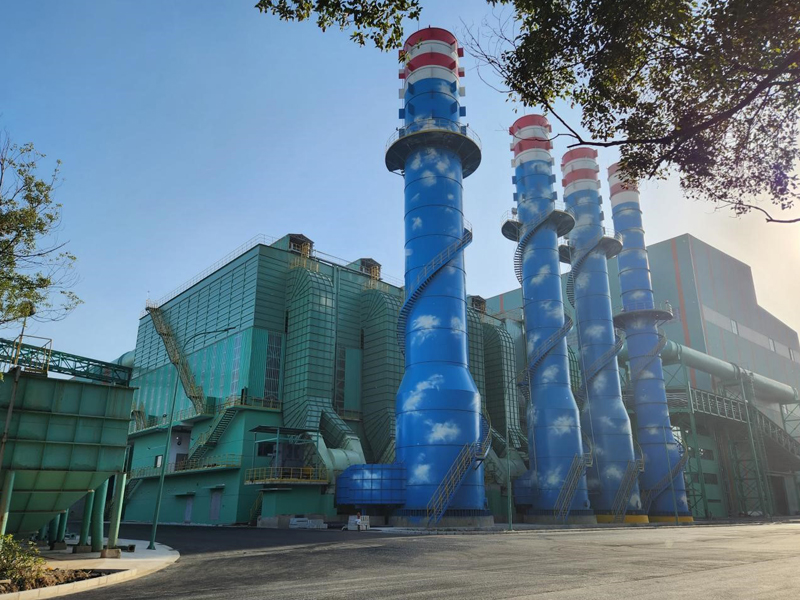
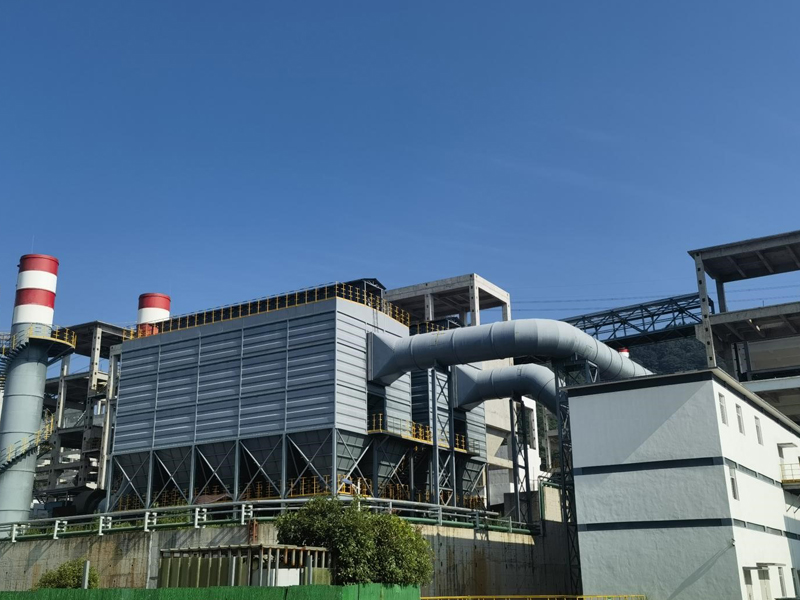
Dust is one of the most common pollutants in industrial flue gas. It appears in boilers, furnaces, cement plants, metallurgy, mining, chemical processing, silicon production, material handling, and many thermal production processes. For these sites, dust removal equipment is essential for emission compliance and stable plant operation.
A well-designed industrial dust removal equipment solution does more than collect particles. It also protects downstream equipment, reduces visible emissions, improves workplace conditions, and helps other treatment units operate more effectively.
The EPA fabric filter overview explains that fabric filters remove particles by collecting dust on filter media, while the EPA electrostatic precipitator overview describes ESPs as devices that charge particles and collect them on plates. In practice, both technologies can be useful when selected correctly.
What Is Industrial Dust Removal Equipment?
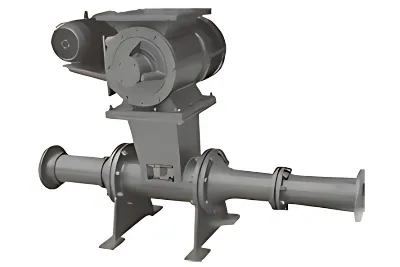
industrial dust removal equipment is used to capture particulate matter from gas streams before they are released into the atmosphere. Common equipment includes bag dust collectors, electrostatic precipitators, cyclones, wet scrubbers, cartridge collectors, and combined dust treatment systems.
The selected dust control system depends on dust concentration, particle size, gas temperature, moisture content, explosiveness, stickiness, corrosion, air volume, and emission limits. Choosing the wrong system may cause high pressure drop, filter blockage, poor collection efficiency, or unstable operation.
Tianshun provides dust control equipment for industrial clients that need reliable particulate emission control as part of a larger environmental protection system.
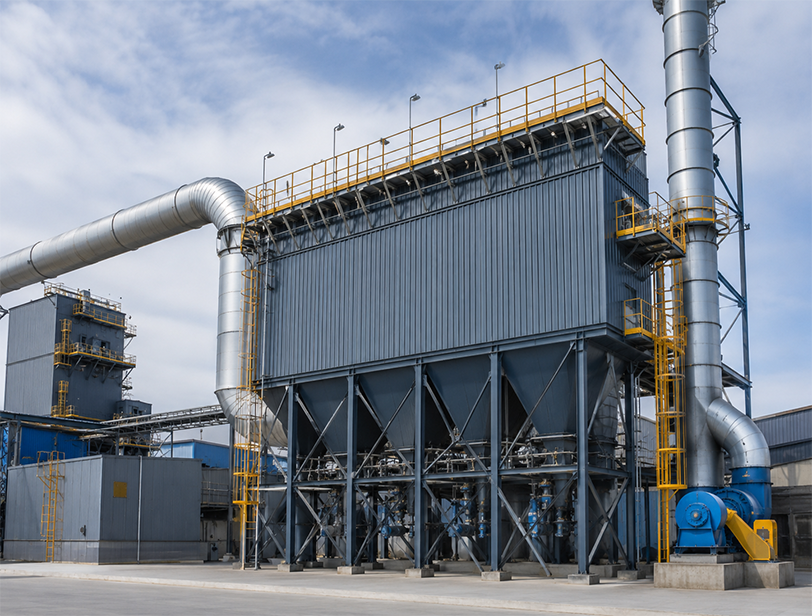
How Does a Bag Filter Dust Removal System Work?
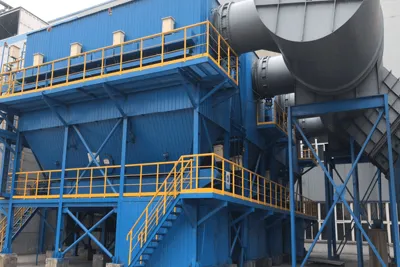
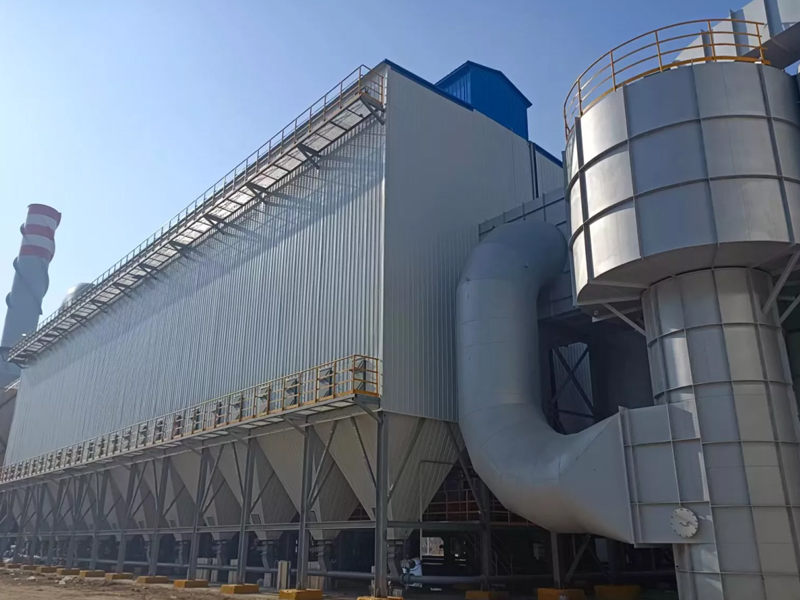
A bag filter, also called a baghouse, uses fabric filter bags to capture dust particles. Dusty gas enters the collector, passes through filter bags, and leaves as cleaner gas. Dust accumulates on the outside of the bags and is removed by pulse-jet cleaning, reverse air, or mechanical shaking.
A filter bag dust collector is often selected for fine particles, high collection efficiency, and stable emission control. The filter material should be matched to gas temperature, chemical composition, moisture, and dust properties.
The performance of a dust filtration system depends on filtration velocity, filter area, cleaning cycle, bag material, air distribution, and ash discharge design. Poor airflow distribution can shorten filter life and increase maintenance needs.
Bag Filter vs Electrostatic Precipitator: Which Is Better?
Bag filters are suitable for many applications requiring high particulate removal efficiency, especially when dust concentration and particle size are manageable through proper filter selection. They can provide consistent outlet concentration when maintained correctly.
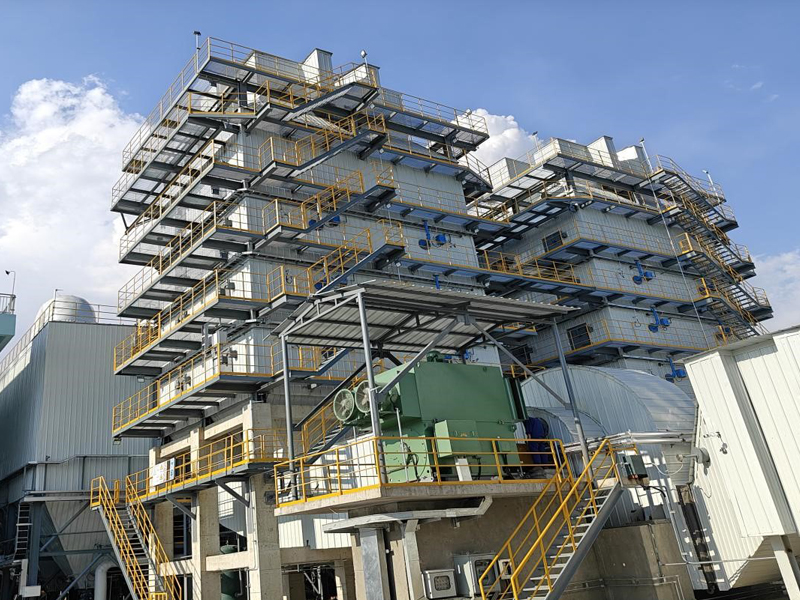
An electrostatic precipitator uses electrical energy to charge dust particles and collect them on plates. ESPs are commonly used for large gas volumes, high-temperature gas streams, and applications where low pressure drop is valuable.
There is no universal winner between bag filters and ESPs. The better option depends on particle resistivity, gas volume, temperature, moisture, dust load, maintenance preference, site space, and emission target. In some projects, multiple technologies may be combined for stronger control.
Where Is Dust Removal Equipment Used?
dust removal equipment is used in power plants, steel mills, non-ferrous metallurgy, cement plants, lime kilns, glass production, silicon material plants, chemical factories, biomass boilers, waste incineration, and mineral processing.
In these industries, dust removal is often the first step before desulfurization, denitrification, or adsorption. If dust is not controlled, it may damage catalysts, block ducts, reduce heat exchange efficiency, and increase corrosion risk.
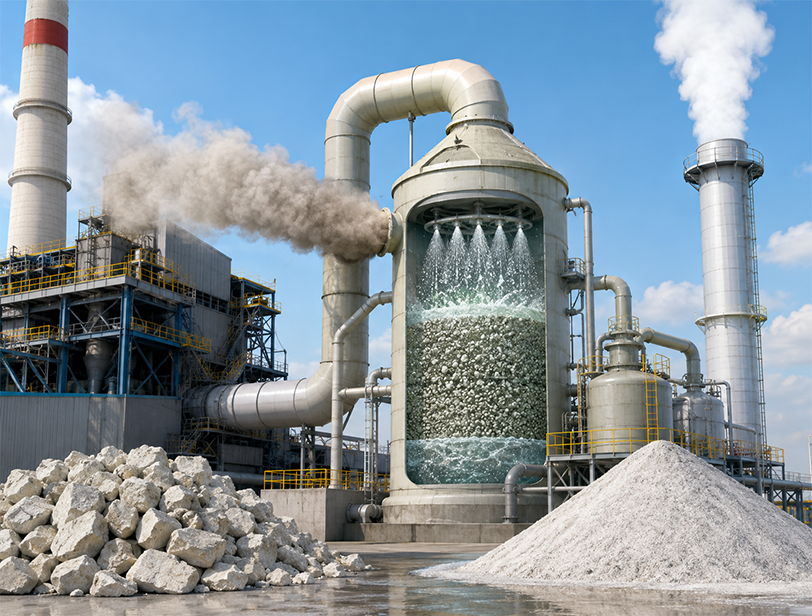
For multi-pollutant projects, dust control should be integrated with a flue gas treatment system so that downstream SO2, NOx, and gaseous pollutant units can operate under better conditions.
How to Choose a Dust Control System for Industrial Emissions
To choose the right dust control system, buyers should prepare gas volume, temperature, dust concentration, particle size distribution, moisture content, gas chemistry, pressure condition, target outlet concentration, and operating schedule.
The supplier should also evaluate whether the dust is abrasive, sticky, explosive, hygroscopic, or corrosive. These characteristics affect filter material, hopper design, cleaning method, ash discharge, safety devices, and maintenance strategy.
For procurement teams searching for products for dust control, it is important to compare complete system value instead of only equipment model. A reliable system should include stable collection performance, accessible maintenance, durable materials, automatic control, and engineering support.
Conclusion
industrial dust removal equipment plays a critical role in particulate emission control and overall flue gas treatment. Bag filters, electrostatic precipitators, and other collectors should be selected according to dust properties, gas conditions, and compliance targets.
Tianshun provides customized dust removal equipment and integrated industrial dust collector system solutions to help factories reduce particulate emissions, protect downstream equipment, and build cleaner production lines.
FAQ
Q1: What is the difference between a bag filter and an electrostatic precipitator?
A bag filter captures dust with fabric filter media, while an electrostatic precipitator charges particles electrically and collects them on plates.
Q2: What data is needed to design dust removal equipment?
Key data includes gas volume, temperature, dust concentration, particle size, moisture content, gas chemistry, and target emission limit.
Q3: Can dust removal equipment be combined with desulfurization and denitrification?
Yes. Dust removal is often integrated with FGD and DeNOx systems to form a complete industrial flue gas treatment system.
 English