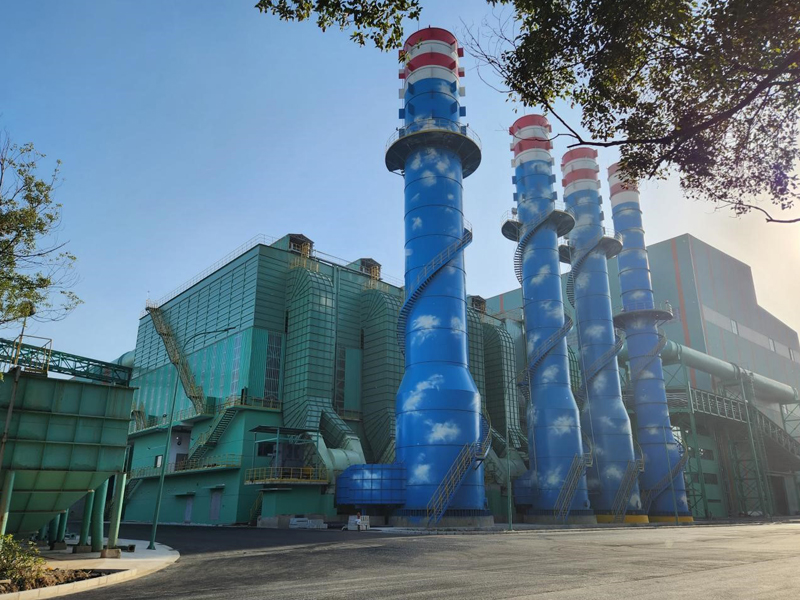
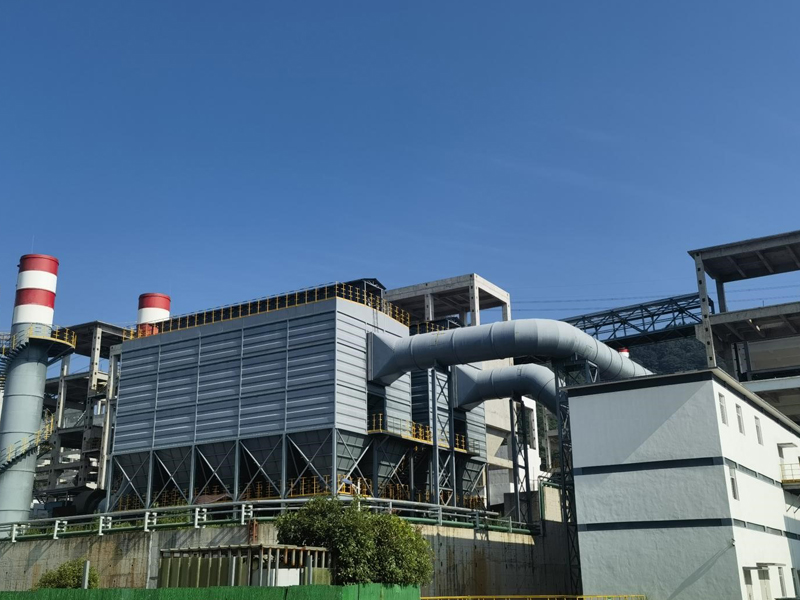
Many industrial buyers ask for a quick flue gas desulfurization cost before providing process data. In reality, there is no fixed price for an FGD project because every plant has different gas volume, pollutant concentration, working temperature, process layout, local emission limits, and installation conditions.
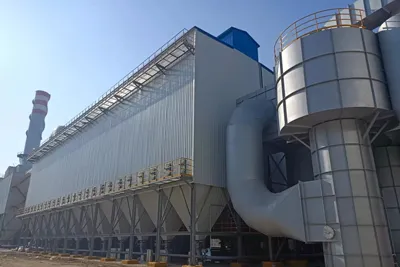
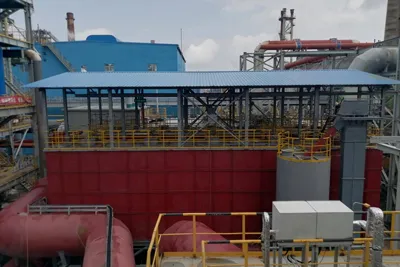
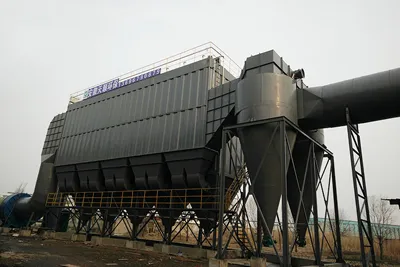
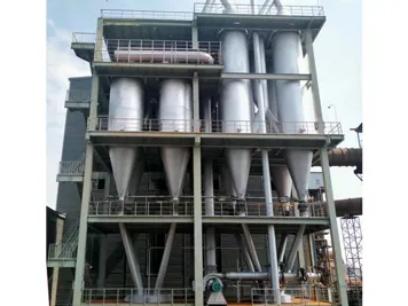
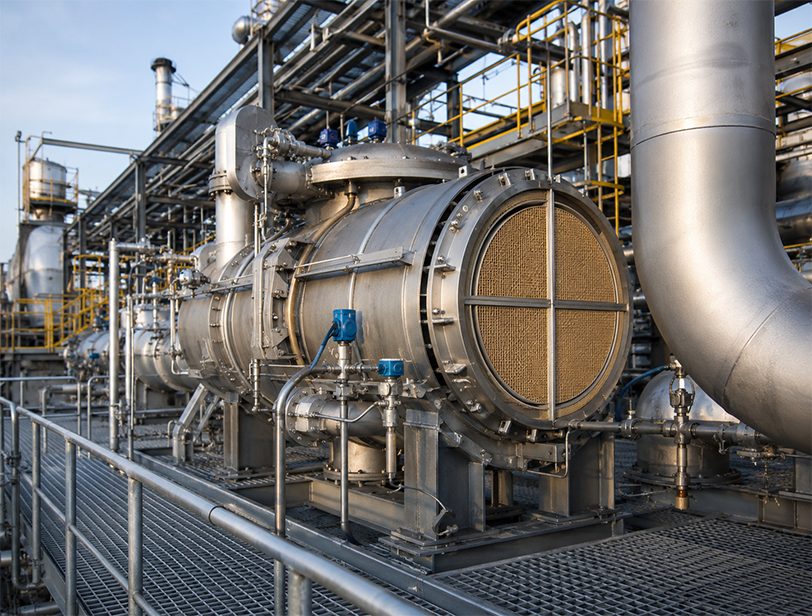
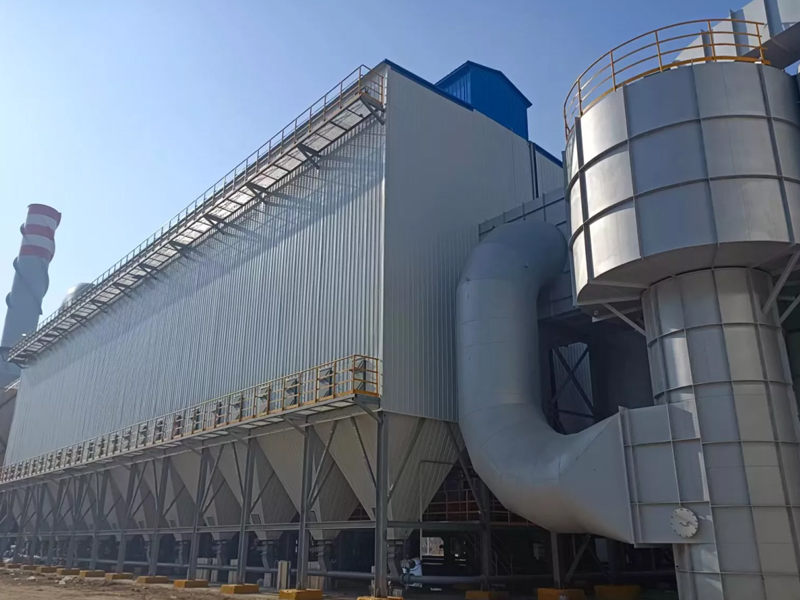
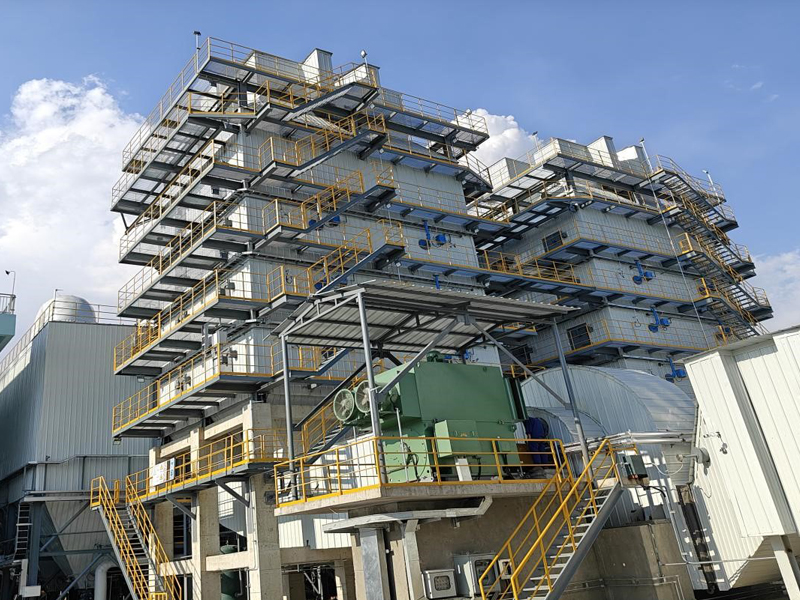
A complete flue gas desulfurization equipment project is not just an absorber tower. It may include slurry preparation, circulation pumps, demisters, ducts, fans, automatic control, anti-corrosion lining, platforms, instruments, and commissioning service. These parts directly influence both the initial investment and the long-term operating cost.
The EPA Clean Air Technology Center describes flue gas desulfurization as a sulfur dioxide control technology, but the actual project cost depends on how the technology is applied to a specific industrial site.
Why Is There No Fixed Flue Gas Desulfurization Cost?
flue gas desulfurization cost is project-based because industrial exhaust conditions are rarely identical. Two factories may both need desulfurization equipment, but one may have high SO2 concentration and continuous operation, while another may have lower concentration, intermittent operation, and limited installation space.
The selected process also changes the budget. A wet flue gas desulfurization system may require tanks, pumps, slurry circulation, wastewater handling, and corrosion protection. A dry or semi-dry system may require different absorbent feeding, reaction, and dust collection arrangements. Therefore, equipment cost must be evaluated together with operation cost.
For B2B procurement, the goal should not be to find the cheapest quotation. The better goal is to find an environmental protection solution that meets emission limits, runs reliably, and keeps maintenance predictable over the equipment lifecycle.
Main Factors That Affect FGD System Price
The first factor is flue gas volume. Larger gas volume usually requires a bigger absorber, larger ducts, stronger fans, and higher circulation capacity. This increases steel consumption, pump power, foundation requirements, and installation workload.
The second factor is SO2 concentration. Higher sulfur content means the system must process more pollutant load per hour. This can increase reagent consumption, reaction volume, liquid circulation rate, demister demand, and by-product handling requirements.
The third factor is removal efficiency. A system designed for standard compliance may be less complex than a system designed for ultra-low emissions. Higher removal targets often require more optimized gas-liquid contact, precise control, and stronger mist elimination.
The fourth factor is material selection. FGD gas can be wet, acidic, hot, and corrosive. Anti-corrosion lining, stainless steel, FRP, rubber lining, or other material choices can strongly influence initial cost but may reduce downtime and repair cost later.
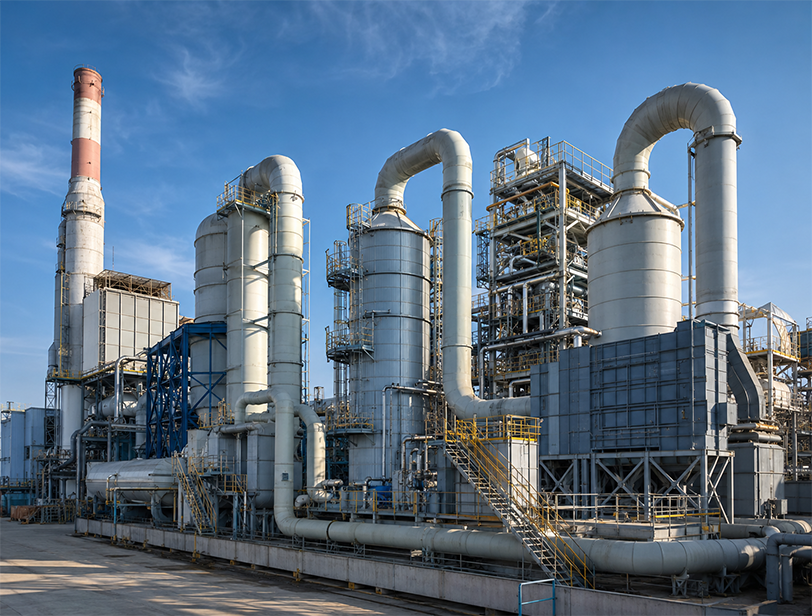
How Pollutant Concentration and Gas Volume Influence Equipment Selection
Gas volume determines how much exhaust the system must handle, while pollutant concentration determines how much SO2 must be removed. Both values are essential for sizing the absorber and auxiliary equipment. If either value is underestimated, the system may fail to meet emission standards.
In heavy industrial applications, gas conditions may change with production load, fuel type, raw material sulfur content, furnace operation, and seasonal conditions. A good flue gas desulfurization process should consider these fluctuations rather than only designing for average data.
For plants that must treat dust, SO2, NOx, and other gases together, an integrated flue gas treatment system may be more economical than separate disconnected units. Proper layout reduces resistance, avoids repeated duct modification, and improves overall system coordination.
Why Custom Desulfurization Equipment May Reduce Long-Term Costs
Standard equipment may look attractive at the inquiry stage, but custom design often saves money over time. A customized desulfurization system can match site space, gas composition, local standards, maintenance habits, and future expansion plans.
A custom FGD project can reduce unnecessary oversizing while protecting critical areas against corrosion and scaling. It can also optimize pump selection, duct layout, control strategy, and reagent usage. These details directly affect electricity consumption, downtime, labor input, spare parts demand, and system life.
For example, when a plant also needs emission control equipment for NOx reduction, engineering the desulfurization and denitrification routes together can improve treatment sequence and reduce later reconstruction costs.
What Information Should Buyers Provide Before Requesting a Quote?
To receive a practical FGD quotation, buyers should prepare flue gas flow rate, inlet temperature, SO2 concentration, oxygen content, dust concentration, moisture content, operating hours, fuel or process type, target outlet emission limit, site drawings, and utility conditions.
If complete data is not available, Tianshun can still provide a preliminary proposal based on estimated working conditions. However, a final technical solution and accurate flue gas desulfurization cost should be confirmed after engineering review.
The quotation should clearly show equipment scope, process route, expected performance, automation level, material configuration, installation requirements, spare parts, and after-sales support. This helps buyers compare suppliers on real project value rather than only headline price.
Conclusion
flue gas desulfurization cost is influenced by gas volume, SO2 concentration, removal efficiency, materials, automation, site layout, and long-term operation requirements. A low-price system that cannot operate stably may become expensive after installation.
For industrial buyers seeking reliable solutions to reduce pollution, Tianshun provides customized desulfurization equipment and complete FGD engineering support to help factories control sulfur dioxide emissions and reduce lifecycle risk.
FAQ
Q1: What is the biggest factor affecting flue gas desulfurization cost?
The biggest factors are flue gas volume, SO2 concentration, required removal efficiency, and material selection. These determine the size and complexity of the system.
Q2: Can I get an FGD quotation without complete emission data?
Yes, a preliminary estimate may be possible, but a final quotation should be based on verified gas data and project requirements.
Q3: Does a higher initial FGD price always mean higher total cost?
No. A better-designed system may cost more initially but reduce power consumption, reagent waste, corrosion repair, and production downtime over time.
 English