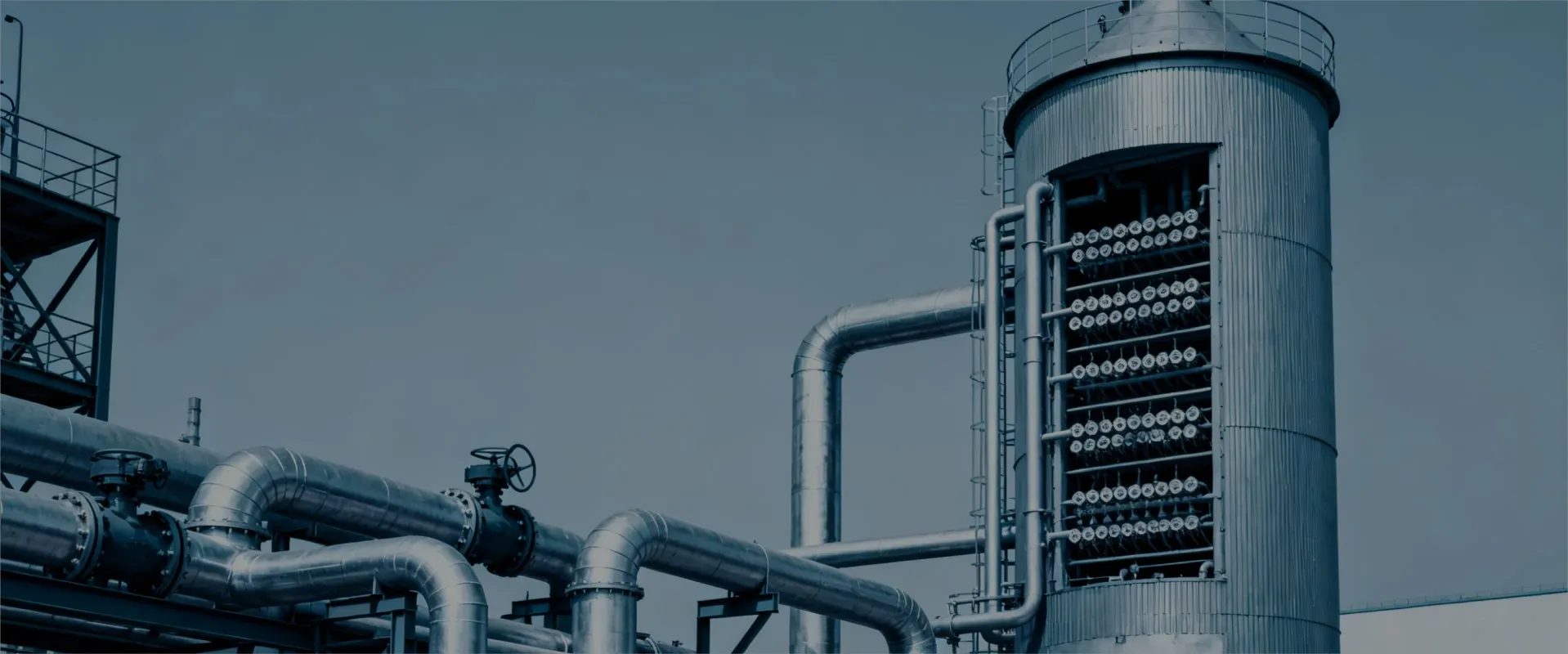
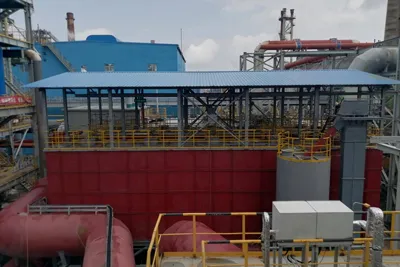
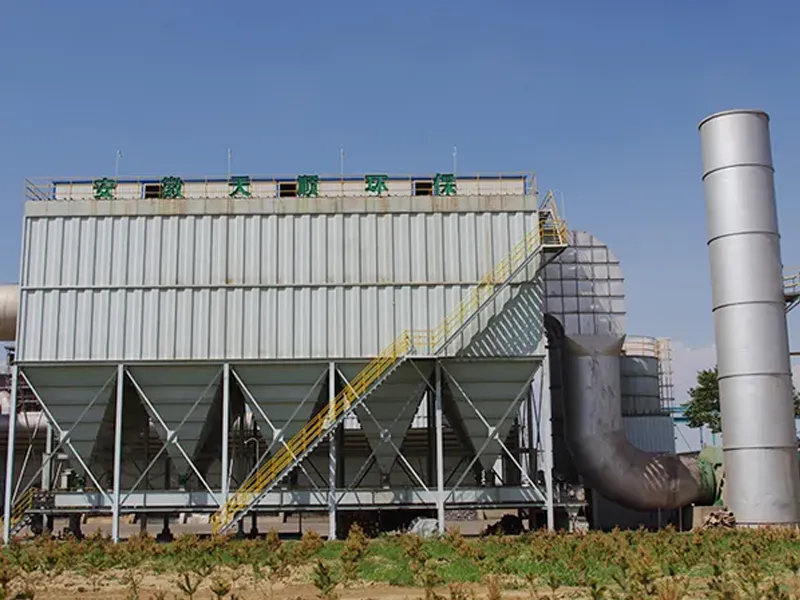
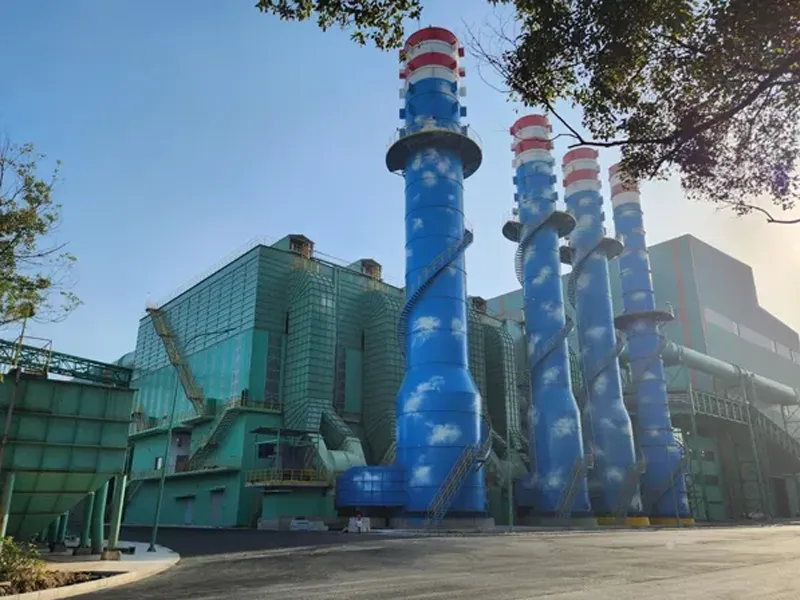
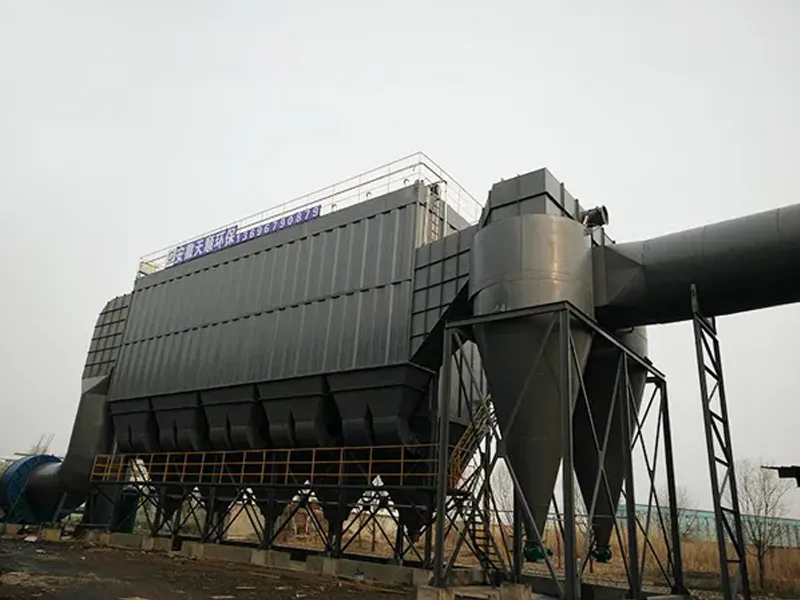
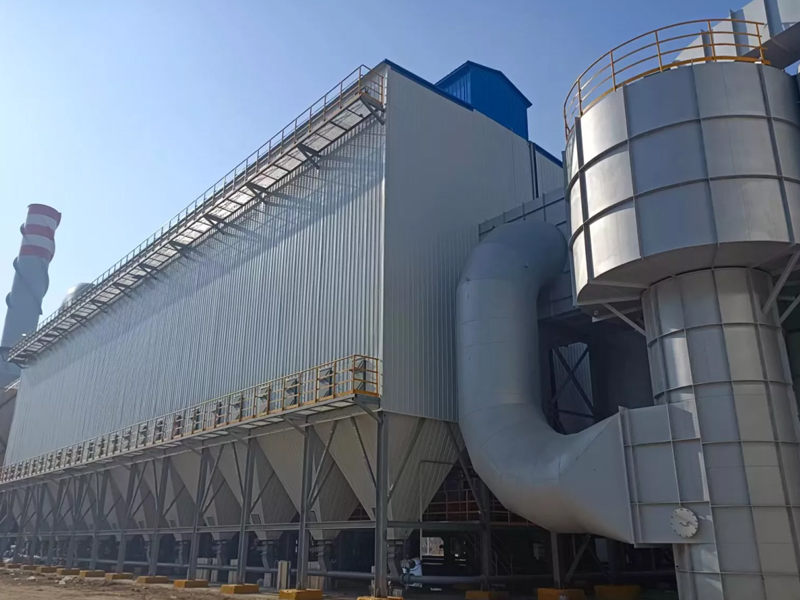
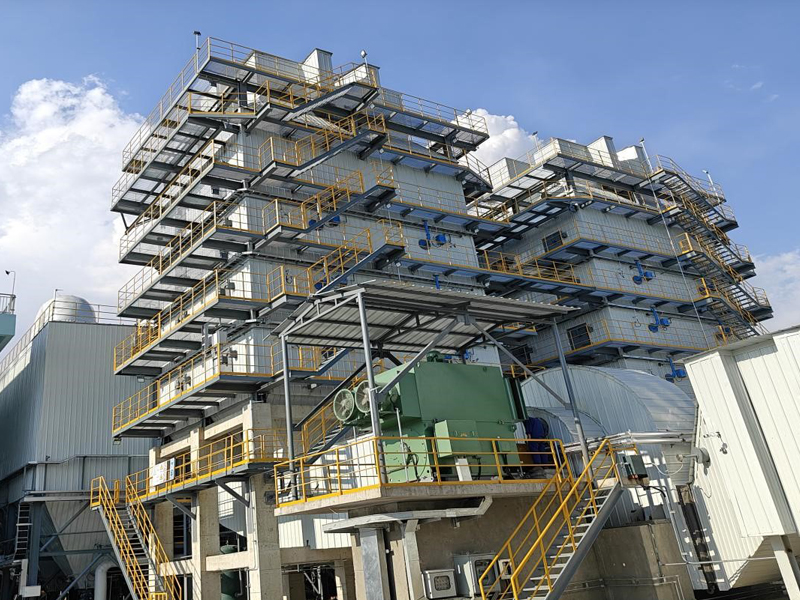
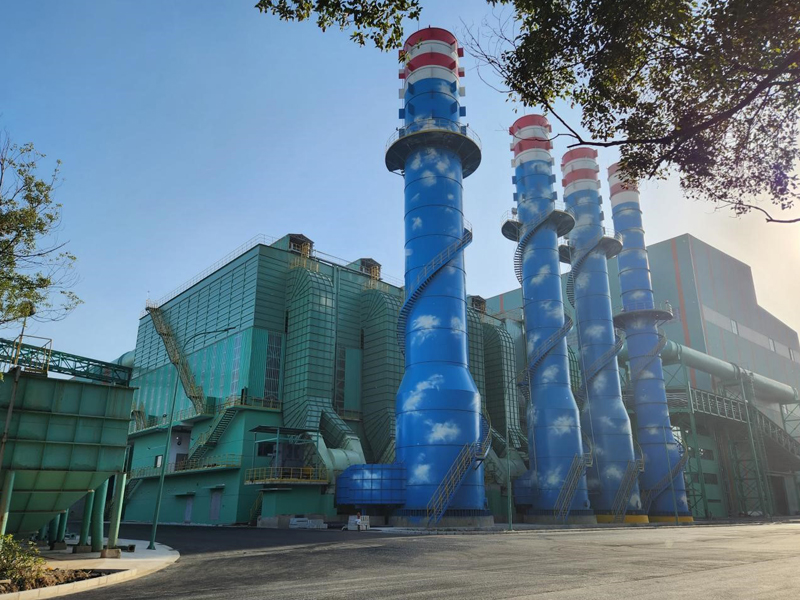
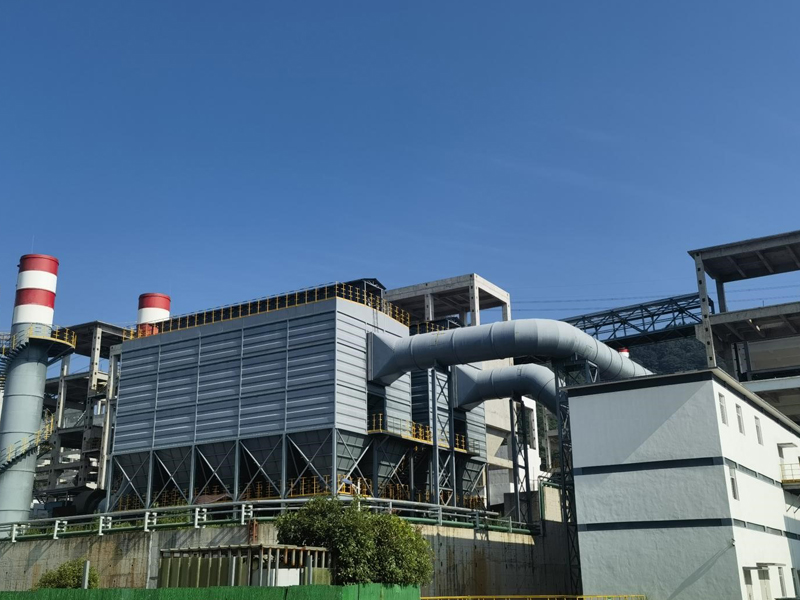
Flue gas purification system for the 100,000-ton/year granular silicon green upgrading project is custom-designed to deeply treat flue gases produced during operation. It efficiently removes dust, acidic gases, and heavy metals, reduces pollutant emissions, ensures compliance with national environmental standards, and supports green, low-pollution production.
System Features:
High-efficiency Purification: It adopts advanced multi-stage purification technology, achieving an extremely high removal rate for various pollutants and ensuring compliant flue gas emissions.
Intelligent Control: Equipped with an advanced automatic control system, it can monitor and adjust purification parameters in real - time, realizing intelligent operation and improving the system's stability and reliability.
Energy-saving and Consumption-reducing: Through optimized design of air ducts and equipment selection, it reduces the system's energy consumption. While ensuring the purification effect, it also saves operating costs.
Corrosion - resistant: Key components are made of corrosion-resistant materials, adapting to the complex chemical environment of the flue gas in granular silicon production and extending the equipment's service life.
Application Scenarios:
It is mainly applied to enterprises with an annual production capacity of 100,000 tons of granular silicon, especially in production processes such as granular silicon reduction and tail - gas recovery. It can help enterprises solve flue gas pollution problems, enhance their environmental image, meet the national requirements for green and environmentally - friendly industrial production, and promote the sustainable development of enterprises.
 English