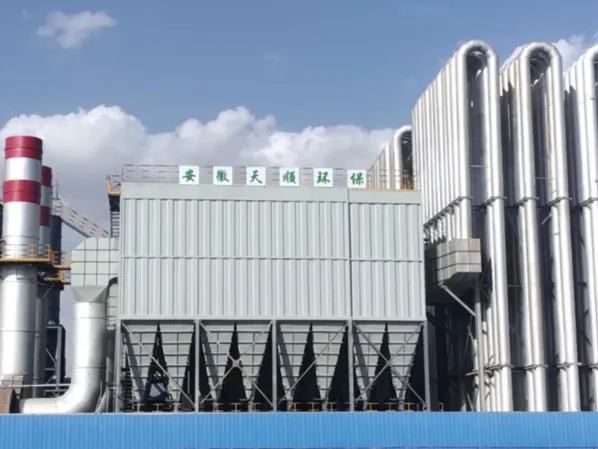
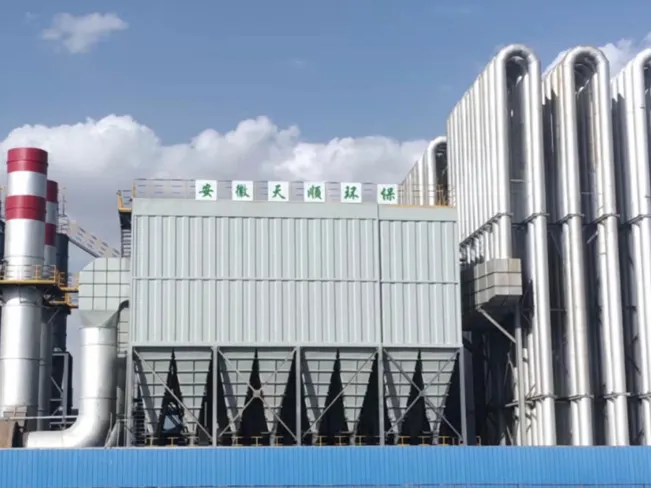
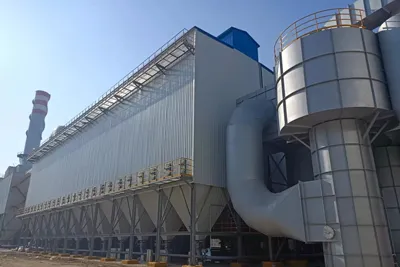
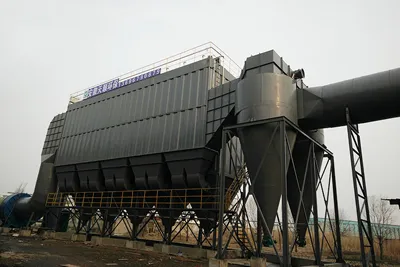
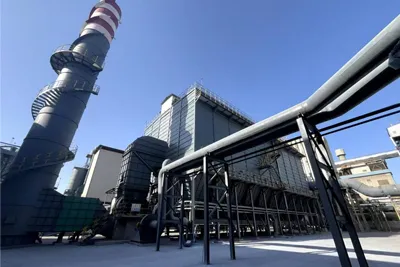
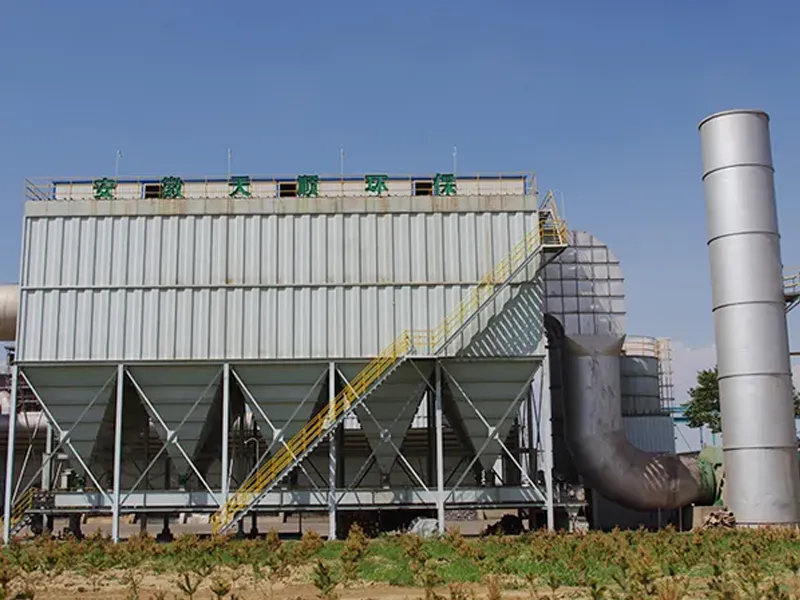
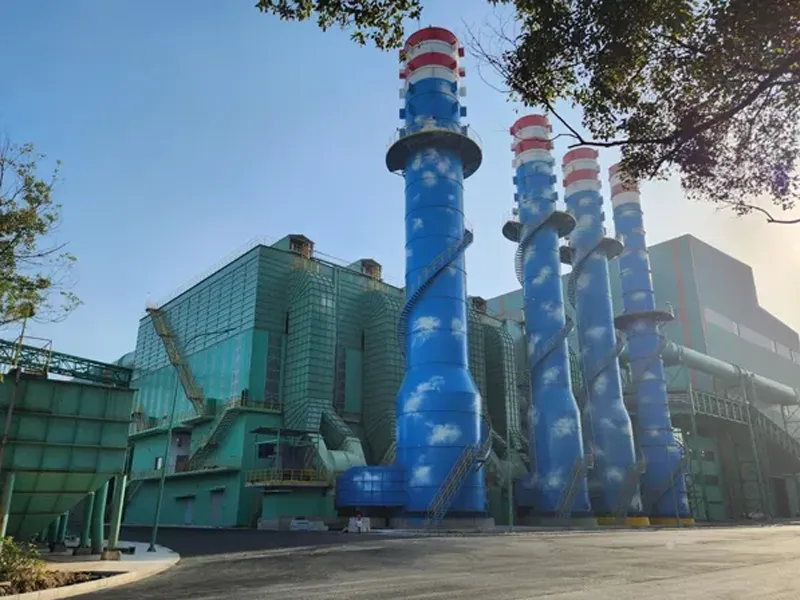
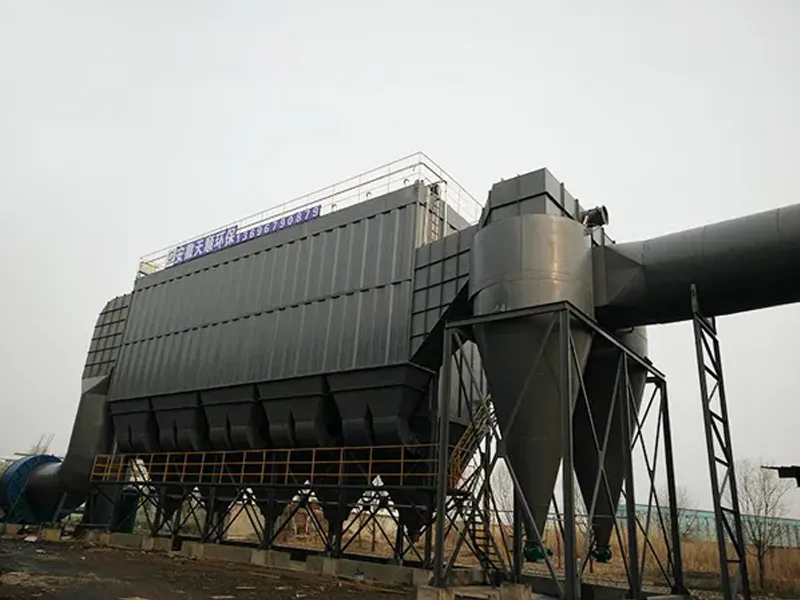
When smelting industrial silicon or ferrosilicon, silicon furnaces produce a large amount of high-temperature dust (temperatures can reach 300-500°C), the main components of which are SiO₂ and metal oxides. The dust removal system must be able to withstand high temperatures and have high-efficiency filtration capabilities, and is usually composed of the following components:
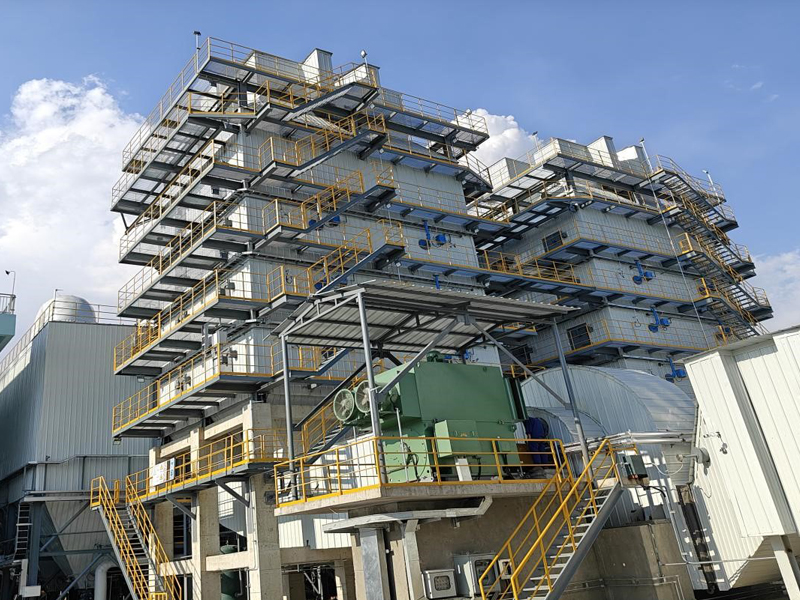
Air cooler: reduces the temperature of flue gas to below 200℃ through natural cooling.
Cyclone Separator: Serves as primary dust removal equipment, utilizing centrifugal force to separate large dust particles (>10μm), achieving an efficiency of approximately 70-80%. Its inlet air velocity should be controlled at 15-20m/s (refer to the Industrial Ventilation Design Manual). Excessively high air velocity can lead to secondary dust collection.
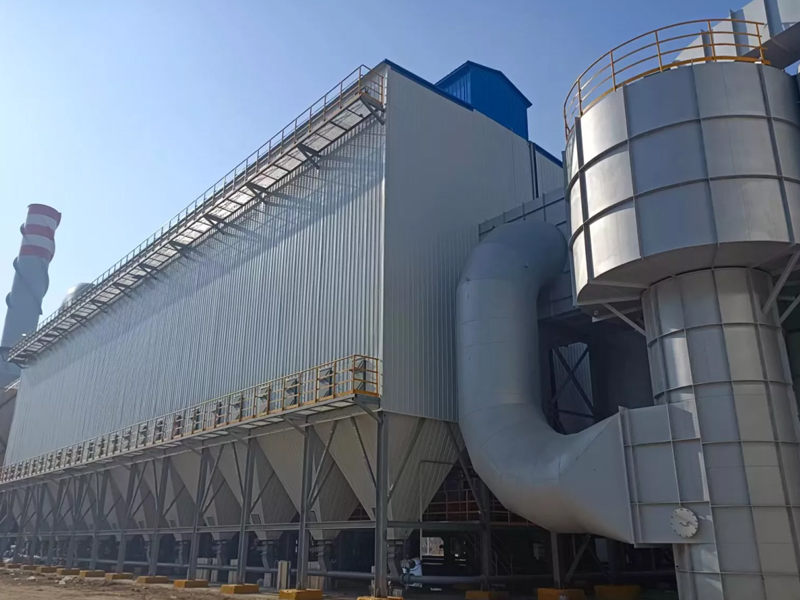
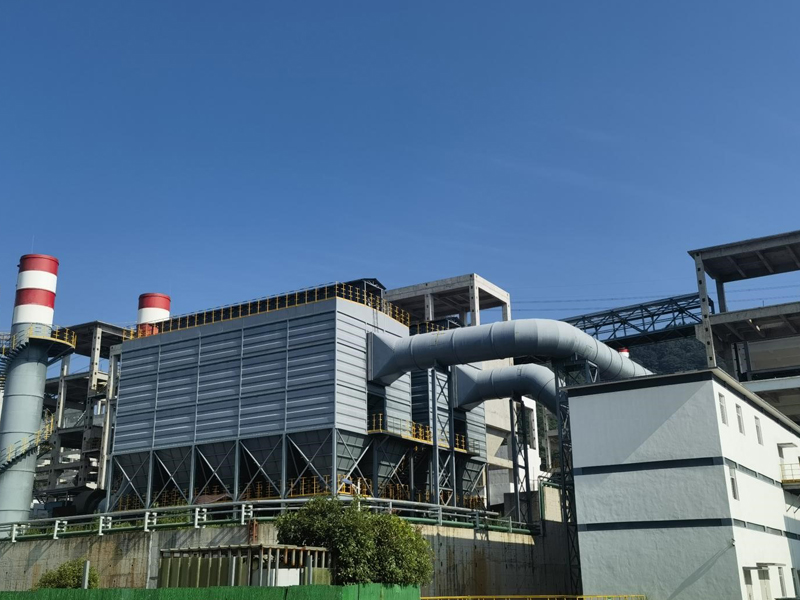
Bag Dust Collector: Utilizes high-temperature-resistant filter media (such as PTFE-coated filter bags) to filter fine particles (<2.5μm). The filter bag life is typically 2-3 years, with a dust removal efficiency of ≥99.5%. Key parameters include filtration air velocity (0.8-1.2m/min) and differential pressure (<1500Pa).
1. Dust Collection Stage: After exiting the silicon furnace, the high-temperature flue gas is first cooled to below 200°C by a cooling device (such as air cooling or spray cooling) to prevent damage to the filter bags.
2. Multi-stage Separation Process:
Primary Separation: A cyclone separator removes large particles, reducing subsequent load.
Secondary Separation: A bag filter captures remaining dust, typically using pulsed jet cleaning (pressure 0.4-0.6 MPa, intervals 30-60 seconds).
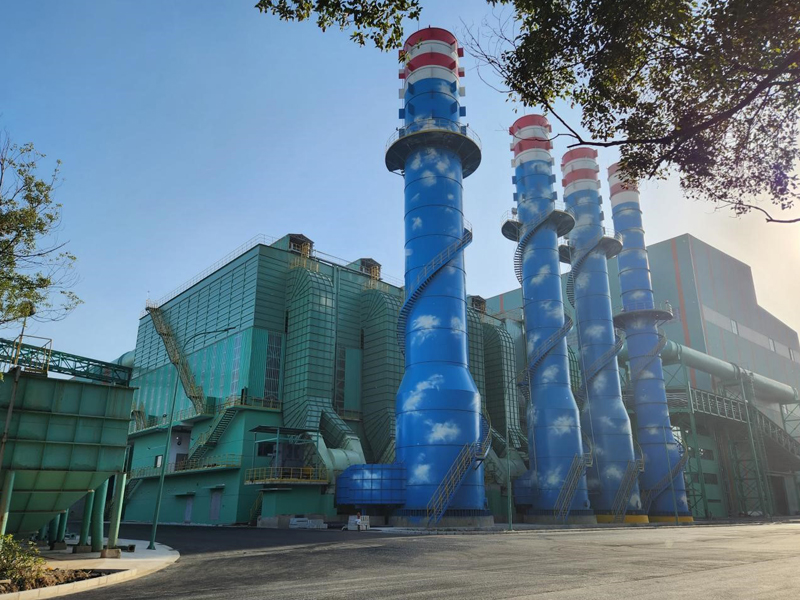
3. Emission Control: The purified gas is discharged through a chimney, with a particulate matter concentration of ≤10 mg/m³ (in compliance with GB 28665-2012).
Contact With Us:
E-mail: tshb@environtechts.com
Have a Questions? Call Us:
Add:
Hanshan Industrial Park, Lintou Town, Hanshan County, Ma'anshan City, Anhui Province, China.
Please contact Tianshun for your air pollution control equipment solutions!